


What if your child could train their brain from the comfort of home—and start building emotional regulation skills without meds or endless therapy? At-home neurofeedback can create lasting brain change.
If your child’s behavior feels dysregulated, confusing, or hard to support—you are not alone. Many parents feel like they’ve tried everything and still aren’t getting to the root of what’s really going on.
Maybe you’ve tried therapy, school accommodations, even diet changes… but meltdowns, impulsivity, and focus issues still seem to rule your family’s daily life. It’s frustrating, exhausting, and—let’s be honest—sometimes heartbreaking.
That’s why more parents are turning to at-home neurofeedback, a powerful, science-backed tool that helps calm the brain and improve emotional and behavioral regulation from the inside out.
In this guide, we’ll explore what at-home neurofeedback is, how it works, and how to know if it’s right for your child. You’ll also get practical answers to your top questions, real parent stories, expert insight, and next steps so you can start feeling hopeful again.
What is At-Home Neurofeedback?
You’ve tried the behavior charts, the therapy sessions, maybe even medication—but your child is still struggling.
The outbursts, anxiety, and focus issues just won’t let up.
That’s where at-home neurofeedback comes in—a powerful, science-backed way to help your child’s brain retrain itself from the inside out.
This isn’t just another therapy or parenting technique. It’s a natural, drug-free tool that teaches the brain to self-regulate. And the best part? You can do it right from your living room.
How It Works:
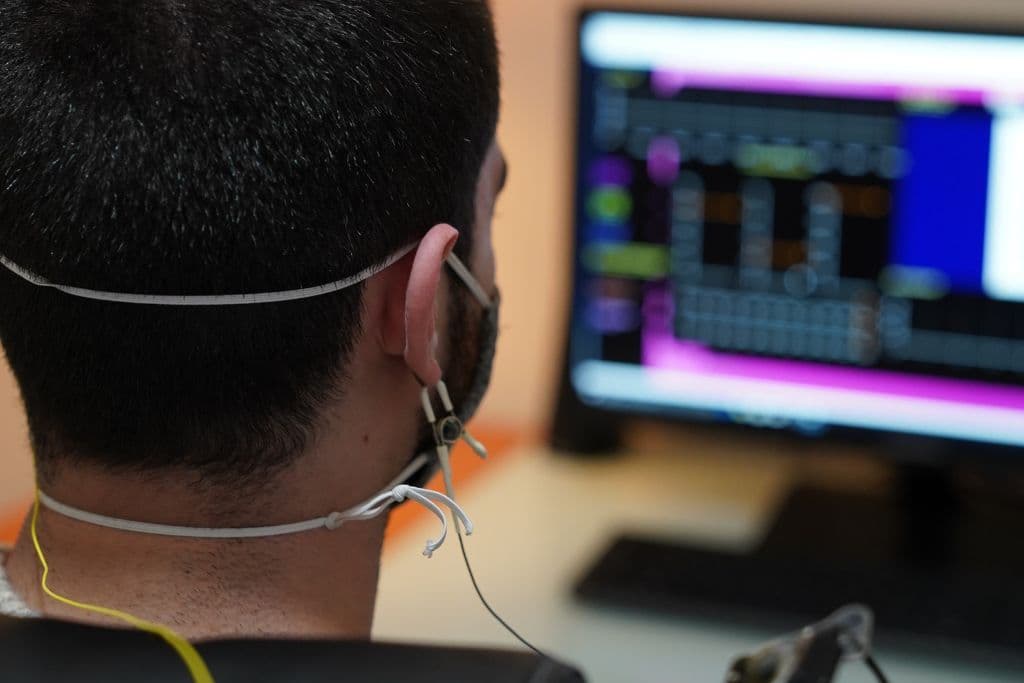
- A small headset measures brainwave activity in real time.
- When your child’s brain produces healthier patterns, they get positive feedback—often through a video or game.
- Over time, the brain learns to shift out of stress mode and into calm, focused states.
Think of it like a workout for your child’s brain—but instead of building muscle, you’re building emotional regulation and mental flexibility.
Types of Neurofeedback: At-Home vs. In-Center vs. Simple Device
Feature At-Home Neurofeedback (with provider support)In-Center Neurofeedback Simple Device Neurofeedback (no provider oversight)Guidance & Supervision Remote monitoring by licensed provider On-site technician or clinician None or basic app instructions
Custom Protocols Yes – based on QEEG brain map and symptoms Yes – based on in-office assessment No – one-size-fits-all settings
Training Flexibility Very flexible – home-based Requires travel and appointments Home-based, but less structured
Effectiveness High – personalized and consistent High – but harder to stay consistent Low to moderate – lacks precision
Best For Families wanting results with expert support Families near a clinic with availability Mild symptoms or stress—not clinical issues
Family Use Yes – children, parents, and siblings Typically one individual at a time Yes – but not monitored or regulated
How Does At-Home Neurofeedback Work?
At-home neurofeedback works by using a portable EEG headset and training software—with the guidance of a professional. A licensed professional sets your child’s protocol based on their QEEG brain map, symptoms, and developmental profile.
Then you log into sessions, usually 2–3 times a week, depending on your child’s needs and schedule.
Parents typically receive setup support and coaching to ensure the system is used correctly and consistently. Sessions are short, structured, and easy to complete at home, making it a realistic long-term solution even for busy families.
Many programs include symptom tracking or progress check-ins, which help you see changes over time—like improved mood, focus, or emotional flexibility—so you know it’s working.
Key Steps:
- Brain Map: A QEEG shows what areas of the brain are dysregulated.
- Custom Protocol: A provider creates a personalized training plan.
- Regular Sessions: Short sessions (20–30 minutes) at home using a device and app.
- Progress Monitoring: Adjustments are made based on behavior and symptom changes.
Julia, mom to 11-year-old Jackson who struggled with his focus and rage episodes, had tried therapy, accommodations, and supplements—nothing seemed to stick. After just 4 weeks of at-home neurofeedback, Jackson was more emotionally steady, sleeping better, and getting fewer calls from school. Julia said, “It feels like we finally have a window into what’s really going on in his brain—and a tool that actually helps. The system gave us real data, and the games made it easy for him to stay engaged.”
Neurofeedback and Behavior Clues and What They Tell Us About Brain Function
Behavioral Clue Possible Brain Pattern What Neurofeedback TrainsEasily distracted, can’t stay focused Underactive frontal lobes (low beta waves)Improve sustained attention and executive function Explosive reactions or rages Limbic system overactivation (high beta)Train calm, flexible regulation patterns Zoned out, spacey, daydreamy Excess theta or delta activity Increase alertness and cortical arousal Can’t transition or tolerate change Cognitive rigidity or overconnectivity Promote neural flexibility and adaptability Sleep struggles Imbalanced alpha/delta patterns Reinforce healthy sleep wave patterns
How behavior is communication—and how neurofeedback helps retrain the brain at the source.
Who Can Benefit From At-Home Neurofeedback?
If you or your child struggles with attention, behavior, mood, or stress responses, at-home neurofeedback may help. Neurofeedback helps the brain build new neural pathways through a process called operant conditioning, where the brain is gently guided to produce more regulated patterns.
This improves the brain’s flexibility and resilience, which means kids can recover from stress faster and stay more emotionally balanced throughout the day. It’s especially valuable for children who haven’t responded to traditional therapy or medications—or for families seeking a more natural, brain-based solution.
Neurofeedback at Home Can be Especially Helpful for:
- Kids with ADHD, OCD, anxiety, or mood issues
- Children with PANS/PANDAS or Autism Spectrum Disorder
- Highly sensitive kids who get overwhelmed easily
- Kids who haven’t responded to other interventions
- Children with sleep challenges or frequent nightmares
- Kids who have experienced trauma or chronic stress
- Children who struggle with behavioral outbursts or shutdowns
Is At-Home Neurofeedback Safe for Kids?
Yes. When supervised by a trained professional, it is extremely safe. There are no shocks, invasiveness, or medications involved—just feedback and learning that helps the brain regulate itself. Side effects are rare and usually mild, such as temporary tiredness, vivid dreams, or mild irritability, which typically resolve quickly as the brain adapts.
Research supports its safety across age groups. Studies have shown that neurofeedback is a low-risk, non-invasive technique with very few adverse effects. In fact, it’s often used as a first-line approach for children with conditions like ADHD, anxiety, and seizures because it helps improve regulation without medication. According to a 2017 meta-analysis in the journal European Child & Adolescent Psychiatry, neurofeedback was found to be a “promising clinical intervention” for ADHD with durable effects that persist even after treatment ends.
Expert Quote:
“Neurofeedback is one of the safest and most effective tools for children with neurodevelopmental and emotional issues.”
– Dr. Bessel van der Kolk, author of The Body Keeps the Score
How Neurofeedback Compares to Other Common Interventions
Approach What It Targets Active vs. Passive Teaches Self-Regulation? Requires Ongoing Use? Neurofeedback Brain wave patterns Passive with active results ✅ Yes ❌ Not always
Medication Neurochemistry Passive ❌ No ✅ Usually
Talk Therapy Thoughts, emotions, behaviors Active ✅ Sometimes ✅ Often
Behavior Charts / Rewards External behaviors Active-external ❌ No ✅ Often
Not all interventions teach the brain how to regulate itself—neurofeedback does.
What Conditions Does Neurofeedback Help With?
Neurofeedback doesn’t just mask symptoms—it helps the brain function better by increasing its ability to self-regulate. That’s why it’s effective across a wide range of clinical issues that stem from nervous system dysregulation.
Each brain is different, and neurofeedback works by identifying which areas are overactive or underactive—then gently guiding the brain back to balance through repetition and reinforcement.
Neurofeedback supports a range of issues by targeting brain dysregulation. By using real-time brainwave monitoring and reinforcement, it helps improve the communication between different regions of the brain, allowing for more balanced responses to stress, attention demands, and emotional triggers.
Here’s how neurofeedback supports specific clinical conditions:—it helps the brain function better by increasing its ability to self-regulate. That’s why it’s effective across a wide range of clinical issues that stem from nervous system dysregulation.
How Neurofeedback Helps the Brain by Clinical Area:
Clinical Area Neurofeedback’s Impact on the Brain ADHD &
Executive Functioning Trains brainwave patterns linked to sustained attention and impulse control, improving focus and mental flexibility.
Anxiety Helps reduce overactive fear and worry circuits by training calming, alpha wave states.
OCD & Rigid Thinking Reduces overconnectivity in stuck thought loops, promoting cognitive flexibility and emotional control.
PANS/PANDAS Calms inflammation-triggered brain reactivity and improves emotional regulation during flare-ups.
Autism Spectrum Disorder Enhances regulation in sensory processing and social-emotional regions of the brain.
Tics & Tourette Syndrome Balances brain activity in motor regions to reduce involuntary movements.
Sleep Disorders Trains the brain to shift into slower wave states, improving sleep onset and quality.
Mood Disorders (Depression, Irritability) Increases activation in areas responsible for motivation, positivity, and emotional stability.
How is At-Home Neurofeedback Different From In-Clinic?
While both at-home and in-clinic neurofeedback are grounded in the same science, the delivery models differ in accessibility, supervision, and family involvement.
At-home neurofeedback offers the convenience of training on your own schedule, which makes consistency easier—an essential factor in brain change. With remote guidance from a licensed provider, parents receive expert oversight without weekly trips to an office.
In-clinic neurofeedback may be ideal for families needing intensive hands-on support or who prefer face-to-face interaction with clinicians. However, it can be less accessible due to time, cost, and location.
My clients fly in from all over the world to work with me, because they want real answers—not just another temporary fix. They come for my in-depth brain mapping and expert care, and then return home to continue their neurofeedback program with confidence. They love knowing they can get world-class support and enjoy all the benefits of neurofeedback right from the comfort of their home.
What makes at-home neurofeedback especially powerful is that multiple family members can use it, making it not just a child intervention—but a full-family regulation tool that supports everyone’s mental wellness.

What Equipment Do You Need for Neurofeedback at Home?
When families join our , they’re often amazed by how simple and supportive the process really is. From day one, we walk you through the setup and give you everything you need—including equipment, training, and ongoing expert support.
Our goal is to make this experience seamless, so your child (and even other family members) can start brain training right away, with confidence. We take the guesswork out of the process, so you can focus on what matters most—helping your child feel and function better.
Many parents are surprised by how easy and accessible it is to create a calming, therapeutic space for brain training—even in a busy household. by how easy and accessible it is to create a calming, therapeutic space for brain training—even in a busy household.
As part of our our approach® Program, we make it easy for families to succeed with at-home neurofeedback by providing everything you need:
- A neurofeedback device (EEG headset)
- A tablet or laptop loaded with the software
- Step-by-step coaching and regular support from our expert team
You’ll also need to:
- Have internet access for weekly provider check-ins
- Commit to doing sessions two to three times per week
- Create a quiet space for your child to train in
- Be open to making small, supportive lifestyle shifts that improve brain outcomes
Our families appreciate that we remove the guesswork and walk you through each step, so you feel confident and supported throughout your child’s brain training journey—from day one to lasting results.
What Kind of Results Should I Expect from Neurofeedback?
Every parent wants to know: will this really help my child? The good news is that when used consistently and correctly with a licensed professional at-home neurofeedback can create noticeable, lasting change. While every child’s brain is different, the majority of families in our our approach® Program begin to see progress within just a few weeks—especially in emotional regulation, focus, and stress recovery.
Results vary—but most parents see:
- Fewer meltdowns
- Improved focus and behavior
- Better emotional regulation
- Calmer sleep and mornings
- Increased resilience to stress
Client story: Tina noticed her daughter Ava, who has PANS and sensory issues, stopped hiding under the table during math lessons after just a few weeks. “It was like her brain finally stopped screaming,” she said.
How Often Should My Child Use Neurofeedback?
One of the most common questions parents ask is how often their child should use neurofeedback to see results. In our our approach® Program, we emphasize consistency—because that’s where the real brain change happens. The brain learns through repetition, so regular sessions are essential to help your child shift out of dysregulation and build new, healthier patterns.
Recommended schedule:
- 2–3 sessions per week
- Duration: 20–30 minutes
- Total length: 6 months for lasting change
It’s flexible—you can train before school, after dinner, or before homework.
How Do I Know If Neurofeedback Working?
One of the most rewarding parts of our our approach® Program is watching families begin to see real, meaningful changes in their child—and often in themselves too. While neurofeedback isn’t a quick fix, it works by gradually retraining the brain to shift out of dysregulation and into a more balanced state. The changes are subtle at first, then build over time.
Watch for:
- Decreased irritability
- Shorter recovery after stress
- More cooperative mornings
- Better school focus or grades
We track behavior changes every few weeks—because behavior is communication, and we want to see that brain calming in real life.
Neurofeedback Timeline – What to Typically Expect Month by Month
Timeframe What’s Happening in the Brain What Parents Often NoticeWeeks 1–4Brain starts learning new patterns through real-time feedback Slight mood improvement, reduced meltdowns Weeks 5–8Strengthening of neural connections and better communication Calmer mornings, easier transitions Weeks 9–12Patterns of regulation begin to solidify and generalize Fewer school calls, improved focus and flexibility Months 4–6Gains deepen, regulation becomes more consistent and long-lasting Sustained emotional control and resilience
Neurofeedback builds layer by layer—calm and regulation take time, but the changes last.
Can Parents or Siblings Use At-Home Neurofeedback Too?
Yes! Parents often benefit—especially those experiencing stress, anxiety, or emotional burnout. Many of our families in our program are surprised to find that they feel calmer, sleep better, and have more patience when they use neurofeedback themselves. When we help parents regulate, we support the entire family’s emotional ecosystem.
Benefits for family members:
- Improved stress response
- Better sleep
- More patience and calm
- Increased emotional awareness and regulation
- Greater resilience during daily stressors
- Enhanced ability to model calm behavior for kids
- More connected family dynamics
Dr. Roseann says: “When we calm the brain, the whole family benefits.”
How Do I Get Started With At-Home Neurofeedback?
The first step in our our approach® Program is a QEEG brain map—and it’s unlike anything most parents have ever experienced. Our brain mapping process doesn’t just look at brain activity—it helps pinpoint exactly which areas are dysregulated and why your child is struggling with focus, behavior, or emotions.
What makes our approach unique is that Dr. Roseann is a master at connecting the brain to behavior. She doesn’t just hand you a report—she walks you through what the data means in real life, so you can understand your child in a completely new way. Using that insight, she collaborates with you to develop a customized plan that supports your child’s regulation, learning, and emotional growth.
We combine this data with a deep clinical intake, parent input, and symptom history to get a true 360-degree view of your child’s brain functioning. From there, we design a completely personalized neurofeedback protocol tailored to your child’s unique brain patterns and needs.
This isn’t a cookie-cutter program—it’s a research-backed, high-touch clinical experience that guides you and your child every step of the way. You’ll receive expert oversight, ongoing coaching, and support so you never feel alone.
Families around the world choose this program because it blends the best of science, compassion, and convenience—bringing calm to your child’s brain and your entire home.

Your Next Steps with At-Home Neurofeedback
When the brain is calm, everything changes.
At-home neurofeedback gives families a powerful, natural, science-backed way to support emotional and behavioral regulation—right from home.
I know just how hard it is to get the right help. With the right expert by your side, you don’t have to keep guessing what your child needs or feel stuck in a cycle of trial and error.
Dr. Roseann has helped thousands of families get to the root of their child’s struggles with her proven our approach approach—and now it’s your turn.
Take our Solution Matcher™ to discover the best next step for your child’s brain and behavior: drroseann.com/help
Whether your child is dealing with anxiety, ADHD, OCD, PANS/PANDAS, or mood and behavior issues, this is your roadmap to a calmer brain and a more connected family.

Frequently Asked Questions About At-Home Neurofeedback (FAQs)
Is your program fully remote?
Most come the first time for an in-person brain map but some get it done local to them. The rest of the program is fully virtual and you can use our equipment from the comfort of your home with our coaching support.
What is the best type of Neurofeedback?
We use EEG Neurofeedback and find it to be the best for dysregulated brains.
What age is best for neurofeedback?
Neurofeedback is safe for kids as young as 3 or 4, depending on the provider.
Does insurance cover at-home neurofeedback?
Usually not, but some HSA/FSA plans may reimburse.
What if my child won’t sit still?
Sessions are passive—kids can watch a movie or play a game.
Can neurofeedback replace medication?
Many families reduce or avoid meds, but this should be guided by a medical professional.
What happens if we miss a session?
That’s okay—just pick back up. Consistency matters more than perfection.
How long do results last?
Results from full protocols are typically long-lasting, because the brain learns new patterns.
Is at-home neurofeedback just as good?
Yes—especially with licensed oversight and consistency.
Is it hard to use?
No. Most systems are user-friendly and come with support. Our team walks you through how to use the equipment and are there to guide you through our program.
.png)
Many parents discover these strategies through The Dysregulated Kid, where Dr. Roseann shares decades of clinical experience translated into practical tools for families.
Always remember… “Calm Brain, Happy Family™”
Disclaimer: This article is not intended to give health advice and it is recommended to consult with a physician before beginning any new wellness regime. The effectiveness of diagnosis and treatment vary by patient and condition. Dr. Roseann Capanna-Hodge, LLC does not guarantee certain results.
Are you looking for SOLUTIONS for your struggling child or teen?
Dr. Roseann and her team are all about science-backed solutions, so you are in the right place!
Meet the Expert
Licensed Therapist | Certified School Psychologist
Board Certified in Neurofeedback (BCN) | 30+ Years Clinical Experience
Expert in Emotional Dysregulation in Children and Nervous System Regulation
Host, Dysregulated Kids Podcast | Author, The Dysregulated Kid
Dr. Roseann Capanna-Hodge is a licensed therapist, certified school psychologist, and leading expert in emotional dysregulation in children and nervous system regulation. With over 30 years of clinical experience and having analyzed more than 10,000 brain maps, she helps families understand what behavior is really signaling—and how to calm the nervous system first so real change can happen.
She is the creator of Regulation First Parenting® and the CALMS Protocol™, host of the top 1% podcast Dysregulated Kids, and author of The Dysregulated Kid.