%20.png)



Estimated reading time: 7 minutes
As a therapist and mom, I know how tough it is to see your child overwhelmed by big emotions. Whether your little one melts down over Legos or struggles to find calm after a tough day in school, helping them build emotional intelligence can allow them to self-regulate and handle stress on their own, in the long run.
The good news? You can teach them to manage those feelings with simple, proven tools, even at home!
Self regulation and emotional intelligence develop when children learn to manage their physiological responses through consistent support, modeling, and skill-building—not through pressure or punishment. These skills rely on a regulated nervous system, which is why strengthening nervous system regulation in children is essential for emotional awareness and self-control to take hold.
These skills are teachable with the right approach and consistency.
What You’ll Learn:
- How self regulation and emotional intelligence are built through brain-body connection
- Why regulation is the foundation for emotional and social success
- Practical strategies to strengthen these skills in everyday moments
What is self-regulation, and why does it matter for kids?
Self-regulation is how your child manages their emotions, thoughts, and behaviors in ways that support positive interactions with others. It's not about suppressing feelings, but about learning to respond to them in a healthy and constructive way.
Why it matters:
- Improves focus and learning
- Enhances social relationships
- Reduces behavioral issues
- Builds resilience to stress
Example: A child who can pause and take a deep breath instead of hitting when frustrated is demonstrating self-regulation.
How does Emotional Intelligence help children thrive?
Emotional intelligence is the ability for children to recognize their own feelings, understand how those feelings affect their behavior, and respond to others with kindness and empathy.
High Emotional intelligence in children leads to:
- Better academic performance
- Improved mental health
- Stronger friendships
- Effective conflict resolution skills
Example: A child who notices a friend is sad and offers comfort is using emotional intelligence.
What are the signs of self-regulation and emotional intelligence difficulties in children?
Signs your child is struggling with dysregulation:
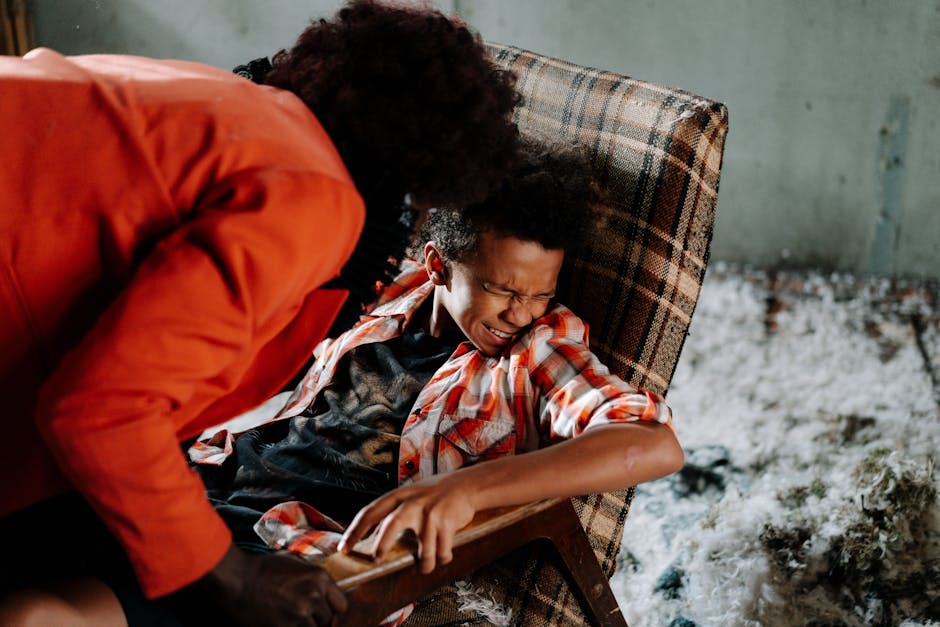
- Frequent tantrums or outbursts
- Difficulty calming down
- Overreaction to minor frustrations
- Withdrawal or avoidance behaviors
- Disorganizations
- Difficulty with transitions
- Poor time management
- Restlessness and hyperactivity
Want more tools to help your child regulate their emotions?
How can parents teach self-regulation and emotional intelligence at home?
Parents play a crucial role in teaching self-regulation through modeling and guidance. Strategies include:
- Establish routines: Consistent schedules provide a sense of security.
- Teach coping skills: Deep breathing, counting, or using a calm-down space.
- Use visual aids: Emotion charts help children identify feelings.
- Positive reinforcement: Praise efforts to manage emotions.
- Expressing emotions appropriately: Share feelings calmly and constructively.
- Practicing empathy: Show understanding of others' emotions.
- Demonstrating coping strategies: Use techniques like deep breathing in stressful situations.
| Age Group | Example Strategy |
|---|---|
| Toddlers | Emotion picture cards, sensory play |
| Early Elementary | Breathing exercises, emotion charts |
| Tweens | Journaling, cognitive reappraisal |
| Teens | Guided meditation, peer support talks |
What tools can support emotional regulation in kids?
Several resources can aid in developing self-regulation:
- Emotion charts: Visual aids to identify and express feelings.
- Calm-down kits: Include items like stress balls, fidget toys, or soothing music.
- Books and stories: Stories that discuss emotions and coping strategies.
- Apps: Mindfulness and meditation apps designed for children.
Example: The "QuickCalm™ Toolkit " offers structured activities to teach emotional regulation at home, in less than 7 days

When should I seek professional help for my child?
Here are signs it’s time to connect with a professional:
- Emotional outbursts that are frequent or extreme
- Difficulty calming down even with support
- Persistent anxiety, sadness, or irritability
- Trouble making or keeping friends
- Ongoing problems with sleep, eating, or school refusal
- Self-harming behaviors or talk of hopelessness
👉 Let’s calm the brain first. When regulation improves, everything else gets easier.
Parent Action Steps:
☐ Plan One Weekly “Regulation Reset” Activity
☐ Identify Overstimulating and Understimulating Areas in Your Home
☐ Start a Journal to Record Your Child’s Triggers
☐ Find the Right Support.
☐ Take the Solution Matcher Quiz to get personalized tools for your child’s needs
☐ Get Access to the Dysregulation Solution – a comprehensive blueprint for calming your child’s brain using science-backed strategies, personal coaching, and a supportive community
FAQs
When should I start teaching my child self-regulation?
You can start teaching self-regulation in early childhood—even toddlers can learn self-regulation through co-regulation, routines, and simple calming strategies. The earlier you begin teaching self-regulation, the stronger your child’s foundation will be.
How long does it take for kids to learn self-regulation?
Learning self-regulation takes time, but many families see small improvements within weeks and bigger gains in emotional regulation over time. Building self-regulation skills is a gradual process, not an overnight fix.
Can kids with ADHD or autism learn self-regulation?
Yes, kids with ADHD or autism can learn self-regulation, though they often need more modeling, repetition, and support. Teaching self-regulation to neurodivergent children works best when you start with co-regulation and structured strategies.
What’s the difference between emotional intelligence and emotional regulation?
Emotional intelligence means understanding emotions, while emotional regulation means managing emotions in a healthy way. Teaching emotional intelligence and emotional regulation together helps kids build both awareness and control.
Is emotional dysregulation a mental health disorder?
Emotional dysregulation is not a mental health disorder on its own, but it often shows up with ADHD, anxiety, OCD, autism, and PANS/PANDAS. Supporting emotional dysregulation starts with calming the nervous system and building regulation skills.
How can I teach my child self-regulation at home?
You can teach your child self-regulation at home by modeling calm behavior, using co-regulation, and creating simple, predictable routines. Consistent support is one of the most effective ways to teach self-regulation.
What are signs my child struggles with self-regulation?
Signs your child struggles with self-regulation include frequent meltdowns, impulsive behavior, difficulty calming down, and big emotional reactions. Noticing signs of self-regulation challenges helps you respond with support instead of punishment.
How do I teach my child emotional intelligence in everyday life?
You can teach your child emotional intelligence by naming feelings, validating emotions, and modeling healthy ways to express them. Everyday situations are powerful chances to build emotional intelligence skills.
Citations:
Eisenberg, N., Spinrad, T. L., & Eggum, N. D. (2010). Emotion-related self-regulation and its relation to children's maladjustment. Annual Review of Clinical Psychology, 6, 495–525. https://doi.org/10.1146/annurev.clinpsy.121208.131208PMC
Dennis, T. A., & Hajcak, G. (2009). The development of cognitive reappraisal: An ERP study of children, adolescents, and young adults. Developmental Cognitive Neuroscience, 1(3), 352–362. https://doi.org/10.1016/j.dcn.2011.06.002PMC+1andl.wjh.harvard.edu+1
Capanna-Hodge, R. (2023). Self-regulation and emotional intelligence. Dr. Roseann. https://drroseann.com/self-regulation-and-emotional-intelligence/
Dr. Roseann Capanna-Hodge is a licensed mental health expert that is frequently cited in the media:
- CBS2 New York (Article) Experts Offer Tips On How To Help Children Deal With Anxiety.
- Parade Want to Know How to Overcome Social Anxiety? We've got Help!.
Are you looking for SOLUTIONS for your struggling child or teen?
Dr. Roseann and her team are all about science-backed solutions, so you are in the right place!
Grab your complimentary copy of
©Roseann Capanna-Hodge