
%20.png)


Contents
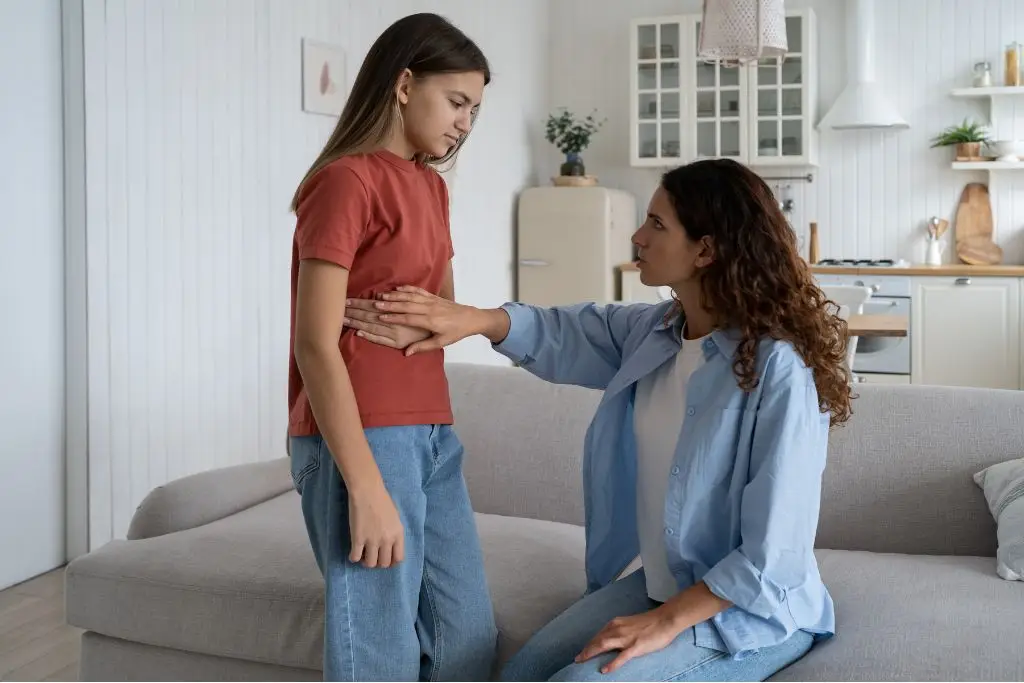
It can be heartbreaking to see your child in pain, especially when it seems to stem from emotional distress. When your child complains of stomach pain daily, it might just be that their discomfort could be more than just the usual children's tummy ache. It could be from worry, fear or upset.For many of the parents that I work with, it is often a surprise for parents that anxiety and stress are the common culprits behind their children's gastro-intestinal distress.But what does anxiety stomach pain feel or look like? For children, it can manifest as a sharp, cramping pain, a persistent ache, or even a sensation of butterflies. You can see a variety of gastrointestinal symptoms but what is different, is that they are fueled by worry.Anxiety stomach pain often coincides with moments or prolonged periods of stress or nervousness, resulting in what’s commonly known as a nervous stomach.Children might describe their anxiety abdominal pain in various ways, often saying their tummy hurts, they feel sick or they have a knot in their stomach. Some kids might even experience stress-induced diarrhea, have loose stools or constipation from stress. Many of the children or teens I work with often experience a higher rate of gastrointestinal symptoms the night before or the morning of school because they have school anxiety.
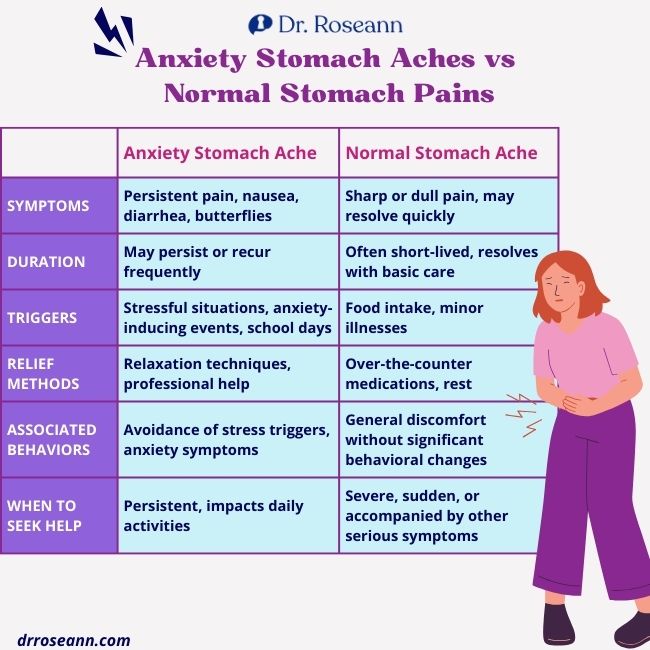
How to Recognize the Signs of Anxiety Stomach Ache
Anxiety can be elusive and might not always present in ways you’d expect. Look out for the following nervous stomach symptoms:
- Frequent Stomach Cramps: Children might often complain about sudden, sharp pains or ongoing stomach cramps.
- Persistent Tummy Ache: If your child mentions a tummy ache that doesn't seem to go away, it could be linked to anxiety.
- Abdominal Pain with Stress: Notice if your child’s abdominal pain increases during stressful situations or after a distressing event.
- Stress Belly Pain: This is a common term children use to describe the sensation of knots or tightness in the stomach due to stress.
- Frequent Visits to the Bathroom: Anxiety can sometimes cause stress-induced diarrhea, leading to more frequent bathroom visits.
- Loss of Appetite or Eating Issues: Children with anxiety might show disinterest in food or complain of stomach pain every time they eat.
- Generalized Stomach Pain: Your child might frequently mention that their stomach hurts from anxiety without a clear medical cause.
- Nausea and Vomiting: Anxiety can cause feelings of nausea or actual vomiting, often linked to anxiety or severe stress.
- Complaints of Stomach Pain During School or Social Events: If your child often complains of an upset stomach before school or social activities, it could be anxiety-related.
- Fatigue and Lack of Energy: Anxiety can drain a child’s energy, making them feel tired with worsening feelings of anxiety and stomach problems.
Can Stress Cause a Child's Stomach Pain?
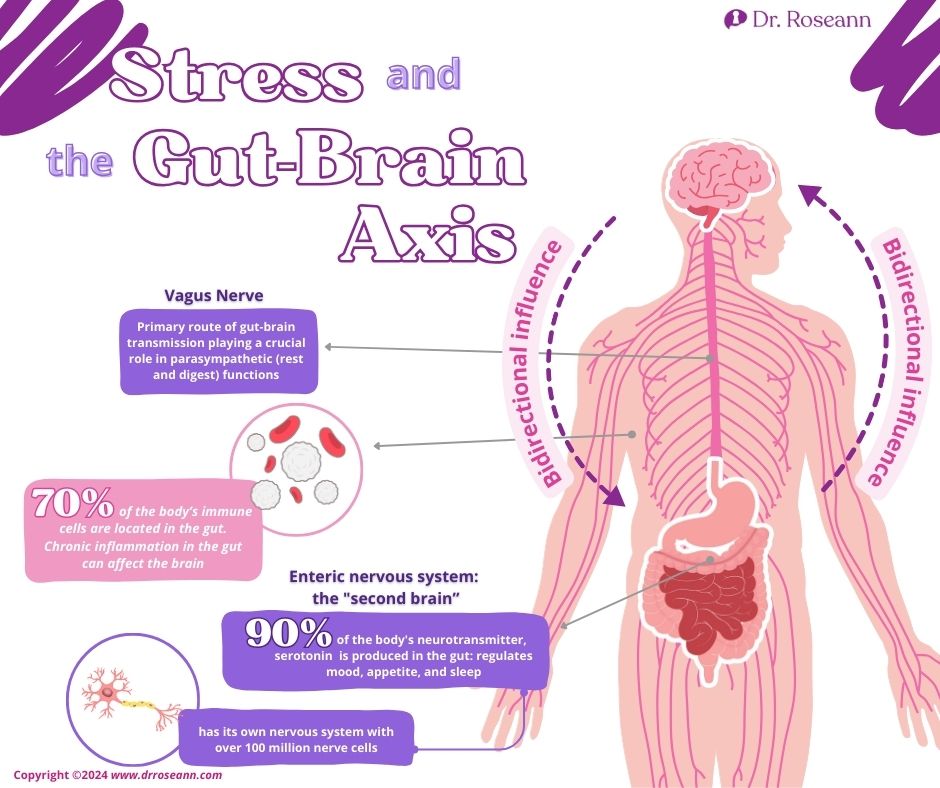
Yes, and it’s a frequent complaint among children experiencing anxiety. A child's stomach pain and stress go hand in hand, as emotional distress often impacts the digestive system. It leads to issues alternately called stress stomach pain, stress stomach ache, or stress abdominal pain.When dealing with stomach pain in children, it’s crucial to consult with a healthcare provider to rule out any severe medical conditions. Symptoms that warrant immediate attention include but aren’t limited to severe pain, vomiting, weight loss, blood in stool, headaches, and so on.Stress is like an alarm system in your body. It helps you deal with threats, but it can also mess with your stomach and intestines. Your brain and gut are connected by nerves, creating a communication network called the brain-gut axis. When you're stressed, the brain sends signals to the gut, which can cause stomach issues.The gut-brain connection explains how your child's emotions can affect their digestive health. Essentially, the gut has its own nervous system, often called the "second brain," which influences mood and is directly linked to the brain via the vagus nerve. When your child feels anxious, it can trigger stomach aches and other gastrointestinal symptoms.The brain has a special system for handling stress, involving parts like the hypothalamus and amygdala. This system controls how your body reacts to stress, affecting pain and digestion. When stress lasts a long time, it can change how your body responds to it.A key chemical in this process is called corticotropin-releasing factor (CRF). CRF affects how your intestines move and how fast your stomach empties. Studies are being conducted to find ways to block CRF to help with stress-related stomach problems (Bhatia & Tandon, 2005).Stress can also make your intestines more sensitive and increase the risk of inflammation. It affects how your body absorbs water and nutrients, making you more likely to get certain gut diseases.
How To Help a Child With Anxiety Stomach Aches
Addressing this anxiety requires understanding, patience, and effective strategies. Here are some practical steps to help your child manage and alleviate their anxiety-related stomach pain.
1. Understand the Root Cause
Discuss with your child what might be troubling them. Identifying the source of their anxiety can be the first step towards alleviating their anxiety and stomach issues. It is important to note that what most of my patients experience is a stress activated nervous system due to compounded stress.
2. Establish a Routine
A consistent routine can provide security and help reduce stress and stomach pain. Regular meals, sleep, and activities can create a stable environment.
3. Promote Relaxation Techniques
Teach your child deep breathing exercises, meditation, daily use of PEMF or gentle yoga to help calm their stomach anxiety. These techniques can be effective in reducing anxiety and tummy pain.
4. Diet and Hydration
Ensure your child is eating a balanced diet and staying hydrated. Avoid caffeine and sugary foods that can exacerbate anxiety and stomach ache problems.
5. Seek Professional Help
If the stomach pain from stress persists after medical sources have been ruled out, consider consulting a mental health professional specializing in children. They can provide coping strategies and therapeutic interventions.
Natural Remedies for Anxiety Stomach Aches
For immediate relief from anxiety and tummy aches using natural remedies, try the following:
- Ginger or peppermint tea can soothe an anxious feeling in the stomach.
- Using essential oils can calm the body
- Warm baths or heating pads can relax tense muscles and ease stomach anxiety symptoms.
- Encourage gentle physical activity, which can help reduce stress and tummy ache.
- PEMF helps to calm the stress within the body and supports a parasympathetic response
Understanding and addressing your child's anxiety and stomach pain can significantly improve their quality of life. Be patient and compassionate, as managing anxiety and abdominal pain takes time. Provide support and create a safe, nurturing environment to help your child overcome their stress-related stomach pain and thrive.Remember, if your child frequently experiences stomach pain in kids, it’s always a good idea to consult with a healthcare provider to ensure there are no underlying medical issues but stress should always be considered.You can help your child navigate their anxiety and lead a happier, healthier life with the right approach. It is also important to teach coping skills.Looking for lasting solutions and the right path to help your child with worry, fearfulness, and anxiety that is holding them back? That is exactly why I created this parent resource filled with therapist techniques and guidance on natural solutions that calm the brain and support anxiety. You can download this resource right now! Natural Anxiety Relief Kit.
To learn more about how Dr. Roseann Capanna-Hodge gives parents the path to family and child mental wellness, listen to Dr. Roseann’s podcast, Gonna be OK!™: Science-Backed Solutions for Children’s Behavior and Mental Health. Frequently Asked Questions
What does anxiety stomach pain feel like?
Anxiety stomach pain often feels like sharp cramps, persistent aching, or a sensation of butterflies in the stomach. It can vary in intensity and duration depending on the level of anxiety.
Can stress cause stomach pain in children?
Yes, stress can cause stomach pain in children. Emotional distress often impacts the digestive system, leading to discomfort and pain.
How can I recognize nervous stomach symptoms in my child?
Nervous stomach symptoms in children include frequent stomach cramps, persistent tummy aches, and increased abdominal pain during stressful situations. Look for patterns in their complaints to identify anxiety as the cause.
Does anxiety cause diarrhea in kids?
Yes, anxiety can cause diarrhea in kids. Stress and anxiety can speed up the digestive process, leading to loose bowel movements.
What should I do if my child complains of stomach pain every day?
If your child complains of stomach pain every day, consult with a healthcare provider to rule out medical issues and consider anxiety as a potential cause. Addressing the root of their anxiety can help alleviate the pain.
How to calm a nervous stomach in children?
To calm a nervous stomach, encourage your child to practice deep breathing exercises, relax, and maintain a consistent daily routine. These strategies can help reduce anxiety-related stomach issues.
Can anxiety cause gas and bloating in children?
Yes, anxiety can cause gas and bloating. Stress affects digestion, leading to the buildup of gas and discomfort in the stomach.
What are the signs of a stress-induced stomach ache in kids?
Signs of a stress-induced stomach ache include frequent complaints of stomach pain, increased pain during stressful times, and symptoms like nausea or diarrhea that coincide with anxious feelings.
How to deal with a stomach ache caused by anxiety?
To deal with a stomach ache caused by anxiety, help your child identify stressors and teach them coping mechanisms like mindfulness and relaxation techniques. Maintaining a healthy diet and regular physical activity can also help.
Can emotional stress cause stomach problems in children?
Yes, emotional stress can cause stomach problems in children. Stress impacts the gastrointestinal system, leading to symptoms like pain, nausea, and diarrhea.
What can I do if my child has anxiety and stomach issues?
If your child has anxiety and stomach issues, seek guidance from a healthcare professional to develop a comprehensive plan. This may include therapy, relaxation techniques, and lifestyle adjustments to manage their anxiety.
How long can stress stomach pain last in children?
Stress stomach pain in children can last as long as the underlying anxiety remains unaddressed. Effective management of anxiety can reduce the duration and severity of stomach pain.
Are there natural remedies for a tummy ache caused by anxiety?
Yes, natural remedies for a tummy ache caused by anxiety include herbal teas like ginger or peppermint, warm baths, and gentle physical activities to reduce tension and discomfort.
Can anxiety cause indigestion in children?
Yes, anxiety can cause indigestion. Stress can disrupt normal digestion, leading to symptoms like bloating, gas, and stomach pain.CitationsBhatia, V., & Tandon, R. K. (2005). Stress and the gastrointestinal tract. Journal of Gastroenterology and Hepatology, 20(3), 332–339. https://doi.org/10.1111/j.1440-1746.2004.03508.xFoster, J. A., Rinaman, L., & Cryan, J. F. (2017). Stress & the gut-brain axis: Regulation by the microbiome. Neurobiology of stress, 7, 124–136. https://doi.org/10.1016/j.ynstr.2017.03.001Cryan, J. F., O'Riordan, K. J., Cowan, C. S. M., Sandhu, K. V., Bastiaanssen, T. F. S., Boehme, M., Codagnone, M. G., Cussotto, S., Fulling, C., Golubeva, A. V., Guzzetta, K. E., Jaggar, M., Long-Smith, C. M., Lyte, J. M., Martin, J. A., Molinero-Perez, A., Moloney, G., Morelli, E., Morillas, E., O'Connor, R., … Dinan, T. G. (2019). The Microbiota-Gut-Brain Axis. Physiological reviews, 99(4), 1877–2013. https://doi.org/10.1152/physrev.00018.2018Dr. Roseann is a mental health expert in Anxiety who frequently is in the media:
- Parade The 10 Best Heated, Weighted Blankets for a Cozy, Anxiety-Free Night.
- CityCURRENT Solutions for Your Kid’s Focus, Anxiety and Behavioral Issues with Dr. Roseann Capanna-Hodge.
- Barriers To Bridges Breaking the Cycle of Anxiety and Harnessing the Healing Power of Meditation.
Always remember... “Calm Brain, Happy Family™”
Disclaimer: This article is not intended to give health advice and it is recommended to consult with a physician before beginning any new wellness regime. *The effectiveness of diagnosis and treatment vary by patient and condition. Dr. Roseann Capanna-Hodge, LLC does not guarantee certain results.
Are you looking for SOLUTIONS for your struggling child or teen?
Dr. Roseann and her team are all about science-backed solutions, so you are in the right place!
Grab your complimentary copy of
147 Therapist-Endorsed Self-Regulation Strategies for Children: A Practical Guide for Parents
Dr. Roseann is a Children’s Mental Health Expert and Licensed Therapist who has been featured in/on hundreds of media outlets including The Mel Robbins Show, CBS, NBC, PIX11 NYC, Today, FORBES, CNN, The New York Times, The Washington Post, Business Insider,Women’s Day, Healthline, CNET,Parade Magazine and PARENTS. FORBES called her, “A thought leader in children’s mental health.”

She coined the terms, “Re-entry panic syndrome” and “eco-anxiety” and is a frequent contributor to media on mental health.Dr. Roseann Capanna-Hodge has three decades of experience in working with children, teens and their families with attention-deficit hyperactivity disorder (ADHD), autism, concussion, dyslexia and learning disability, anxiety, Obsessive Compulsive Disorder (OCD), depression and mood disorder, Lyme Disease, and PANS/PANDAS using science-backed natural mental health solutions such as supplements, magnesium, nutrition, QEEG Brain maps, neurofeedback, PEMF, psychotherapy and other non-medication approaches.She is the author of three bestselling books, It’s Gonna Be OK!: Proven Ways to Improve Your Child's Mental Health, The Teletherapy Toolkit, and Brain Under Attack. Dr. Roseann is known for offering a message of hope through science-endorsed methods that promote a calm brain.Her trademarked BrainBehaviorResetⓇ Program and It’s Gonna be OK!Ⓡ Podcast has been a cornerstone for thousands of parents facing mental health, behavioral or neurodevelopmental challenges.She is the founder and director of The Global Institute of Children’s Mental Health, Neurotastic™Brain Formulas and Dr. Roseann Capanna-Hodge, LLC. Dr. Roseann is a Board Certified Neurofeedback (BCN) Practitioner, a Board Member of the Northeast Region Biofeedback Society (NRBS), Certified Integrative Mental Health Professional (CIMHP) and an Amen Clinic Certified Brain Health Coach. She is also a member of The International Lyme Disease and Associated Disease Society (ILADS), The American Psychological Association (APA), Anxiety and Depression Association of America (ADAA) National Association of School Psychologists (NASP), International OCD Foundation (IOCDF).© Roseann-Capanna-Hodge, LLC 2024