%20.png)


Estimated reading time: 8 minutes
Emotional dysregulation ADHD treatment usually combines evidence-based therapy (like CBT and DBT-style skills), parent training, brain-based supports (including neurofeedback), and simple daily coping tools plus calm, consistent parenting that helps settle the nervous system first so skills can actually stick.
Quick Treatment Options:
- Behavioral Therapy: CBT, DBT, and social skills training
- Natural Approaches: Neurofeedback, biofeedback, nutritional support
- Parent Training: Learning co-regulation and emotional validation
- Daily Strategies: Mindfulness, breathing exercises, routine-building
- School Support: Accommodations and collaborative planning
If your child goes from zero to sixty in seconds or melts down over minor frustrations, you're not alone. Research shows that up to 70% of adults (Huang et al., 2024) and 75% of children with ADHD struggle with emotional regulation, with 25% of kids experiencing severe difficulties (Sobanski et al., 2010).
Emotional dysregulation isn't defiance; it's a neurological challenge. In the ADHD brain, the emotional center (amygdala) is often overactive, while the regulation center (prefrontal cortex) is underactive. This creates a perfect storm for intense feelings that are hard to control.
This dysregulation impacts friendships, school performance, and self-esteem, and can lead to long-term challenges like anxiety and depression. But there is hope, and you're not alone.
Effective emotional dysregulation adhd treatment exists, from behavioral therapies to natural approaches like neurofeedback. The key is understanding that behavior is communication—your child's outbursts are a sign their nervous system needs help.
I've spent over three decades helping families with science-backed, natural methods. My work focuses on calming the brain first to address the root causes, not just the symptoms.
Let's calm the brain first, so your child can focus, learn, and connect.

Emotional dysregulation adhd treatment terms at a glance:
- behavioral dysregulation definition
- cognitive behavioral therapy ADHD
- dysregulated nervous system adhd
A Comprehensive Guide to Emotional Dysregulation ADHD Treatment
"Emotional dysregulation isn’t just a by-product of ADHD, it’s a fundamental part of how the ADHD brain experiences and controls emotion.” - Dr. Paul Rosen, Clinical Psychologist and ADHD researcher.
This section will explore the core of the issue, from the underlying brain science to the most effective, science-backed treatments available. We'll break down what's happening in your child's brain and how Dr. Roseann’s proven methods can help calm the storm.
Why Does My ADHD Child Have Such Big Emotions?
Emotions in a child with ADHD can feel "all or nothing." These aren't typical tantrums; they're more intense, last longer, and are harder to de-escalate. Common signs include:
- Low frustration tolerance: Minor setbacks lead to major meltdowns.
- Quick to anger: Small annoyances trigger disproportionate rage.
- Intense emotional reactions: Joy, sadness, or anger feel magnified.
- Mood swings: Rapid, confusing shifts in mood.
- Saying or doing things they later regret: Lashing out in the heat of the moment, followed by guilt.
- Shutting down or going numb: Withdrawing or "checking out" when overwhelmed.
These powerful emotional responses are not a choice; they stem from underlying brain differences. Research points to key areas:
- The Amygdala's Role: The amygdala, the brain's emotional alarm, is often hyper-reactive in ADHD, leading to faster, stronger emotional responses like fear and anger. This contributes to heightened emotionality.
- Frontal Cortex Function: The prefrontal cortex, the brain's "executive control center," helps regulate emotions. In the ADHD brain, this area is often underactive, making it harder to inhibit the big reactions started by the amygdala.
- Executive Function Deficits: Core ADHD deficits in impulse control, working memory, and planning also make it difficult to pause and use coping skills during emotional moments. This is often called "emotional impulsivity."
The impact ripples through a child's life, straining relationships, causing school struggles, leading to social isolation, and even increasing the risk of dangerous behaviors in adolescence.
As psychologist Theodore Beauchaine, PhD, notes, “emotion dysregulation in ADHD interacts with impulsivity and stress, amplifying challenges in social relationships and elevating risk for maladaptive outcomes.”
Understanding these brain-based differences is a powerful first step in effective emotional dysregulation ADHD treatment. It shifts the focus from blame to empathy and gives you a clearer path to the right, targeted supports.

Can Natural and Holistic Approaches Help Control ADHD Emotional Outbursts?
Absolutely. Natural and holistic approaches are foundational to emotional dysregulation adhd treatment. Our philosophy at Dr. Roseann is to "calm the brain first" with methods that support its natural ability to regulate, often without the side effects of medication.
- Neurofeedback: This non-invasive technique trains the brain to self-regulate. By seeing their brainwave patterns in real-time, children learn to produce more calm, focused brainwaves. It targets regions like the prefrontal cortex and amygdala to create balance. Many families in our Ridgefield, CT center see game-changing results. Find more research on neurofeedback and emotional regulation on our site.
- Biofeedback: Biofeedback helps children gain control over bodily functions like heart rate and breathing. By learning to regulate these physical responses, they can influence their emotional state. Heart Rate Variability (HRV) biofeedback is particularly effective.
- Nutritional Support: The brain needs proper fuel. A whole-foods diet, free from artificial additives and excessive sugar, can significantly improve mood. Nutrients like Omega-3 fatty acids are also beneficial for reducing emotional dysregulation.
- Lifestyle Changes: Simple adjustments make a huge difference: consistent sleep, regular exercise to reduce stress, and mindfulness to help children pause before reacting.
These natural approaches empower children with lasting self-regulation skills. While medication has a role, it's not a standalone solution, and over half of teens and adults stop taking it within a year. Our multi-pronged approach emphasizes sustainable strategies for the whole child. We're here to help you find solutions that work for your child.
What is the Most Effective Psychosocial Emotional Dysregulation ADHD Treatment?
Psychosocial interventions are powerful tools for emotional dysregulation adhd treatment. They teach children and families the skills needed to manage intense emotions and are central to our work at Dr. Roseann.
- Behavioral Interventions: These therapies focus on changing patterns of thinking and behavior to help children understand their emotions, develop coping mechanisms, and improve social interactions.
- Cognitive Behavioral Therapy (CBT): In our programs, CBT helps children identify and reframe negative thought patterns that fuel intense emotions. They learn to recognize cognitive pitfalls, like catastrophizing or blaming others.
- Dialectical Behavior Therapy (DBT): Adapted for youth, DBT teaches four key skills: mindfulness (being present), distress tolerance (getting through crises), emotion regulation (understanding and changing emotions), and interpersonal effectiveness (communicating needs).
- Parent Training Programs: This is a cornerstone of treatment. A meta-analysis shows parent training eases emotional symptoms. Parents learn to manage challenging behaviors, improve communication, and create a supportive home. Our programs heavily integrate parent coaching to empower you.
- Social Skills Training: This helps children learn to express emotions appropriately, read social cues, and resolve conflicts, reducing frustration from social misunderstandings.
A systematic review of psychosocial interventions for kids with ADHD confirmed these approaches improve irritability and aggression (Vacher et al., 2020). They are crucial for building emotional awareness, developing coping skills, and improving problem-solving. While medication can help, stimulants can sometimes worsen emotional lability. Behavioral interventions provide lasting skills that empower your child. You can find more info about our proven solutions for ADHD.

Practical Strategies and Support for Your Family
Knowing the treatments is one thing; applying them in your daily life is another. This section provides actionable strategies you and your child can use to manage emotions effectively, plus answers to common questions parents ask.
Daily Coping Skills to Teach Your Child
Daily coping skills are a cornerstone of emotional dysregulation adhd treatment. These consistent practices build emotional resilience. Here are key strategies:
- The R.E.S.E.T to Regulateᵀᴹ: This brain-based framework helps calm a child’s nervous system first so real emotional regulation, clearer thinking, and lasting behavior change can happen. **R-**recognize, **E-**exhale, S-slow down, E-empathize, **T-**take regulation action.
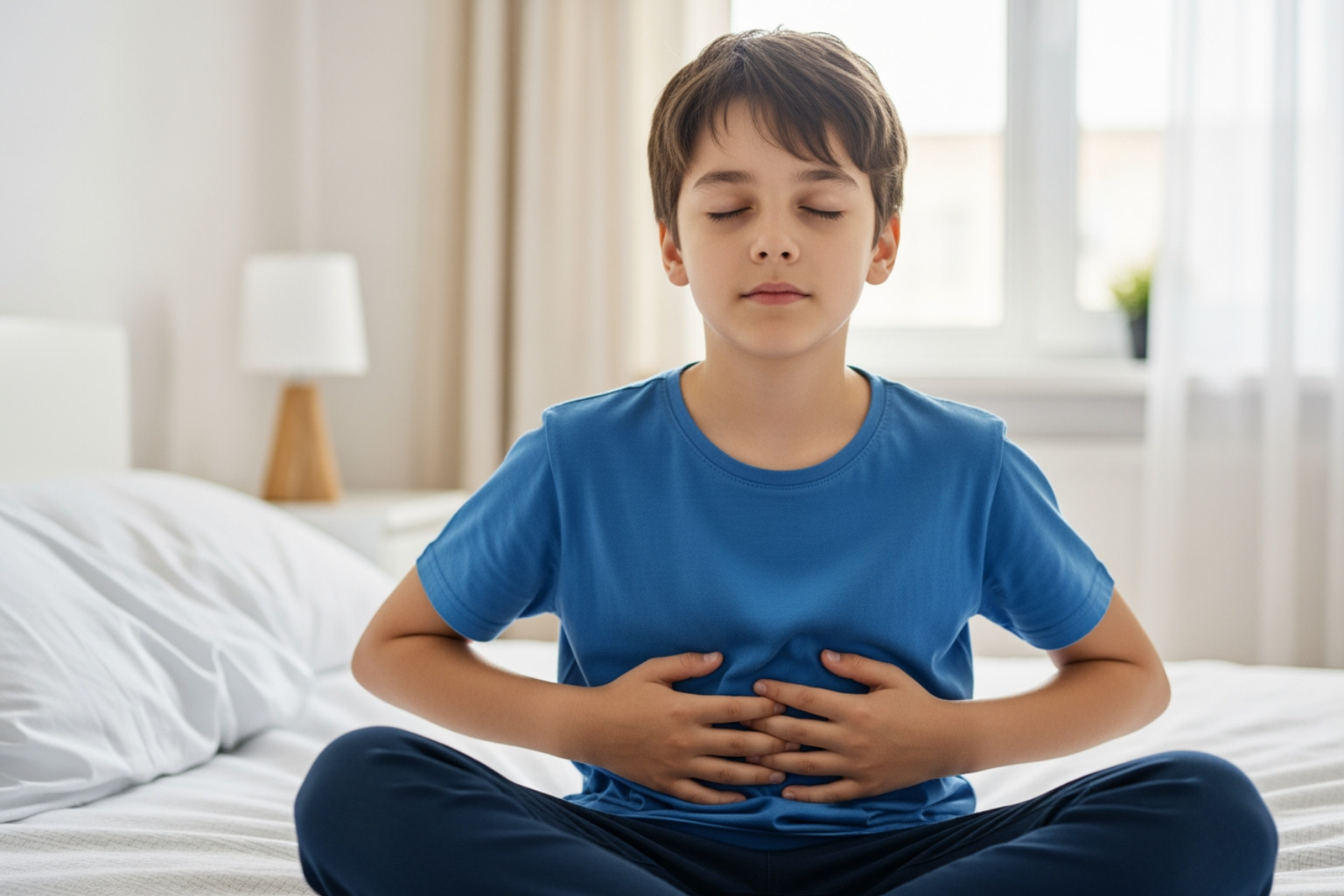
- Mindful breathing exercises: Deep belly breathing activates the body's relaxation response. Try "7-11 breathing": inhale for 7, exhale for 11 to hit the "pause" button before reacting.
- Creating a "Calm-Down Kit": A box with sensory tools like a fidget toy, soft blanket, or coloring supplies provides a tangible resource when emotions escalate.
- Physical activity for regulation: Regular movement like a quick run or jumping jacks helps release pent-up energy and shift emotional states.
- Labeling emotions: Help your child expand their emotional vocabulary beyond "mad" or "sad." Is it frustration, disappointment, or overwhelm? Naming it helps manage it.
- Problem-solving practice: After an emotional storm passes, gently brainstorm solutions for the trigger. This builds proactive skills.
- Importance of sleep: Consistent, quality sleep is non-negotiable. Sleep deprivation worsens emotional regulation. Prioritize a calming bedtime routine.

These skills take practice, but they build a powerful toolkit. For a structured approach, learn more about how you can .
How Parents Can Provide Support for Emotional Dysregulation ADHD Treatment
Your role as a parent is paramount in emotional dysregulation adhd treatment. You are your child's most important emotional coach. We focus on empowering you to create a supportive environment.
- Parent's role: "Behavior is communication." Your child's outbursts are signals that their nervous system is overwhelmed and needs your help.
- Co-regulation: Lend your calm to your child. Your calm presence is a biological signal to their nervous system that they are safe, helping them shift out of fight-or-flight.
- Validating feelings: Validate the feeling, even if you don't agree with the behavior. "I can see you're really angry." This helps your child feel understood.
- Modeling healthy emotional expression: Children learn by watching. Talk about your own feelings and show them how you cope with frustration or disappointment.
- Creating predictable routines: Structure and predictability reduce anxiety and overwhelm. Consistent schedules for meals, homework, and bedtime provide security.
- Using clear and calm communication: In tense moments, keep your language simple and your voice calm. Focus on what needs to happen next, not on lecturing.
- Positive reinforcement: Catch your child doing well. Praise their efforts to use a coping skill or communicate their feelings, reinforcing positive behavior.
- Working with the school: Collaborate with teachers and counselors. Share your child’s needs and work together on strategies for the classroom. You can share insights from our team in Ridgefield, CT, to ensure consistency.
- Seeking support for yourself: Parenting a child with emotional dysregulation is challenging. Prioritize your own well-being by seeking support from a therapist, coach, or parent group.
Our approach gives you practical coaching and support so these strategies actually work in real life. And remember, on the hard days (because there will be some), you’re not failing. We’re in your corner, always rooting for you and your child.
Frequently Asked Questions
Is emotional dysregulation an official symptom of ADHD?
While not an official diagnostic criterion in the DSM-5, emotional dysregulation is widely recognized by experts as a key feature of ADHD. It affects the majority of individuals with the condition and significantly impacts their lives.
Will my child outgrow their emotional outbursts?
While children can learn better coping skills as they mature, emotional dysregulation is tied to ADHD brain differences and often persists without targeted treatment. The good news is that with the right support, your child can learn to manage their emotions effectively at any age.
Besides therapy, what is the best thing I can do at home?
The most powerful thing you can do is practice co-regulation. When your child is overwhelmed, stay calm yourself. Your calm presence is a biological signal to their nervous system that they are safe, which helps them calm down faster. It’s a foundational step before you can teach any other skill.
How can I work with my child’s school to support emotional regulation?
Open communication with teachers and school counselors is key. Share your child’s needs, ask for accommodations, and collaborate on strategies that support emotional regulation in the classroom. You’re not alone—schools want to help your child succeed.
Citations
Huang, J., Mauche, N., Ahlers, E., Bogatsch, H., Böhme, P., Ethofer, T., Fallgatter, A. J., Gallinat, J., Hegerl, U., Heuser, I., Hoffmann, K., Kittel-Schneider, S., Reif, A., Schöttle, D., Unterecker, S., & Strauß, M. (2024). The impact of emotional dysregulation and comorbid depressive symptoms on clinical features, brain arousal, and treatment response in adults with ADHD. Frontiers in Psychiatry, 14:1294314. https://doi.org/10.3389/fpsyt.2023.1294314
Sobanski, E., Banaschewski, T., Asherson, P., Buitelaar, J., Chen, W., Franke, B., Holtmann, M., Krumm, B., Sergeant, J., Sonuga-Barke, E., Stringaris, A., Taylor, E., Anney, R., Ebstein, R. P., Gill, M., Miranda, A., Mulas, F., Oades, R. D., Roeyers, H., Rothenberger, A., Steinhausen, H.-C., & Faraone, S. V. (2010). Emotional lability in children and adolescents with attention deficit/hyperactivity disorder (ADHD): Clinical correlates and familial prevalence. Journal of Child Psychology and Psychiatry, 51(8):915–923. https://doi.org/10.1111/j.1469-7610.2010.02217.x
Vacher, C., Goujon, A., Romo, L., & Purper-Ouakil, D. (2020). Efficacy of psychosocial interventions for children with ADHD and emotion dysregulation: A systematic review. Psychiatry Research, 291:113151. https://doi.org/10.1016/j.psychres.2020.113151
Always remember… “Calm Brain, Happy Family™”
Disclaimer: This article is not intended to give health advice and it is recommended to consult with a physician before beginning any new wellness regime. *The effectiveness of diagnosis and treatment vary by patient and condition. Dr. Roseann Capanna-Hodge, LLC does not guarantee certain results.
Are you looking for SOLUTIONS for your struggling child or teen?
Dr. Roseann and her team are all about science-backed solutions, so you are in the right place!