%20.png)



Estimated reading time: 6 minutes
Ever see your child bounce from one thing to the next, then fall apart over something small? That’s when Adderall often enters the conversation, and parents naturally wonder: How addictive is Adderall, and is it really safe?
This isn’t only medical; it’s emotional. As parents, we want our child to thrive without added risk because what looks like behavior is really brain dysregulation. Let’s break down the facts, the dangers, and the safer paths forward.
Why Are ADHD Diagnoses and Adderall Prescriptions on the Rise?
Research tells us a complicated story about Adderall. On one hand, Weyandt et al. (2018) found that under medical supervision this stimulant can quiet the chaos of ADHD, yet on the other hand misuse—especially among teens and young adults—has become a growing storm.
Addiction risk grows out of dopamine surges, tolerance, and the pull of psychological factors that make kids believe they can’t function without it.
ADHD itself has skyrocketed in recent decades. The CDC (2016) estimated 6.1 million children in the U.S. carried an ADHD diagnosis, with a large number placed on stimulants like Adderall. Doesn’t that make you pause and wonder what has shifted in our kids’ worlds?
You’re not alone if you’ve felt torn about medication—so many parents wrestle with the same fears.
When used exactly as prescribed, medication can truly help children:
- Sharpen focus in school or at home
- Strengthen self-control when frustration boils over
- Improve daily functioning so life feels less like a constant uphill climb
Yet right alongside that legitimate use we see something more troubling. Misuse often springs from academic pressure, peer influence, and even the belief that a pill might be a shortcut to performance. It’s like kids are running a marathon but grabbing a dangerous energy drink to keep up.
So yes—Adderall can make a real difference for some kids. But with misuse on the rise, parents must watch closely, ask questions, and remember: What you see as behavior is really brain dysregulation.
What is Adderall?

Adderall, made from amphetamine and dextroamphetamine, can help kids with ADHD sharpen focus and manage impulses when prescribed with care.
But misuse flips the script. Watch for warning signs:
| Short-term effects | Psychiatric effects | Long-term risks |
|---|---|---|
| Sleepless nights | Paranoia | Dependence |
| Racing heartbeat | Hallucinations | Worsening mental health |
| High blood pressure | Agitation | Overall health decline |
With care, Adderall supports kids. Without it, dangers grow—parental eyes and steady guidance matter most.
Why is Adderall Addictive?
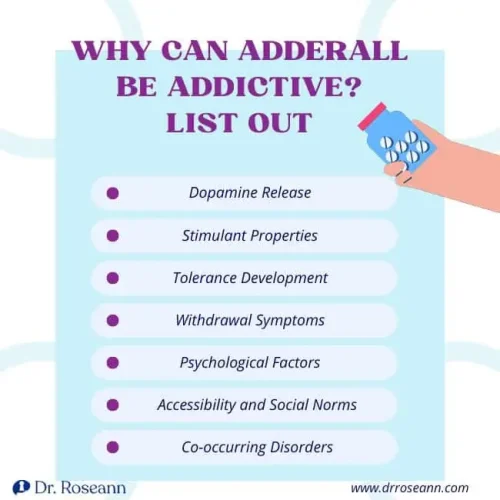
Adderall can support kids with ADHD, yet its addictive pull comes from how it rewires the brain’s reward system. Parents deserve to know what fuels that risk:
Why Adderall can be addictive
- Dopamine surge – sparks pleasure and reward, creating a cycle of “wanting more"
- Stimulant boost – lifts focus and energy, which some begin chasing outside safe use
- Tolerance – the brain adapts, leading kids toward higher and higher doses
- Withdrawal – fatigue, mood crashes, and cravings keep the cycle going
- Psychological hooks – stress, self-doubt, or peer pressure make misuse tempting
- Easy access – prescriptions and cultural norms can normalize misuse
- Co-occurring struggles – ADHD, anxiety, or depression raise dependence risk
Read about: Are ADHD Drugs Safe? Complete Risk-Benefit Analysis for Parents
What Warning Signs Should Parents Look Out For?
It’s not always easy to tell when safe use slips into risky use. Watch for red flags like:
- Pills disappearing too quickly
- Sudden mood swings or irritability
- Staying up late or sleeping very little
- Secretive behavior around schoolwork
- Saying, “I need it just to get through the day”
Catching these signs early matters—quick action helps prevent long-term dependence.
Read about: ADHD Medication Overprescription: Critical Analysis and Concerns
Looking for natural, drug-free ways to boost focus and calm? Download The Natural ADHD Focus Formula Kit and discover holistic strategies to support your child’s attention and learning.
Read FULL COMPLETE SAFETY GUIDE TO THE DANGERS OF MEDICATION
Parent Action Steps
☐ Take our Solution Matcher for personalized recommendations. Watch for mood or sleep changes. Keep your child’s medication in a secure place. Educate yourself more with my ADHD podcast episodes. Explore essential nutrients for brain support and natural remedies like magnesium. Customize a treatment plan for your child’s needs. Talk openly with your child about medication use. Take this ADHD Quiz to know if your child has ADHD or something else.
FAQs
Is Adderall a controlled substance?
Yes. In the U.S. and many countries, Adderall is a Schedule II controlled substance because of its high risk for misuse and dependence. That means it can only be prescribed by a licensed provider—and should always be used with careful monitoring and guidance.
Why do people abuse Adderall?
Adderall misuse often starts with wanting more energy, sharper focus, or an academic edge. Some chase the “high” it can bring, while others feel pressured to perform. But what begins as help can quickly slide into harm—especially when kids or teens turn to it outside of medical care.
Is Adderall an opioid?
No. Adderall is a stimulant, not an opioid. While opioids target pain pathways in the brain, Adderall works on dopamine and norepinephrine to boost focus and alertness. That’s why it’s used for ADHD—but also why misuse can be risky.
Is Adderall a narcotic?
No. Adderall isn’t classified as a narcotic—it’s a stimulant. Narcotics usually describe opioids or opium-based drugs used for pain relief. Adderall’s job is very different: helping kids with ADHD regulate attention and impulses when prescribed properly.
Why is Adderall addictive?
Adderall affects dopamine—the brain’s “reward” chemical—which can trigger feelings of euphoria. Over time, the brain may crave that boost, leading to tolerance, dependence, and withdrawal when use stops. That’s why careful prescribing, close monitoring, and open conversations are key to keeping kids safe.
Citations
Centers for Disease Control and Prevention (CDC). (2016). “Attention-Deficit / Hyperactivity Disorder (ADHD): Data & Statistics.” Retrieved from https://www.cdc.gov/ncbddd/adhd/data.html
Weyandt, L., White, T., Gudmundsdottir, B., Nitenson, A., Rathkey, E., De Leon, K., & Bjorn, S. (2018). Neurocognitive, Autonomic, and Mood Effects of Adderall: A Pilot Study of Healthy College Students. Pharmacy, 6(3), 58. https://doi.org/10.3390/pharmacy6030058
Dr. Roseann is a mental health expert in ADHD who frequently is in the media:
- Helping Children Thrive Podcast : Benefits of Neurofeedback for children with ADHD
- She Knows 11 Products Moms of Kids With ADHD Swear By to Maintain Order in the Chaos
- The Healthy 12 Silent Signs of Adult ADHD You Might Be Ignoring
- It’s Gonna Be OK! Podcast ADHD Series
Always remember... “Calm Brain, Happy Family™”
Are you looking for SOLUTIONS for your struggling child or teen?
Dr. Roseann and her team are all about science-backed solutions, so you are in the right place!
Is it ADHD or something else?