%20.png)



Estimated reading time: 8 minutes
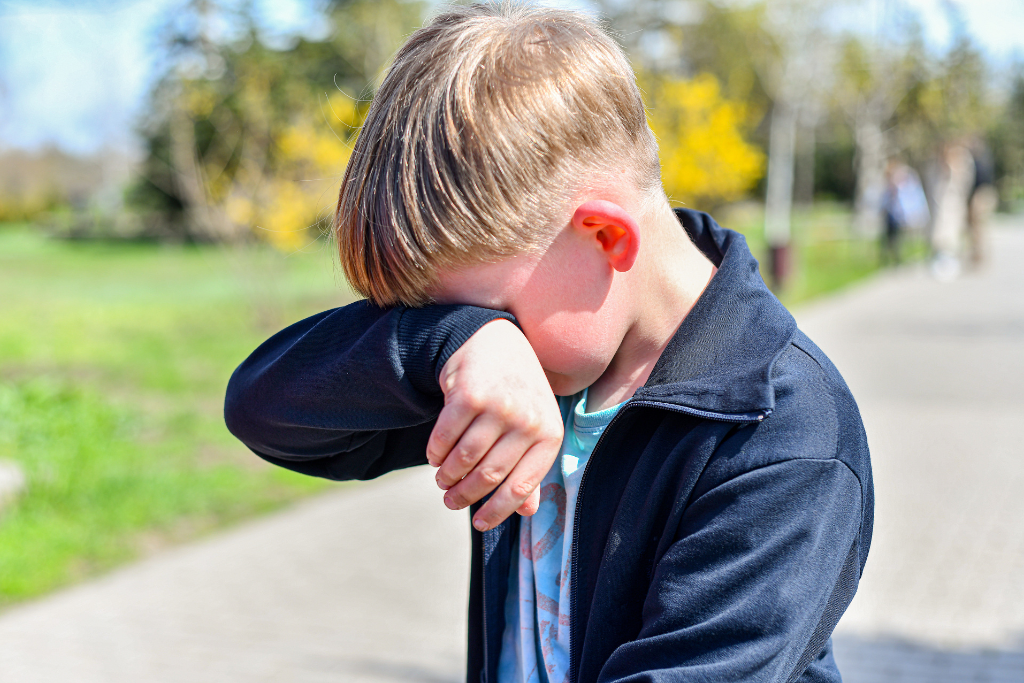
Emotional dysregulation in children happens when big feelings become too intense for a child to manage on their own.
You may see frequent meltdowns, explosive anger, anxiety, shutdowns, aggression, school struggles, or reactions that feel much bigger than the situation calls for.
The first signs parents often notice include:
- Frequent, intense meltdowns beyond the toddler years
- Difficulty calming down once upset
- Low frustration tolerance
- Big reactions to small changes, corrections, or limits
- Shutting down, withdrawing, or refusing to talk
- Aggressive outbursts when overwhelmed
- Trouble with transitions, homework, bedtime, or school mornings
- Friendship struggles, rejection sensitivity, or social conflict
If you’re feeling exhausted, confused, or worried by your child’s reactions, you’re not alone. These behaviors are communication. Your child isn’t trying to be difficult; their brain and body are overwhelmed, and they need support building the skills to calm, cope, and recover.
The first step is to help your child’s nervous system feel safe. Use fewer words, lower the demands, reduce sensory input, and offer calm connection before trying to teach, correct, or problem-solve.
I’m Dr. Roseann Capanna-Hodge, and for more than 30 years, I’ve helped families understand the root causes of emotional dysregulation and use science-backed strategies to calm the brain first.
In this guide, we’ll look at:
- the signs parents often notice first
- what’s typical versus concerning
- what steps to take next

Emotional dysregulation in children vocab explained:
What Are the Early Signs of Emotional Dysregulation in Children?
The early signs of emotional dysregulation in children often include frequent meltdowns, intense frustration, difficulty calming down, overreactions to small problems, anxiety, irritability, sensory overwhelm, and trouble with transitions.
Parents are often the first to notice that something feels harder than it should. You may see your child fall apart over things that seem small from the outside, but feel enormous to them on the inside.
Common early signs include:
- Meltdowns that happen often or seem hard to predict
- Crying or anger that lasts longer than expected
- Trouble calming after being told “no”
- Intense reactions to disappointment
- Difficulty with transitions
- Overwhelm in noisy, bright, crowded, or busy places
- Avoidance of schoolwork, chores, or social situations
- Irritability after screen time, poor sleep, or busy days
- Needing constant reassurance
- Saying “I can’t do this,” “I’m bad,” or “Nobody likes me”
- Aggression when frustrated
- Shutting down, hiding, or refusing to speak
Some children externalize dysregulation. Their distress comes out as yelling, arguing, running away, throwing things, or aggression.
Other children internalize dysregulation. They may look quiet, withdrawn, anxious, perfectionistic, or overly compliant while feeling flooded inside.
That’s why emotional dysregulation in children can be missed. Not every dysregulated child looks explosive. Some children can be silently overwhelmed.
The National Institute of Mental Health notes that warning signs parents may notice include frequent tantrums, intense irritability, fears or worries, physical complaints like stomachaches or headaches, trouble sitting quietly, sleep changes, and difficulty making friends.
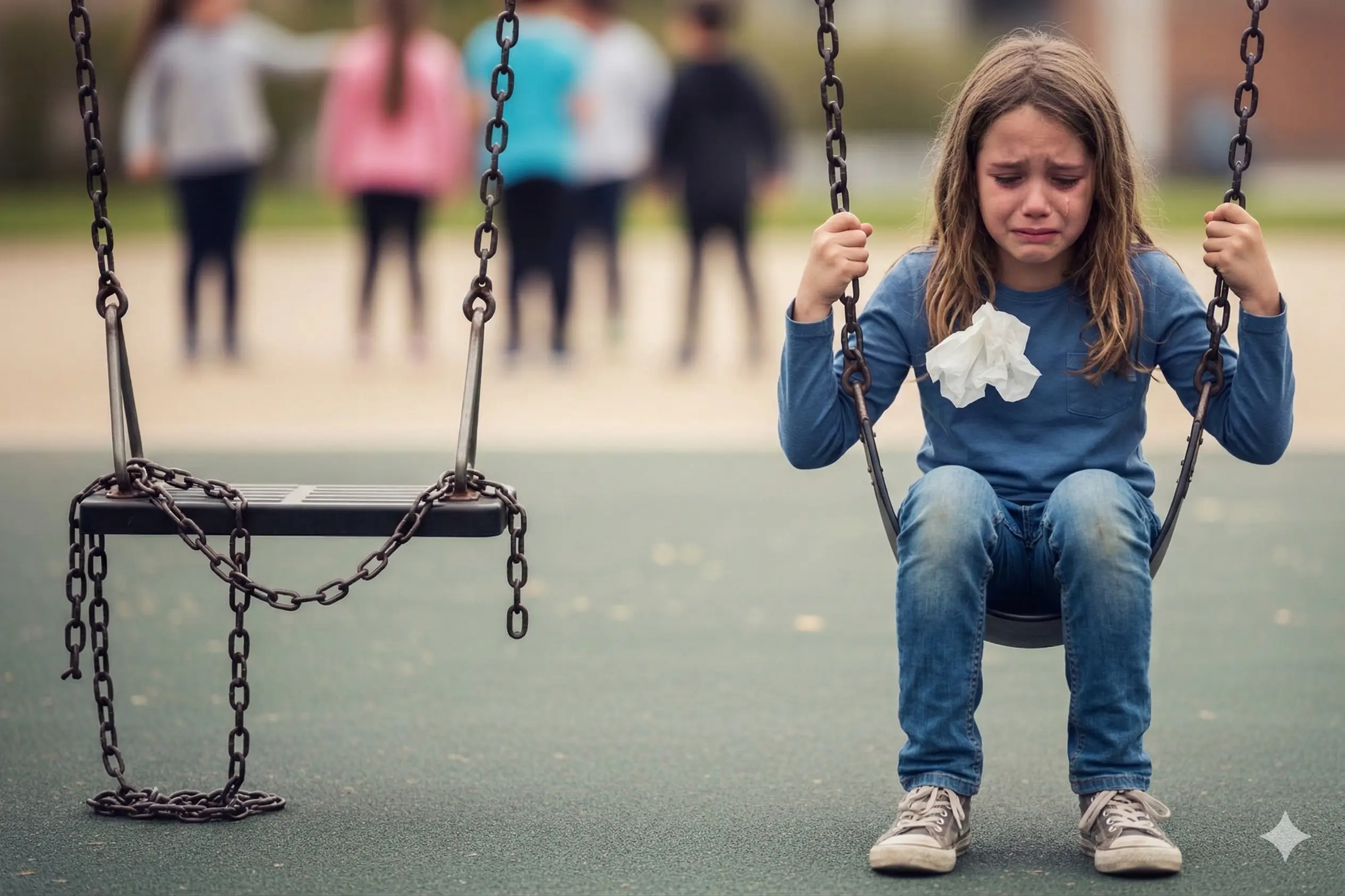
What Does Emotional Dysregulation Look Like at Home?
At home, emotional dysregulation often shows up during everyday routines that require flexibility, patience, transitions, or frustration tolerance.
Parents may notice that their child falls apart during ordinary moments: getting dressed, leaving the house, starting homework, stopping screens, eating dinner, cleaning up, or getting ready for bed.
At home, emotional dysregulation may look like:
- Morning battles before school
- Meltdowns over clothing, food, or hygiene
- Refusal to start homework
- Intense sibling conflict
- Screaming or crying when limits are set
- Trouble stopping video games or devices
- Aggression toward parents or siblings
- Running to their room and slamming the door
- Repeating the same worry or complaint
- Difficulty settling at bedtime
- Apologizing later but repeating the same pattern again
Many parents feel confused because their child can seem fine one minute and completely overwhelmed the next.
That sudden shift is often a clue. Dysregulated children may look okay until their stress load becomes too much. Then one small thing—the wrong cup, a sibling’s comment, a math problem, a change in plans—becomes the final drop.
Signs Parents Often Notice First at Home
The first signs of emotional dysregulation at home are often not dramatic at first. They may look like daily friction that slowly becomes more intense.
You may notice:
- Your child needs more help calming than other kids their age
- Small corrections lead to tears, anger, or shame
- Transitions almost always create conflict
- Your child becomes more reactive after school
- Bedtime feels like a second full-time job
- Screen time almost always ends in a meltdown
- Your child is deeply remorseful after an outburst but can’t seem to stop it from happening again
These signs don’t mean you have failed as a parent. They mean your child may need more support with regulation, coping skills, and nervous system recovery.
What Does Emotional Dysregulation Look Like at School?
At school, emotional dysregulation may look like work refusal, crying, disruptive behavior, perfectionism, peer conflict, school avoidance, frequent nurse visits, or shutting down.
Some children hold it together all day and melt down as soon as they get home. Others show clear signs in the classroom, especially during transitions, academic demands, unstructured time, peer conflict, or sensory overload.
At school, emotional dysregulation may look like:
- Refusing to enter the classroom
- Crying during drop-off
- Trouble sitting still or following directions
- Frequent trips to the nurse
- Avoiding assignments
- Ripping papers or shutting the laptop
- Getting upset when corrected
- Difficulty with group work
- Peer conflict or social misunderstandings
- Leaving the classroom without permission
- Hiding under desks or in quiet areas
- Acting silly, loud, or disruptive when overwhelmed
- Panic over mistakes
- Shutdowns that look like “not listening”
Sometimes, emotional dysregulation is mistaken for laziness, disrespect, attention-seeking, or poor motivation. But when a child repeatedly cannot access skills they seem to know, it often means their nervous system is overloaded.
A child who “knows better” but can’t consistently “do better” may not need more lectures. They may need better regulation support.
Signs Teachers May Notice First
Teachers may notice emotional dysregulation when a child:
- Struggles with transitions between activities
- Becomes upset when corrected
- Avoids hard assignments
- Has frequent peer conflicts
- Seems anxious, distracted, or overwhelmed
- Gives up quickly when work feels hard
- Needs repeated reassurance
- Has trouble recovering after a mistake
- Becomes disruptive during noisy or unstructured times
If both parents and teachers are seeing signs, that pattern is important. Emotional dysregulation that appears across settings may point to a deeper need for support.

Why Some Children Struggle to Regulate Their Emotions
Emotional dysregulation often results from a complex interplay of factors, not a single cause.
- Temperament: Some children are born with a more sensitive or intense disposition, making self-soothing more difficult from infancy (Bozicevic et al., 2025).
- Environment: A chaotic or unpredictable home environment can make it hard for a child to learn healthy coping skills. If parents always step in to manage distress, children may not develop self-discipline (Cai & Meng, 2024).
- Childhood Adversity and Trauma: Research shows that adverse experiences can alter a child’s brain development, making emotional regulation more effortful and increasing vulnerability to mental health conditions (Polmann et al., 2026).
- Underlying Conditions: Dysregulation is often a symptom of other diagnoses, including:
- Attention-Deficit/Hyperactivity Disorder (ADHD): Challenges with impulse control make it harder to manage emotional responses.
- Anxiety Disorders: High anxiety can lead to heightened emotional reactivity.
- Autism Spectrum Disorder (ASD): Difficulties with sensory processing and social-emotional skills can impact emotional regulation.
- Mood Disorders: Conditions like Disruptive Mood Dysregulation Disorder (DMDD) are characterized by persistent irritability and severe temper outbursts.
Unaddressed, emotional dysregulation can impact a child's development, social relationships, academic performance, and overall well-being, increasing the risk for mental health challenges in adolescence and adulthood.

When Should Parents Be Concerned?
Emotional dysregulation may be more than typical big feelings when a child’s reactions are frequent, extreme, long-lasting, unsafe, or interfering with daily life.
All children cry, protest, argue, and fall apart sometimes. A toddler melting down over a toy, a tired child crying at bedtime, or a tween slamming a door after being corrected can be part of development.
The concern is not one meltdown. The concern is the pattern.
Emotional dysregulation may be more concerning when:
- Reactions are extreme compared to the situation
- Meltdowns happen frequently
- Your child takes a long time to recover
- The behavior disrupts school, friendships, or family life
- Your child becomes aggressive or unsafe
- Your child avoids normal activities because of fear or overwhelm
- Teachers are noticing the same concerns
- Your child seems ashamed, hopeless, or distressed afterward
- Rewards and consequences don’t seem to change the pattern
- Your household feels like it revolves around preventing the next blowup
NIMH explains that sadness, anxiety, irritability, aggression, inattention, and difficulty interacting can be typical at times, but may signal a more serious concern when they persist or interfere with daily functioning.
A popular parent question is:
“Can my child return to calm with support, or do they get stuck in distress?”
If your child can recover with connection, rest, and simple support, they may be having a hard moment. But if they frequently get stuck in fight, flight, freeze, or shutdown, their nervous system may need more help.
Typical Big Feelings vs. Concerning Emotional Dysregulation
Typical big feelings may look like a child getting upset, needing comfort, and eventually recovering with support.
More concerning emotional dysregulation may look like a child becoming so overwhelmed that they cannot calm, think clearly, stay safe, or return to normal activity without significant help.
Here’s a simple way to think about it:
Typical: “My child gets upset but can recover with support.”
Concerning: “My child gets stuck in distress, and it disrupts our day, school, or family life.”
Typical: “My child has big feelings when tired, hungry, or disappointed.”
Concerning: “My child has intense reactions often, even when the trigger seems small.”
Typical: “My child sometimes argues or cries.”
Concerning: “My child’s reactions include aggression, shutdowns, panic, school refusal, or ongoing shame.”
When in doubt, look at frequency, intensity, duration, recovery time, and impact on daily life.

When Can Emotional Dysregulation Point to ADHD, Anxiety, Autism, or Trauma?
Emotional dysregulation in children can be linked to ADHD, anxiety, autism, trauma, sensory processing challenges, learning difficulties, or chronic stress. It doesn’t automatically mean your child has a diagnosis, but it can be a sign that something deeper is affecting their ability to regulate.
Here’s how emotional dysregulation may show up with different underlying concerns:
For many children, emotional dysregulation is not about being difficult or defiant. It is a nervous system signal.
A child with ADHD may struggle to pause before reacting. A child with anxiety may look oppositional when they actually feel overwhelmed. An autistic child may become dysregulated when the environment feels too loud, unpredictable, or socially demanding. A child with trauma may react strongly because their nervous system is staying on high alert.
What Should Parents Do First?
When a child is emotionally dysregulated, parents should first focus on calming the nervous system, not correcting the behavior. A dysregulated brain cannot reason, learn, or problem-solve well until the body feels safe.
This is where many parents get stuck. They try to explain, negotiate, discipline, or teach in the middle of the meltdown. But when a child is flooded, too many words can add more stress.
The first goal is safety and regulation.
1. Lower the Demands
When your child is flooded, reduce instructions, questions, and pressure. Use fewer words and a calm tone.
Instead of:
“Stop this right now and tell me what happened.”
Try:
“I see this is too much. We’re going to pause.”
Lowering demands doesn’t mean giving in to everything. It means recognizing that your child’s brain is not ready for problem-solving yet.
2. Regulate Yourself First
Your child borrows calm from your nervous system. That doesn’t mean you have to be perfect. It means your tone, pace, facial expression, and body language matter.
Slow your voice. Soften your face. Give your child a little more space.
Calm is contagious, but so is stress.
If you feel yourself getting activated, pause before responding. Even one slow breath can help you shift from reacting to leading.
3. Reduce Sensory Input
Some children need less noise, less light, fewer people, or a quieter space before they can recover.
Try:
- Dimming lights
- Turning off background noise
- Moving to a quiet room
- Offering headphones
- Reducing talking
- Giving space without abandonment
- Offering a weighted blanket or comfort item if your child likes it
A calmer environment can help the nervous system move out of overload.
4. Use Co-Regulation Before Correction
Co-regulation means you help your child’s nervous system settle before expecting them to manage emotions on their own.
You might say:
“It’s alright. I’m here. We’ll figure this out when your body is calmer.”
This does not mean you ignore behavior. It means you handle the brain state first, then teach the skill later.
Correction lands better when the brain is calm enough to receive it.
5. Track Patterns
Start noticing what happens before the dysregulation.
Look for patterns around:
- Sleep
- Hunger
- Screens
- Transitions
- School stress
- Sensory overload
- Social conflict
- Academic demands
- Changes in routine
- Too many activities
Patterns help parents move from reacting to preventing.
For example, if your child melts down every day after school, the issue may not be “attitude.” It may be fatigue, sensory overload, hunger, masking, or the emotional cost of holding it together all day.
6. Teach Skills During Calm Moments
The middle of a meltdown is not the time to teach emotional regulation.
Practice when your child is calm:
- Naming feelings
- Asking for help
- Taking a break
- Using a calm-down space
- Solving problems after conflict
- Practicing flexible thinking
- Using body-based calming tools
Your child needs repeated practice when their brain is available—not shame when it isn’t.
7. Repair After the Storm
After your child is calm, repair matters.
You can say:
“That was hard. I love you. We still need to talk about what happened, but we’re going to do it together.”
Repair teaches your child that big feelings don’t break connection. It also gives you a chance to teach responsibility without shame.
A calm follow-up might include:
- Naming what happened
- Validating the feeling
- Setting a boundary around unsafe behavior
- Practicing what to do next time
For example:
“You were really frustrated when screen time ended. It’s okay to feel mad. It’s not okay to throw the remote. Next time, we’re going to practice saying, ‘I need a minute.’”
That is how children build emotional regulation over time: through calm, repeated practice.
For a deeper guide, read:
Emotional Dysregulation in Kids: Common Signs and Why It Happens
You may also want to explore:
- Managing Emotional Dysregulation Day-to-Day
- What to Say to Soothe Emotionally Dysregulated Children
- What Sets Emotionally Dysregulated Kids Off
If you are just beginning to understand emotional dysregulation in children, start by watching the signs. Notice what happens before the behavior, what helps your child recover, and whether the pattern is affecting home, school, or relationships.
Remember, your child’s behavior is communication. When you learn to read the signs, you can respond with more confidence, more calm, and more clarity.
Frequently Asked Questions
What are the first signs of emotional dysregulation in a child?
The first signs often include frequent meltdowns, big reactions to small problems, trouble with transitions, intense frustration, sensory overwhelm, anxiety, irritability, or difficulty calming after being upset.
Is emotional dysregulation normal in children?
Some emotional dysregulation is normal because children are still developing self-regulation skills. It becomes more concerning when reactions are frequent, extreme, long-lasting, unsafe, or interfering with home, school, or relationships.
What does emotional dysregulation look like at home?
At home, emotional dysregulation may look like morning battles, homework refusal, bedtime meltdowns, sibling conflict, screen-time blowups, aggression, crying, shutting down, or intense reactions to limits.
What does emotional dysregulation look like at school?
At school, emotional dysregulation may look like work refusal, crying, leaving the classroom, peer conflict, perfectionism, shutdowns, disruptive behavior, school avoidance, or frequent visits to the nurse.
What is the difference between a tantrum and emotional dysregulation?
A tantrum is often a short-term reaction to frustration, disappointment, or not getting what a child wants. Emotional dysregulation is a broader pattern where a child repeatedly struggles to manage feelings, calm down, recover, or stay in control across situations.
How can parents help a dysregulated child calm down?
Parents can help a dysregulated child calm down by lowering demands, using fewer words, reducing sensory input, staying calm themselves, offering safety, and waiting until the child is regulated before teaching or correcting.
What should parents do first when a child is emotionally dysregulated?
The first step is to calm the nervous system. Before correcting behavior, parents should reduce demands, speak calmly, limit sensory input, and help the child feel safe enough to recover.
When should I get help for my child’s emotional dysregulation?
Get help when emotional dysregulation is frequent, intense, unsafe, affecting school or relationships, or creating major stress at home. A pediatrician, therapist, school psychologist, or regulation-informed provider can help identify what your child needs.
Citations
Bozicevic, L., De Pascalis, L., Cooper, P., & Murray, L. (2025). The role of maternal sensitivity, infant temperament, and emotional context in the development of emotion regulation. Scientific Reports, 15:17271. https://doi.org/10.1038/s41598-025-01714-8
Cai, Z., & Meng, Q. (2024). Household chaos, emotion regulation and social adjustment in preschool children. Scientific Reports, 14:28875. https://doi.org/10.1038/s41598-024-80383-5
Pollmann, A., Rakesh, D., & Fuhrmann, D. (2026). Longitudinal associations between adolescent adversity, brain development and behavioural and emotional problems. Developmental Cognitive Neuroscience, 77:101646. https://doi.org/10.1016/j.dcn.2025.101646
Always remember… “Calm Brain, Happy Family™”
Disclaimer: This article is not intended to give health advice and it is recommended to consult with a physician before beginning any new wellness regime. *The effectiveness of diagnosis and treatment vary by patient and condition. Dr. Roseann Capanna-Hodge, LLC does not guarantee certain results.
Are you looking for SOLUTIONS for your struggling child or teen?
Dr. Roseann and her team are all about science-backed solutions, so you are in the right place!