

Join the Dysregulation Insider get free calm parenting tips straight to your inbox!
YES, I'M IN!What to do When You are an Overwhelmed Parent | Regulation-First Parenting | E259





Estimated Reading Time: 7 Minutes
The truth is that parenting today comes with enormous demands.
Between work responsibilities, household tasks, emotional labor, school concerns, activities, finances, and the constant pressure to "do it all," many parents feel like they're barely keeping their heads above water.
The problem isn't that you're failing.
The problem is that your nervous system may be overwhelmed.
And when parents are dysregulated, it becomes harder to support dysregulated children.
In this episode, I explain why so many parents feel overwhelmed, the warning signs of parental burnout, and the practical strategies that help calm the nervous system and restore balance.
Why are so many parents feeling overwhelmed?
Parenting has always been challenging.
But modern parenting presents unique pressures that previous generations didn't face.
The Reality of Modern Parenting
Many families today are managing:
- Dual-income households
- Financial stress
- Packed schedules
- Academic pressure
- Social media comparisons
- Mental health concerns
- Limited community support
Parents are expected to succeed professionally while simultaneously being fully present, emotionally available, and constantly engaged at home.
That's a lot for any nervous system.
Then vs. Now
In previous generations, many households operated differently.
Families often had:
- More community support
- Less technology
- Fewer extracurricular demands
- Lower social comparison pressure
Today's parents face an entirely different landscape.
And many are paying the price through chronic stress and burnout.
What are the signs of parental overwhelm?
One of the biggest challenges is that many parents don't realize how overwhelmed they actually are.
Stress becomes normal.
Burnout becomes normal.
And eventually, it feels like this is just how life is supposed to be.
Emotional Signs
You may notice:
- Irritability
- Frequent frustration
- Feeling emotionally drained
- Tearfulness
- Anxiety
- Constant worry
Physical Signs
Overwhelm often shows up physically too:
- Fatigue
- Headaches
- Muscle tension
- Sleep problems
- Frequent illness
- Digestive issues
Behavioral Signs
Parents may also:
- Withdraw socially
- Snap at family members
- Struggle with patience
- Feel emotionally disconnected
Real-Life Example
A parent finds themselves reacting intensely to small problems.
A forgotten homework assignment triggers a major argument.
The issue isn't the homework.
It's that the parent's nervous system is already overloaded.
Why does nervous system regulation matter for parents?
One of the most important things I teach families is this:
Your child's nervous system is constantly responding to yours.
If you're dysregulated, it's much harder to help your child regulate.
Co-Regulation Starts With You
Children borrow calm from regulated adults.
That means your nervous system matters.
A lot.
What Happens When Parents Regulate?
When parents regulate:
- Patience improves
- Emotional reactivity decreases
- Communication improves
- Family stress decreases
The entire household benefits.
Real-Life Example
A parent begins practicing daily nervous system resets.
Within weeks, they notice:
- Less yelling
- More patience
- Better communication
- Reduced conflict
Small changes create meaningful results.
🗣️ "The pressures of modern life, combined with the emotional stress of worrying about your child's well-being, can leave many parents feeling drained." — Dr. Roseann
Feeling overwhelmed and unsure where to start?
The Regulation Rescue Kit provides practical Regulation First Parenting® strategies that help calm the nervous system, reduce stress, and create more peace at home. Become a Dysregulation Insider VIP and get your FREE kit: www.drroseann.com/newsletter
How can parents reduce overwhelm?
The good news is that overwhelm can be reduced.
Not by adding more to your plate.
But by helping your nervous system recover.
1. Prioritize Daily Regulation
Think of regulation like brushing your teeth.
It's not optional.
It's maintenance.
Even ten minutes matters.
Simple Nervous System Resets
Try:
- Deep breathing
- Walking outside
- Stretching
- Prayer
- Meditation
- Grounding exercises
Consistency matters more than duration.
2. Stop Waiting Until Crisis Hits
Many parents only focus on self-care after reaching burnout.
Don't wait.
Small daily practices prevent larger problems later.
3. Build a Support System
You were never meant to do this alone.
Support may come from:
- Friends
- Family
- Therapists
- Parent groups
- Coaches
Co-regulation works for adults too.
4. Reduce Analysis Paralysis
Many overwhelmed parents spend enormous amounts of energy worrying about what they should do next.
Instead:
- Pick one small action
- Stay consistent
- Reassess later
Progress beats perfection.
Why do parents feel guilty about taking care of themselves?
Many parents believe focusing on themselves is selfish.
It's not.
The Airplane Rule Applies
You must secure your own oxygen mask first.
If you're completely depleted:
- Patience suffers
- Relationships suffer
- Parenting becomes harder
Taking care of yourself helps your child.
What Self-Care Actually Means
Self-care isn't always:
- Vacations
- Spa days
- Expensive activities
Sometimes it's:
- Going to bed earlier
- Taking a walk
- Drinking water
- Taking five deep breaths
Small acts matter.
What happens when parents ignore their own needs?
Chronic overwhelm often leads to:
- Burnout
- Emotional exhaustion
- Increased anxiety
- Health problems
- Relationship strain
The nervous system can only sustain high stress for so long.
Family Impact
When parents are overwhelmed:
- Children become more reactive
- Family conflict increases
- Emotional connection decreases
That's why parental regulation is one of the most powerful interventions available.
Takeaway & What’s Next
If you're feeling overwhelmed, please hear this:
You're not failing.
You're overloaded.
And there's a difference.
Your nervous system needs support just as much as your child's does.
Remember:
- Calm the brain first.
- Prioritize regulation.
- Ask for help.
- Take small consistent steps.
You don't have to do everything today.
You just need to take the next step.
It's gonna be OK.
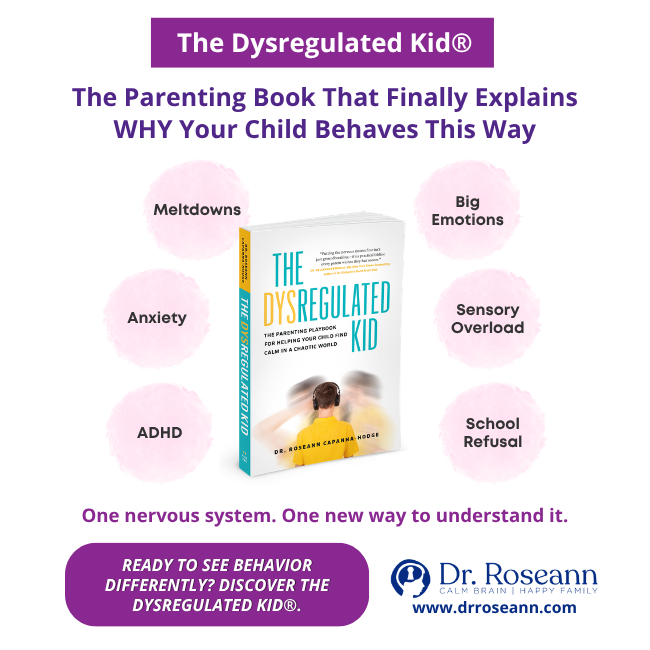
You can know exactly how you want to parent and still lose access to those skills when your own nervous system gets triggered. The Dysregulated Kid® helps you regulate yourself first, interrupt the escalation cycle, and respond with more calm and intention when parenting gets hard. Get The Dysregulated Kid® at dysregulatedkid.com.
FAQs
Why do so many parents feel overwhelmed today?
Modern parenting involves more responsibilities, higher expectations, financial pressures, and social comparison than many previous generations experienced.
What are signs of parental burnout?
Common signs include irritability, emotional exhaustion, anxiety, sleep issues, withdrawal, frequent frustration, and feeling emotionally disconnected.
How can I calm my nervous system as a parent?
Simple strategies like deep breathing, walking, mindfulness, prayer, movement, and nervous system regulation exercises can help.
Is it selfish to focus on my own well-being?
No. Regulated parents are better able to support regulated children. Taking care of yourself benefits your entire family.
How much self-care do I need?
Even ten minutes a day of intentional nervous system regulation can create meaningful improvements over time.
Not sure where to start?
Use the Solution Matcher to get personalized recommendations based on your family's unique needs. Start here: www.drroseann.com/help
Dr. Roseann Capanna-Hodge is a licensed therapist, certified school psychologist, and leading expert in emotional dysregulation in children. With over 30 years of experience, she helps parents understand the root causes of meltdowns, anxiety, ADHD, and challenging behavior through the lens of nervous system regulation. Dr. Roseann teaches practical, science-backed strategies for co-regulation and how to calm a dysregulated child using her Regulation First Parenting® approach. She is the host of the Dysregulated Kids Podcast and author of The Dysregulated Kid.
Dr. Roseann Capanna-Hodge
Emotional Dysregulation in Children & Nervous System Expert
Regulation First Parenting® | CALMS Protocol™
Host of the Dysregulated Kids Podcast (Top 1% Globally)
Author of The Dysregulated Kid

Find this helpful? Leave us a review!
Your feedback helps more overwhelmed parents find calm, clarity, and the proven tools that make everyday life easier.
Dr. Roseann Capanna-Hodge: Helping Families of Dysregulated Kids Thrive Through Regulation First Parenting®
As the creator of Regulation First Parenting®, she’s helping families of dysregulated kids discover a compassionate, brain-based path forward. Through The Dysregulated Kids™ Podcast (top 2% globally), she offers practical strategies that help parents understand their child’s brain and support lasting change.
Through The Global Institute of Children’s Mental Health and Dr. Roseann, LLC, she’s created resources like the Neurotastic® Brain Formulas and the Regulation First Parenting® framework—meeting families where they are and supporting them through challenges like ADHD, anxiety, OCD, PANS/PANDAS, and behavioral struggles.
Recognized by Forbes as “a thought leader in children’s mental health,” Dr. Roseann is changing how we understand emotional dysregulation in children—one family at a time.