%20.png)


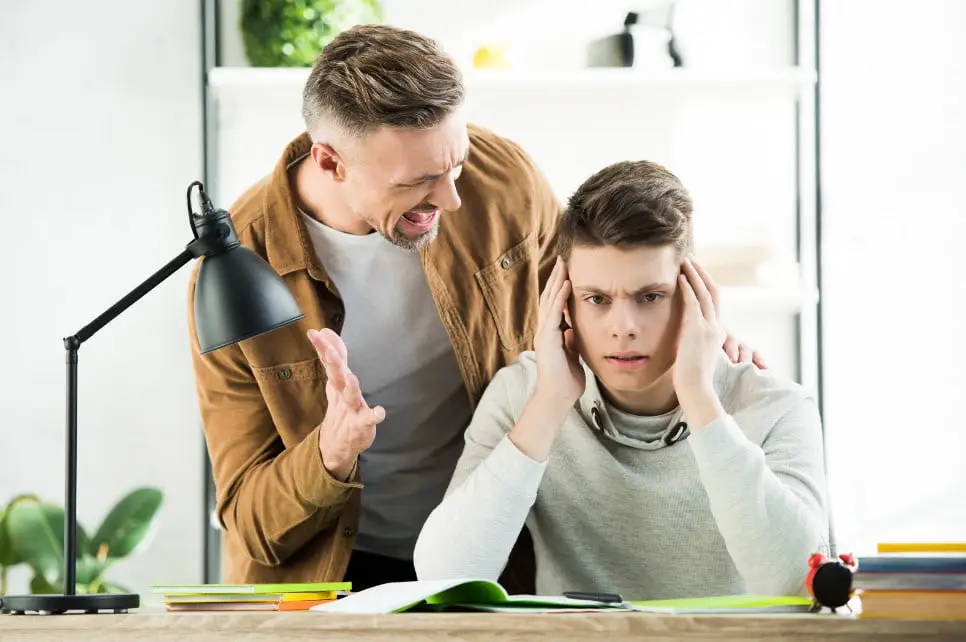
Estimated reading time: 10 minutesIf your child’s behavior sparks a quick “hot” reaction, you’re not alone. This guide will show you how to turn that emotional trigger into a calm, confident response—one simple step at a time.As parents, we all get pushed to the edge sometimes. When you’re tired or stressed, little things can set you off. The good news? You can learn to pause, regulate, and respond—without shame or blame.In this post, I’ll explain what an emotional trigger is, why it fires so fast, and how to calm your brain first so you can help your child calm down, too. You’ll walk away with simple scripts, sensory tools, and a regulation-first plan that works at home and school.What you’ll learn in minutes:what emotional triggers are, the science behind them, how to spot yours early, and practical ways to regulate yourself and your child. So, home feels safer and calmer.Regulation First Parenting™ in a nutshell: Regulate → Connect → Correct.™ When we calm the brain first, everything gets easier.
What Is an Emotional Trigger in Parenting—And Why Does It Hit So Hard?
An emotional trigger is a cue—tone, look, word, refusal—that sets off a strong reaction before you can think. In parenting, triggers often come from sensory overload, fear about the future, or old stuff from your past.When your nervous system flips into fight or flight, you react instead of respond.Different emotion-regulation strategies have different outcomes; slowing down to reappraise a situation works better than suppressing it (Gross, 2015).Parents’ own regulation skills are linked to calmer parenting and fewer child behavior issues (Zimmer-Gembeck et al., 2022). These findings back our nervous system regulation approach.Key takeaways:
- Behavior is communication. Your child’s meltdown is a nervous system signal—not a moral failing.
- It’s not bad parenting—it’s a dysregulated brain. Yours and theirs can be guided back to calm.
Real-life example:Amy dreaded after-school time. Her son’s loud “NO!” felt like disrespect. Once Amy learned to name her own trigger (“defiance tone”), she paused, breathed out longer than in, and said, “We’ll talk in two minutes.” That two-minute reset changed everything: fewer power struggles and faster repair.
How to Know or Spot Your Patterns Fast
ou can’t change what you can’t see. Identify your parenting triggers with a short daily check-in.Try this 3-minute scan:
- When/Where: Time of day, place, people present
- Body tells: clenched jaw, tight chest, heat, shallow breath
- Story in your head: “He’s doing this on purpose.” “I’m losing control.”
- Next tiny step: sip water, exhale slow, step back two feet
Early Warning Map
Parent-friendly tools to include this week:
- Journaling one line/night, 4-7-8 breathing
- Co-regulation touch (hand on shoulder if welcomed)
- And a sensory break (wall push-ups, chair pulls, breath + stretch).
What should I do in the heat of the moment?
In the moment, aim for short, simple, sensory.
Regulate, Then Respond
- Step back & soften voice. Lower volume regulates the room.
- Lengthen exhale (count 4 in, 6–8 out) to downshift the stress response.
- Name the state, not the trait: “Your brain is in high gear.”
- Offer two choices: “Water break or wall push-ups?”
- Correct later. Teaching sticks after the regulation.
Quick script:“I’m taking a breath. Your brain is overloaded. Let’s calm first—then we’ll solve it.”“Different strategies have different consequences—reappraisal tends to outperform suppression for long-term well-being” (Gross, 2015).

How to Reduce Daily Triggers at Home and School
Think “design for calm.”
Home Rhythms That Lower Triggers
- Predictable transitions: 10-minute warnings + visual timers
- Fuel + movement: protein snack and 5 minutes of heavy work after school
- Sensory stations: noise-reducing headphones, fidgets, wobble stool
- Calming techniques for parents: breath breaks on the hour; set a phone reminder
School Partnership
- Ask for sensory breaks, clear routines, and a calming corner.
- Share a one-page “behavior is communication” plan with teachers.
Real-life example:Miriam, mom to a 10-year-old with anxiety, added a “reset basket” by the door (putty, headphones, peppermint). Meltdowns at homework time dropped from daily to weekly.
What if Your Own History Is Part of the Trigger?
Many parents notice old wounds surfacing. That’s normal and workable.
Gentle Self-Work
- Name it: “This is an old button.”
- Coaching or therapy to process trauma or high stress
- Practice self-regulation skills daily (walks, breath, journaling, PEMF, or neurofeedback where appropriate)
Parents’ difficulty regulating emotions is associated with harsher parenting and more child behavior problems. Better parental ER links with calmer interactions and improved child outcomes (Zimmer-Gembeck et al., 2022).Real-life example:Luis grew up with yelling. He replaced “Why can’t you behave?!” with “I’m here. Let’s breathe.” Over time, both nervous systems learned safety.“Parents shape kids’ regulation through modeling, coaching, and the emotional climate at home” (Zimmer-Gembeck et al., 2022).
How Regulation First Parenting™ Help With Emotional Dysregulation
Most plans try to correct first. That backfires with a dysregulated brain. Our sequence—Regulate → Connect → Correct™—aligns with how the brain learns.
Why It Works
- The brain learns after threat drops.
- Connection cues safety; safety opens the prefrontal cortex.
- Correction (skills, limits, problem-solving) sticks post-regulation.
Emotion-regulation models show timing matters—choosing earlier-stage strategies (attention shift, reframing) reduces distress and reactivity (Gross, 2015).And parents’ regulation capacity predicts kids’ self-regulation skills and fewer externalizing behaviors (Zimmer-Gembeck et al., 2022; Pan et al., 2025).
When to Get Extra Support and What Kind Actually Helps
If triggers are daily, if safety is at risk, or if your child struggles with ADHD, OCD, ASD, or PANS/PANDAS, bring in help.What to look for
- Parent coaching that teaches co-regulation and nervous system tools
- School collaboration for accommodations and sensory overload supports
- Brain-based options (e.g., neurofeedback) that can support attention and regulation for some kids (see RCT/systematic reviews)
“When parents regulate first, children’s behavior and emotion regulation improve” ( Zimmer-Gembeck et al., 2022).
Your Next Small Step Today
Pick one “in-the-moment calmer,” one daily rhythm change, and one repair line.Try this tonight
- Before bed: 60 seconds of box breathing
- Morning: 2-line plan by the fridge (“Snack + 5-min movement before homework”)
- Repair if things go sideways: “I got triggered. Let’s calm the brain first.”

Your Calm Can Change Everything
You can’t pour from an empty cup — and you don’t have to keep trying. When your emotional trigger fires, it’s your nervous system saying, “I need calm.”Take a breath, step back, and remember: Regulate first, connect next, correct last.One small daily regulation habit—like pausing before reacting or doing a quick grounding breath—can shift the entire mood of your home. Over time, these small moments of calm become your family’s new normal.
Ready for Your Next Step?
Download my free guide: 147 Therapist-Endorsed Self-Regulation Strategies for Children: A Practical Guide for Parents. Explore how to parent a child with emotional dysregulation with simple, real-life tools that actually work. Find your calm and bring confidence back to your parenting.
FAQs
How do I stop snapping when my child refuses?
Pause. Exhale longer than you inhale. Say, “We’ll talk in two minutes.” Regulate first, then set the limit.
Is this just “mindset”?
No. It’s neurobiology. Calming the nervous system creates access to logic and learning (Gross, 2015).
Will school help with this?
Ask for sensory and regulation supports, clear routines, and a calm corner. Share your child’s regulation plan.
Does this help older kids and teens?
Yes. The brain is plastic. Co-regulation plus clear limits helps at every age (Pan et al., 2025).
Terminology
- Co-regulation: Your calm body and voice help your child’s nervous system settle.
- Self-regulation: Your child’s growing ability to manage emotions and behavior.
- Fight or flight: The stress response that makes bodies fast and brains inflexible.
- Sensory overload: When sounds, lights, touch, or crowds overwhelm the nervous system.
Citations
Gross, J. J. (2015). Emotion regulation: Current status and future prospects. Psychological Inquiry, 26(1), 1–26. https://doi.org/10.1080/1047840X.2014.940781Zimmer-Gembeck, M. J., Rudolph, J., Kerin, J., & Bohadana-Brown, G. (2022). Parent emotional regulation: A meta-analytic review of its association with parenting and child adjustment. International Journal of Behavioral Development, 46(1), 63–82. https://doi.org/10.1177/01650254211051086Pan, B., Wang, Y., Zhang, J., Wang, J., Xiao, B., & Li, Y. (2025). Parental co-parenting quality, children’s emotion regulation abilities, and prosocial behavior. BMC Psychology, 13, 635. https://doi.org/10.1186/s40359-025-02947-y
Always remember… “Calm Brain, Happy Family™”
Disclaimer: This article is not intended to give health advice, and it is recommended to consult with a physician before beginning any new wellness regimen. The effectiveness of diagnosis and treatment varies from patient to patient and condition to condition. Dr. Roseann Capanna-Hodge, LLC, does not guarantee specific results.
Are you looking for SOLUTIONS for your struggling child or teen?
Dr. Roseann and her team are all about science-backed solutions, so you are in the right place!

© Roseann Capanna-Hodge
Meet the Expert
Licensed Therapist | Certified School Psychologist
Board Certified in Neurofeedback (BCN) | 30+ Years Clinical Experience
Expert in Emotional Dysregulation in Children and Nervous System Regulation
Host, Dysregulated Kids Podcast | Author, The Dysregulated Kid
Dr. Roseann Capanna-Hodge is a licensed therapist, certified school psychologist, and leading expert in emotional dysregulation in children and nervous system regulation. With over 30 years of clinical experience and having analyzed more than 10,000 brain maps, she helps families understand what behavior is really signaling—and how to calm the nervous system first so real change can happen.
She is the creator of Regulation First Parenting™ and the CALMS Protocol™, host of the top 1% podcast Dysregulated Kids, and author of The Dysregulated Kid.