%20.png)


Estimated reading time : 12 minutes
Evening primrose oil and ADHD is a topic that comes up frequently in parent support groups and online forums. If you're researching this, you likely want to know if this natural supplement can help your child's symptoms.
Here's what you need to know:
- Evening primrose oil contains gamma-linolenic acid (GLA), an omega-6 fatty acid that may support brain function
- Research shows mixed results - some studies suggest modest benefits when combined with omega-3 fatty acids, while others show minimal to no improvement
- It's not a proven treatment - current evidence is inconclusive and it's less effective than conventional ADHD medications
- Safety profile is generally good - side effects are typically mild (upset stomach, headache) but drug interactions are possible
- It may work best as part of a holistic plan - not as a standalone treatment
If you’re feeling worn down by trial-and-error with meds or side effects, you’re not alone. It’s okay to consider gentler options—like evening primrose oil—so we can review the evidence together, set goals, and track progress.
ADHD affects an estimated 3-7% of children globally, and it's characterized by difficulties with attention, impulse control, and sometimes excessive activity. The disorder can significantly impact a child's performance at school, relationships with peers, and family dynamics.
Evening primrose oil has gained attention because it contains essential fatty acids that play a role in brain development and function. Some researchers theorized that children with ADHD might have deficiencies or imbalances in these fatty acids. However, the scientific evidence doesn't provide strong support for using evening primrose oil as an ADHD treatment on its own.
That said, understanding what the research does show - and what it doesn't - can help you make informed decisions about your child's care.

Understanding Evening Primrose Oil and Its Link to Brain Health
If you've been researching evening primrose oil and ADHD, you might be wondering what this supplement actually is and why anyone thinks it might help with attention and focus issues.
Let me break it down for you.
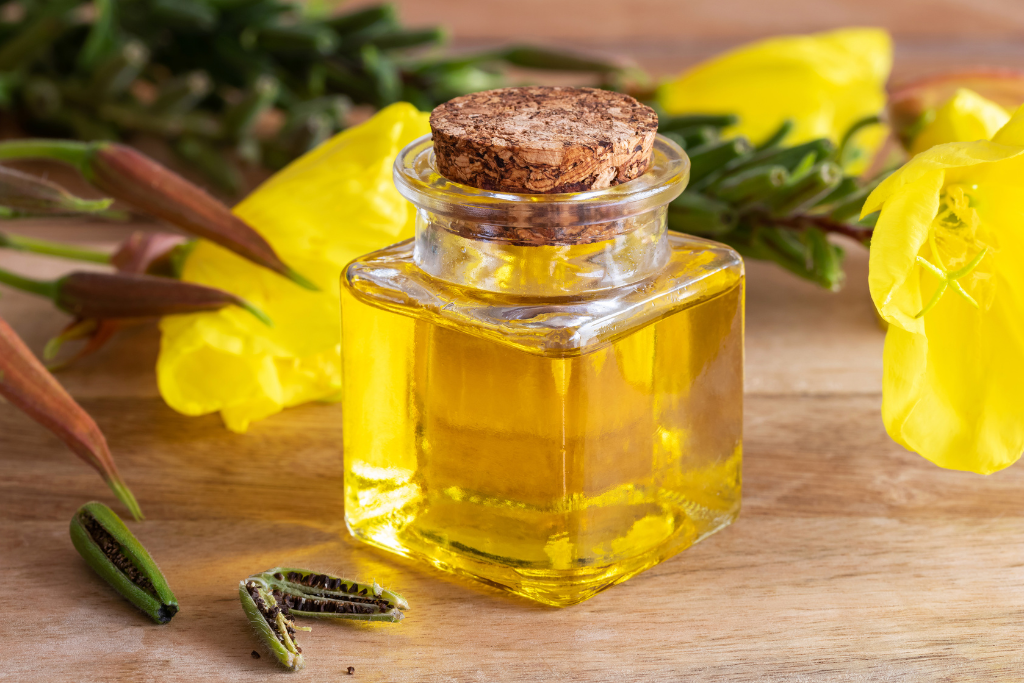
Evening primrose oil (EPO) comes from the seeds of the Oenothera biennis plant, a North American native with beautiful yellow flowers that bloom in the evening and last just one night. Native Americans used various parts of this plant for healing purposes long before it became a supplement on pharmacy shelves.
The key ingredient in evening primrose oil is gamma-linolenic acid (GLA), which is an omega-6 fatty acid. Now, before your eyes glaze over at the technical terms, here's what matters: GLA is an essential fatty acid, meaning our bodies can't make it on their own. We have to get it from food or supplements. You'll also find GLA in borage oil, black currant oil, and even breast milk.
Why does this matter for brain health? Our brains are about 60% fat. Essential fatty acids like GLA are literally building blocks for brain cells, helping form cell membranes and supporting the production of neurotransmitters—those chemical messengers that help brain cells communicate with each other.
When it comes to ADHD specifically, researchers have noticed that children with attention and focus challenges sometimes have imbalances in essential fatty acids. This observation sparked interest in whether supplementing with oils like EPO might help.
Proposed Mechanism by Which Evening Primrose Oil Might Affect ADHD Symptoms
So how might evening primrose oil and ADHD symptoms be connected? The theory is interesting, even if the research is still catching up.
The main idea centers on inflammation and brain health. Scientists are increasingly recognizing that ADHD may involve neuroinflammation—basically, low-level inflammation in the brain that can affect how neurons develop and communicate. This inflammation can interfere with neurotransmitter function, which is already a challenge for kids with ADHD.
Here's where GLA comes in. When you take evening primrose oil, your body converts GLA into another substance called dihomo-gamma-linolenic acid (DGLA). DGLA has anti-inflammatory properties—it gets converted into prostaglandin E1 (PGE1), which helps calm inflammation. It can also block enzymes called lipoxygenase and cyclooxygenase that promote inflammation.
If GLA can reduce inflammation in the brain, it might create a better environment for neurons to function properly. Think of it like clearing away debris so the brain's messaging system can work more smoothly.
GLA also supports healthy cell membranes throughout the brain. These membranes need to be fluid and flexible for neurotransmitters to do their job effectively. When cell membranes are healthy, signals can pass between brain cells more efficiently.
Now, GLA doesn't directly create dopamine or norepinephrine—the neurotransmitters that are often out of balance in ADHD. But by supporting overall brain health and reducing inflammation, it might indirectly help these neurotransmitter pathways work better.
There's another interesting piece to this puzzle. Some researchers believe that certain people with ADHD might have trouble converting dietary fats into the forms their brains need. There's an enzyme called delta-6-desaturase that's supposed to convert linoleic acid (found in many foods) into GLA. Some people may have reduced activity of this enzyme, creating a bottleneck in fatty acid metabolism. Taking GLA directly through evening primrose oil could theoretically bypass this problem.
You might have heard about omega-3 fatty acids for ADHD—those are well-studied and often recommended. GLA is actually an omega-6 fatty acid, which sometimes gets a bad reputation because many omega-6s can promote inflammation. But GLA is unique among omega-6 fatty acids because it actually has anti-inflammatory effects. Some research suggests it might work synergistically with omega-3s, though we'll explore what the studies actually show in the next section.
The theory behind evening primrose oil for ADHD is compelling. But as you'll see, what happens in theory doesn't always match what happens in real-world studies.

The Science Behind Evening Primrose Oil and ADHD: What Does Research Say?
If you’re exploring evening primrose oil and ADHD, it’s normal to find the research a bit mixed. That’s okay—there are promising hints, and we can use them wisely while staying grounded in evidence and what works for your child.
The biggest challenge? Most studies on supplements for ADHD suffer from significant limitations. We're talking about small groups of children, short study periods, and designs that vary so much it's hard to compare results. This makes it nearly impossible to say with confidence, "Yes, this works" or "No, it doesn't."
Here's what we know for certain: research on evening primrose oil for ADHD shows inconclusive results. In fact, multiple blinded placebo-controlled studies on essential fatty acid supplementation in children with ADHD showed minimal or no behavioral improvements. That's not the exciting breakthrough parents are hoping for.
But before we dismiss EPO entirely, there's more to the story. The research reveals some interesting nuances, particularly when we look at how evening primrose oil is used—whether alone or combined with other nutrients.
Studies on EPO in Combination with Other Nutrients
Here's where things get more interesting. When researchers combine evening primrose oil with omega-3 fatty acids (like those found in fish oil), the results start looking more promising. This suggests that the real magic might be in the synergy between different types of essential fatty acids, not in EPO working alone.
One small study of children ages 6-12 with ADHD found something encouraging: after 6 months, kids who took evening primrose oil and fish oil together were better at paying attention and acted less impulsively. The catch? Researchers couldn't tell if it was the EPO that helped, the fish oil, or the combination of both working together.
D'Helft et al. (2022) dug deeper into this question. The review found that a combination of omega-3 fatty acids (EPA and DHA) with omega-6 GLA was associated with ADHD symptom improvement. The researchers suggested that the best ratio might be 9:3:1 of EPA:DHA:GLA, though more studies are needed to confirm this.
Why might this combination work better than EPO alone? It comes down to balance. Omega-3 fatty acids help prevent the buildup of pro-inflammatory compounds that can form when you take GLA, while still allowing GLA to create its beneficial anti-inflammatory effects. Think of it as teamwork—each fatty acid plays a role, and together they create better results than any single player could achieve.
The Oxford-Durham study provides another piece of the puzzle. Researchers gave children with developmental coordination disorder (many of whom also had ADHD) a supplement containing both fish oil and evening primrose oil in an 80:20 ratio. After three months, these children showed significant improvements in reading, spelling, and behavior. The daily dose included 558 mg EPA, 174 mg DHA, 60 mg GLA, and vitamin E.
What's important to understand is that improved attention and reduced impulsivity in these studies came from balanced nutrition—not from loading up on one type of fatty acid. This fits with what we see in clinical practice: addressing nutritional needs comprehensively tends to yield better results than focusing on a single supplement.
Research on Evening Primrose Oil as a Standalone Approach for ADHD
Now let's talk about using evening primrose oil and ADHD treatment as a solo approach. Unfortunately, this is where the evidence becomes even less convincing.
One of the earliest studies, a placebo-controlled trial from 1989, tested Efamol (a brand of evening primrose oil) in 18 boys aged 6-12 with ADHD. Arnold et al. (1989) found that teachers' ratings showed a trend of Efamol effect falling somewhere between placebo and D-amphetamine. This trend reached statistical significance only on the Conners Hyperactivity Factor.
But here's the important part: even the researchers themselves cautioned that their study "does not establish Efamol (evening primrose oil) as an effective treatment." They noted that the minimal or no behavioral improvements seen in placebo-controlled trials meant more research with different designs and doses would be needed.
That was over three decades ago, and we still don't have strong evidence supporting EPO as a standalone treatment. Multiple analyses since then have confirmed the same pattern: when tested alone in rigorous, blinded placebo-controlled studies, evening primrose oil hasn't shown consistent, significant benefits for ADHD symptoms.
This doesn't mean EPO is useless—it just means it's not a silver bullet for ADHD when used by itself. The research suggests it may have a supporting role rather than a starring one.
The Role of Zinc and Other Nutrients with Evening Primrose Oil and ADHD
Your child's response to any supplement depends heavily on their overall nutritional status. This brings us to an intriguing theory about evening primrose oil and ADHD: the connection to zinc.
One study proposed that zinc nutrition may be important for how ADHD children respond to treatment, and that evening primrose oil's possible benefits might actually come from improving or compensating for borderline zinc deficiency. In other words, EPO might not be directly treating ADHD symptoms—it might be working around a zinc problem.
Here's why that matters: zinc is a cofactor in fatty acid metabolism. Your body needs adequate zinc for delta-6-desaturase, the enzyme that converts linoleic acid into GLA. If a child has borderline zinc deficiency, their body struggles to make GLA from dietary sources. Supplementing with GLA from evening primrose oil could potentially bypass this bottleneck.
Zinc deficiency has been observed in some children with ADHD, and low zinc levels can impact mood, cognition, and behavior. But zinc isn't the only nutrient that matters. Iron, magnesium, and B vitamins all play crucial roles in brain function and are often discussed in ADHD research.
This is why we always take a holistic nutritional view at Dr. Roseann. Looking at your child's entire dietary intake and potential deficiencies gives us a much clearer picture than focusing on one supplement in isolation. When we assess nutritional status comprehensively, we can identify which interventions are most likely to help your specific child—not just what worked in a general research study.
The bottom line? EPO might work better for children who have certain nutritional gaps, particularly zinc. But without addressing those underlying nutritional needs, even the most promising supplement may fall short of expectations.

Safety, Dosage, and Side Effects for Children
Before you even think about giving your child any supplement, including evening primrose oil and ADHD related products, you need to talk with their healthcare provider. This isn't optional—it's essential for your child's safety.
We know you want to explore every option to help your child, and we appreciate your diligence in researching. But here's the thing: even "natural" doesn't automatically mean risk-free, especially when it comes to our kids.
Evening primrose oil is Generally Recognized as Safe (GRAS) for most people when used short-term, typically up to six months. For children, the safety profile is generally good, with most side effects being mild and manageable.
That said, some children may experience headache, stomach upset, nausea, or diarrhea when taking EPO. These reactions are usually minor, but they're worth watching for. Every child is different, and what works well for one might not sit right with another.
One thing we always emphasize is the importance of choosing high-quality supplements. Not all supplements are created equal, and some may contain contaminants or inaccurate dosing. Look for reputable brands that undergo third-party testing and have transparent manufacturing practices.

Recommended Dosage and Administration
Here's where things get tricky: there are no official guidelines for using evening primrose oil and ADHD in children. The dosages used in research studies vary quite a bit, making it challenging to know what's appropriate.
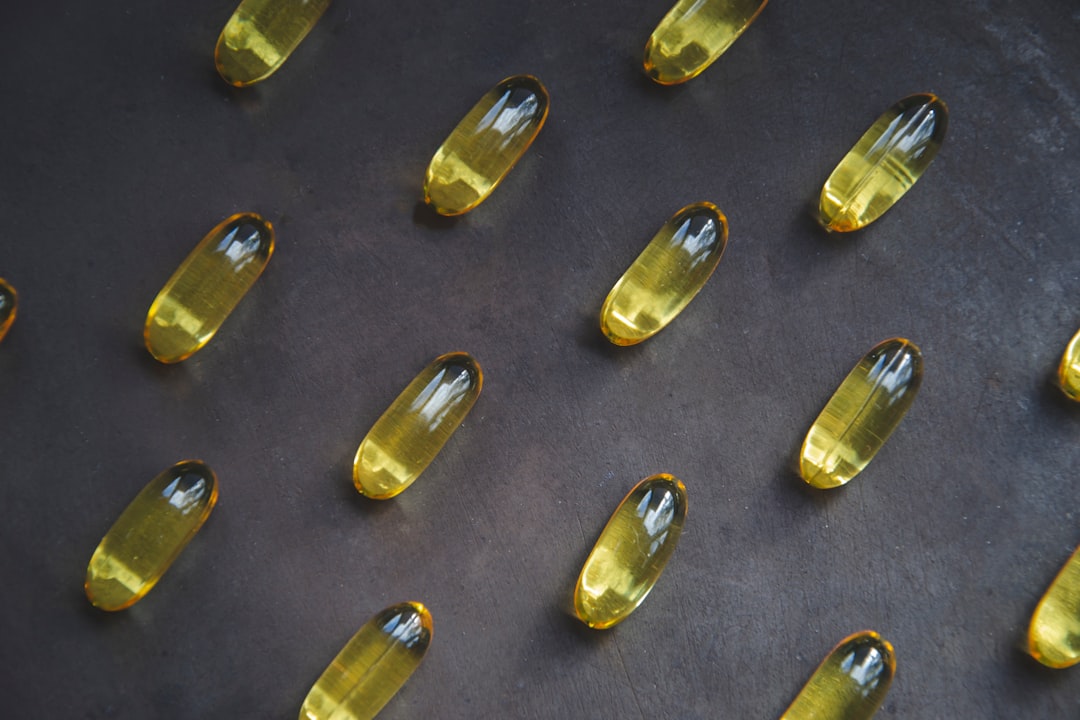
In the Efamol study we mentioned earlier, participants received eight Efamol capsules per day. The Oxford-Durham study used six capsules daily of a combined supplement that included 60 mg of GLA from evening primrose oil. But remember, these were controlled research settings with specific formulations.
Without standardized recommendations, the safest approach is to start with a low dose if you and your child's doctor decide to try EPO. This gives you a chance to see how your child responds and catch any side effects early. Keep a detailed journal of your child's symptoms, behavior, and any changes you notice—this information is invaluable for your healthcare team.
Duration matters too. Since we don't have robust long-term safety data for EPO in children, shorter durations of use (around six months or less) are typically recommended, with regular check-ins to reassess whether it's helping and whether you should continue.
Potential Drug Interactions and Precautions
This is where things get serious, and we can't stress this enough: evening primrose oil can interact with certain medications in potentially dangerous ways.
If your child takes blood-thinning medications like warfarin, aspirin, or clopidogrel, EPO could increase their risk of bleeding. This combination should either be avoided entirely or used only with extremely close medical supervision.
There's also concern about phenothiazines, medications sometimes prescribed for mental health conditions. Some reports suggest that EPO may increase seizure risk in people taking these drugs—definitely not something to take lightly.
If your child has any surgery scheduled, you'll need to stop evening primrose oil at least two weeks beforehand because of anesthesia considerations and the bleeding risk we mentioned.
Other potential interactions include cholesterol medications like lovastatin and certain HIV medications. The list of possible interactions is why we keep emphasizing medical supervision—your child's doctor knows their complete medical picture and can spot potential problems you might not be aware of.
Always tell every healthcare provider—doctors, pharmacists, specialists—about all supplements your child takes. This isn't being overly cautious; it's being a smart, protective parent. At Dr. Roseann, we believe in integrative care, but that means integrating safely, with professional guidance every step of the way.
How EPO Fits into a Holistic ADHD Support Plan
At Dr. Roseann, we firmly believe in a holistic, integrative approach to managing ADHD. This means looking beyond single remedies and considering the interconnectedness of diet, lifestyle, environment, and brain function. When we discuss evening primrose oil and ADHD, we see it not as a standalone solution, but as a potential component within a much broader strategy.
The truth is, there's no magic bullet for ADHD. What works beautifully for one child might not make a dent for another. That's why we take the time to understand each child's unique needs, strengths, and challenges before recommending any intervention.
Comparing EPO to Other Dietary and Supplemental Interventions
When you're researching evening primrose oil and ADHD, it's helpful to understand how it stacks up against other natural approaches. The evidence varies quite a bit depending on what you're looking at.
Omega-3 fatty acids from fish oil have a stronger research base than EPO alone. A 2023 Cochrane systematic review found low-certainty evidence that polyunsaturated fatty acids may improve ADHD symptoms in children and adolescents in the medium term, compared with placebo. While the effects are typically more modest than stimulant medications, many studies point to benefits in reducing hyperactivity and inattention. The American Psychiatric Association even recommends fatty fish twice a week and supplementing with at least 1 gram of fish oil for individuals with impulse control disorders.
Melatonin also shows real promise for ADHD-related sleep issues, which are incredibly common.
Zinc supplementation can lead to modest improvements in some ADHD symptoms, especially when a child has a diagnosed deficiency. Theory about zinc nutrition potentially explaining some of EPO's effects? This is where addressing actual deficiencies becomes important.
Pycnogenol, an extract from French maritime pine bark, is another botanical that some reviews suggest is promising for ADHD symptoms (Weyns et al., 2022), though more research is needed. On the other hand, ginkgo biloba and St. John's wort have less supportive evidence. Ginkgo appears less effective than methylphenidate, and St. John's wort has shown no better results than placebo in children.
Beyond supplements, neurofeedback has mixed evidence but is often reported by parents as moderately effective. It's considered an important non-pharmacologic option that helps children learn to regulate their brain activity. Yoga and meditation show small-to-moderate beneficial effects on core ADHD symptoms like attention and hyperactivity.
As you can see, EPO—particularly when combined with fish oil—is one of several supplements explored for ADHD. It's rarely considered a first-line treatment, but rather a supportive measure that might contribute to overall well-being within a comprehensive plan.
Our approach at the center is to create individualized care plans that integrate various strategies. We look at targeted nutritional support to address specific deficiencies and imbalances. We optimize lifestyle factors like sleep, exercise, and stress management. We incorporate behavioral and therapeutic interventions, including cognitive behavioral therapy and neurofeedback. This multi-faceted strategy is custom-built for each child's unique needs.
We believe in providing game-changing solutions that deliver rapid, effective results where other treatments may have fallen short. Sometimes that means thinking outside the conventional box and addressing the root causes rather than just managing symptoms.
_compressed.jpeg)
A Balanced Perspective for Parents
If you've made it this far, you're clearly dedicated to finding the best path forward for your child. That dedication is exactly what drives us at Dr. Roseann, and it's what inspired us to create this comprehensive guide on evening primrose oil and ADHD.
Let's be honest about what the research tells us: evening primrose oil is not a magic bullet for ADHD. The evidence simply doesn't support using it as a primary treatment or expecting dramatic results from EPO alone. It's not a first-line treatment, and it's definitely not a substitute for proven therapies like behavioral interventions or, when appropriate, medication.
That said, dismissing it entirely would be missing an important nuance. When evening primrose oil is combined with omega-3 fatty acids as part of a thoughtfully designed nutritional approach, some children do show improvements in attention and impulse control. The key word here is "some." Every child's brain chemistry, nutritional status, and overall health picture is unique.
What Does This Mean for Your Family?
Here’s my practical take: evening primrose oil may play a supportive role in ADHD care, but it shouldn’t be the whole plan. Consider it one piece of a bigger, hopeful toolkit—nutrient-dense meals, steady sleep, daily movement, stress-calming skills, and evidence-based behavioral supports—ideally guided by a clinician who partners with you to track what’s helping.
Your child's pediatrician or a neurodevelopmental specialist should always be your partner in decision-making. They can help you weigh the potential benefits against any risks, especially considering your child's specific medical history and any medications they're currently taking. Open, honest conversations about all treatment options—conventional and complementary—are essential for making informed choices.
Dr. Roseann's Therapist Quick Tip
In my 30+ years of working with kids with ADHD, I’ve learned that parents are always looking for natural tools that truly support the brain—and I love that curiosity. Evening primrose oil can be helpful for some children because its GLA content may support inflammation and nervous system function, but it’s never a stand-alone solution.
What I tell parents:
Don’t think of supplements as magic bullets—think of them as one piece of a bigger regulation plan.
Try this today:
Pair any supplement—EPO, omega-3s, magnesium—with daily calming routines like consistent sleep, predictable structure, and co-regulation moments. These habits strengthen the nervous system far more than any capsule alone.
Why it works:
When you support the brain from multiple angles—nutrition, sleep, structure, and connection—you give your child what they need to regulate, focus, and feel better long-term.
Remember:
You’re not treating ADHD; you’re supporting a whole child and a developing nervous system. Small, consistent steps create real change.
Frequently Asked Questions
Does Evening Primrose Oil help with ADHD?
Research shows mixed but encouraging results—some kids have better focus, steadier moods, and fewer impulsive moments. It works best as part of a bigger plan to calm the brain, not as a standalone fix.
Is Evening Primrose Oil safe for children?
Most kids tolerate it well, with only mild stomach or headache symptoms reported. Just make sure you choose a high-quality supplement and check with your child’s provider.
How long does it take to see results?
It usually takes 8–12 weeks for parents to notice changes because fatty acids take time to build up in the brain. Early improvements often show up in mood and frustration tolerance.
What does the research say about Evening Primrose Oil and ADHD?
Studies suggest some children have low levels of fatty acids, and Evening Primrose Oil may help improve attention and emotional regulation. Results aren’t dramatic but can be meaningful for certain kids.
Should I combine Evening Primrose Oil with omega-3s?
Yes—research shows Evening Primrose Oil works better when paired with omega-3s like EPA and DHA. This combination supports the brain pathways involved in focus and mood.
How do I know if it’s right for my child?
Kids with irritability, sleep issues, or emotional ups and downs often benefit the most. If you want a gentle, natural support for regulation, this is a good place to start
Citations
Arnold, L. E., Kleykamp, D., Votolato, N., Allen Taylor, W., Kontras, S., and Tobin, K. (1989). Gamma-linolenic acid for attention-deficit hyperactivity disorder: placebo-controlled comparison to D-amphetamine. J Psychia Neurosci Therapeutics, 25(2):222-228. Retrieved: https://www.biologicalpsychiatryjournal.com/article/0006-3223(89)90167-4/abstract
D'Helft, J., Caccialanza, R., Derbyshire, E., and Maes, M. (2022). Relevance of ω-6 GLA added to ω-3 PUFAs supplements for ADHD: a narrative review. Nutrients, 14(16):3273. https://doi.org/10.3390/nu14163273
Gillies, D., Leach, M., and Algorta G-P. (2023). Polyunsaturated fatty acids (PUFA) for attention deficit hyperactivity disorder (ADHD) in children and adolescents. Cochrane Database Syst Rev. https://doi.org/10.1002/14651858.CD007986.pub3.
Weyns, A-S., Verlaet, A., Breynaert, A., Naessens, T., Fransen, E., Verhelst, H., Van West, D., Van Ingelghem, I., Jonckheere, A., Beysen, D., Kenis, S., Moens, E., P.J van Roest, A., Saveljoul, Huub, De Bruyne, T., Pieters, L., Ceulemans, B., and Hermans, N. (2022). Clinical investigation of French Maritime Pine Bark Extract on Attention-Deficity Hyperactivity Disorder as compared to Methylphenidate and placebo: part 1: efficacy in a randomised trial. J Funct Foods. https://doi.org/10.1016/j.jff.2022.105246.
Always remember… “Calm Brain, Happy Family™”
Disclaimer: This article is not intended to give health advice and it is recommended to consult with a physician before beginning any new wellness regime. *The effectiveness of diagnosis and treatment vary by patient and condition. Dr. Roseann Capanna-Hodge, LLC does not guarantee certain results.
Are you looking for SOLUTIONS for your struggling child or teen?
Dr. Roseann and her team are all about science-backed solutions, so you are in the right place!
_compressed.jpeg)