


Estimated reading time: 7 minutes
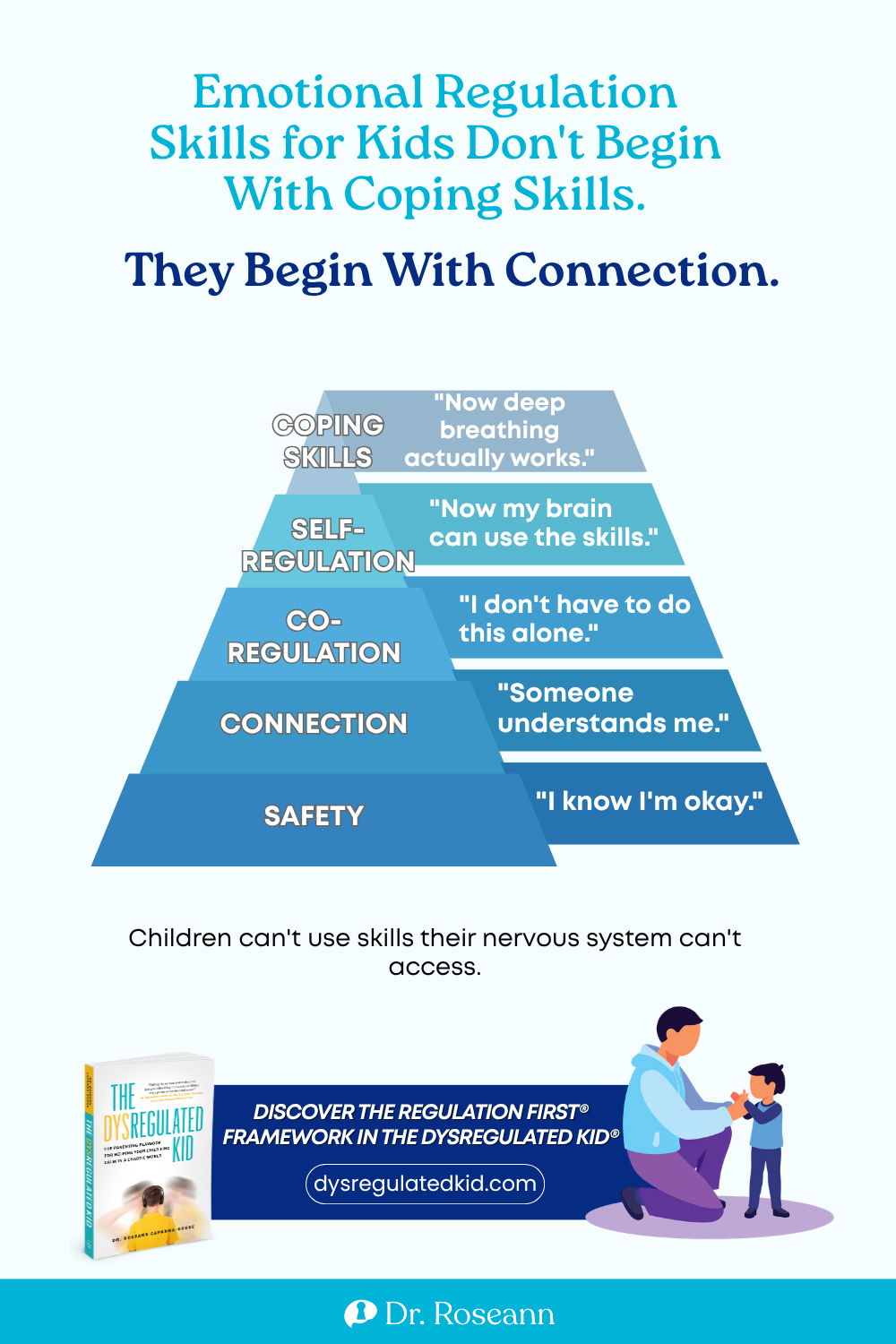
Emotional regulation skills for kids are the foundation for helping children manage big feelings, reduce meltdowns, and build resilience over time. These skills aren’t something kids are born with—they’re learned through consistent support, co-regulation, and brain-based strategies that help calm the nervous system first.
If your child struggles with emotional outbursts, impulsivity, or shutting down, it’s often a sign that their brain needs support in developing emotional regulation, not more discipline.
The good news? With the right tools and a regulation-first approach, you can teach emotional regulation skills for kids in a way that actually works—helping your child feel more in control, more connected, and more confident.
What You’ll Learn in This Guide:
- How emotional regulation skills for kids develop
- Why some kids struggle with emotional regulation
- Simple ways to build emotional regulation skills for kids at home
- How to support lasting emotional regulation
What Are Emotional Regulation Skills and Why Are They Important?
Emotional regulation skills help your child manage and respond to their emotional experiences in a healthy way (Mc Lean, 2017). These skills are essential as they help your child make friends, cope with challenges, and do well in school.
Key aspects of emotional regulation:
- Recognizing emotions: understanding or "naming" what they're feeling
- Managing responses: Controlling impulses and reacting appropriately
- Adapting to change: Adjusting to new circumstances with flexibility
How Can I Tell If My Child Has Trouble with Emotional Regulation?
These are the most common signs of emotional dysregulation in children:
- Frequent emotional outbursts
- Intense reactions to minor frustrations
- Difficulty calming down after being upset
- Acting without thinking about the consequences (impulsive)
- Avoiding activities or discussions that may evoke strong feelings
- Rapid mood changes
I met this 10-year-old, Henry, who had anxiety and ADHD. His mom would be stressed when he comes home after school as Henry would go into meltdown mode every time. Even small requests like “put your shoes away” would result in yelling, crying, or door-slamming.
Julia, his mom, felt like she was constantly walking on eggshells.
Once she realized this pattern was emotional dysregulation—not “bad behavior”—she began focusing on calming strategies and transitioned her son to a sensory-friendly afterschool routine. And the change was dramatic.
Takeaway: It’s not bad parenting when you can't calm your child down. More often than you think, it’s due to a dysregulated brain – something that you can respond to calmly and strategically.
What Causes Emotional Dysregulation in Children?
Emotional dysregulation can be caused by:
- Underlying mental health issues (i.e. ADHD, Autism, OCD, PANS/PANDAS, etc)
- Trauma
- High-stress environments
- Lack of structure at home
- Lack of coping skills to manage anxiety and stress
- Poor sleep
- Nutritional deficiencies
Identifying the root causes of your child's behavior can help us create a personalized support plan that can help your child deal with their big emotions.
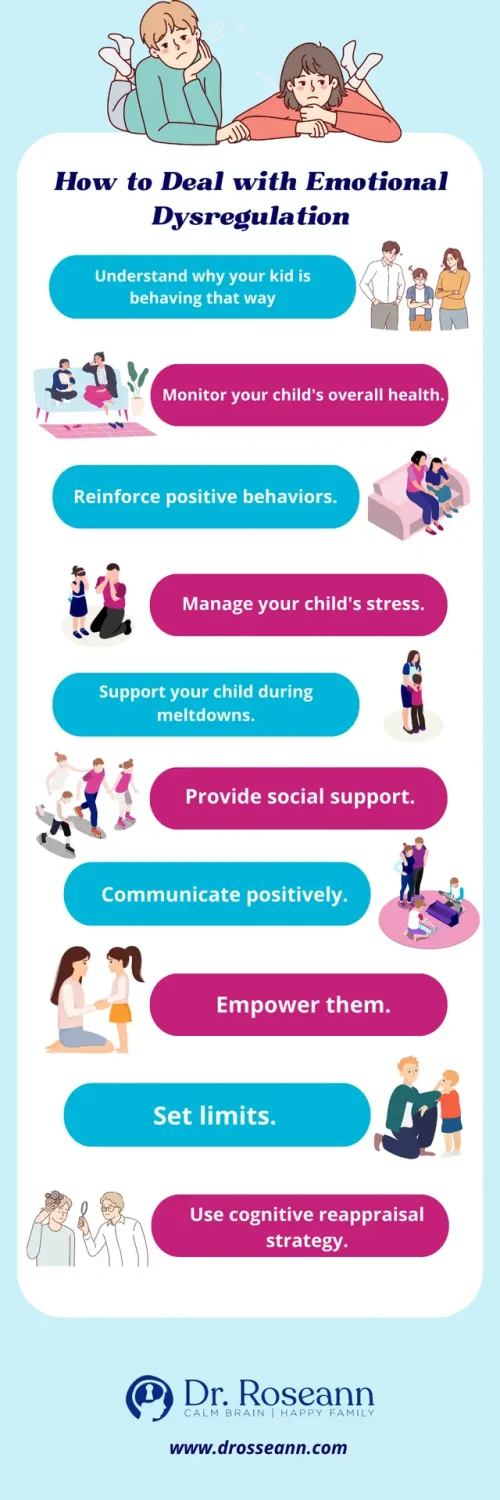
How Can I Teach My Child Emotional Regulation Skills?
Teaching emotional regulation skills is a gradual process. It needs patience and consistency.
- Model calm behavior: Demonstrate how to handle stress and frustration in a composed manner
- Name emotions: Help your child put words to what they are feeling.
- Practice mindfulness: Do activities that promote awareness of the present moment
- Establish routines: Consistent schedules provide a sense of security and predictability
I had this parent, Tina, a single mom to 7-year-old Lucas. They started using emotion charts at home after reading one of my blogs. She told me that each morning and evening, they’d check in and identify how Lucas was feeling using faces and colors. It only took a few days for Lucas to start saying things like, “I feel angry,” instead of acting out.
Takeaway: Teaching kids to label their emotions builds their vocabulary to ask for help instead of melting down.
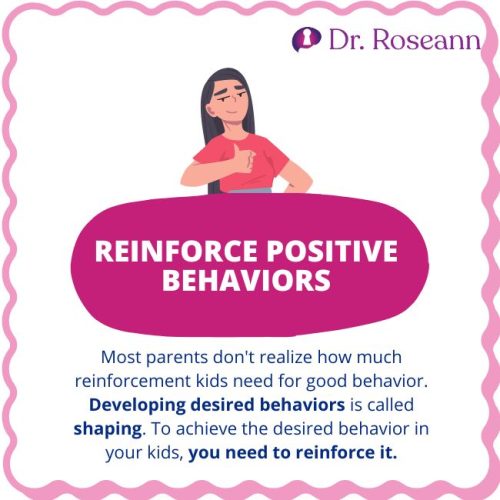
Other effective ways to train your child:
- Use Cognitive Reappraisal (Willner et al., 2022)
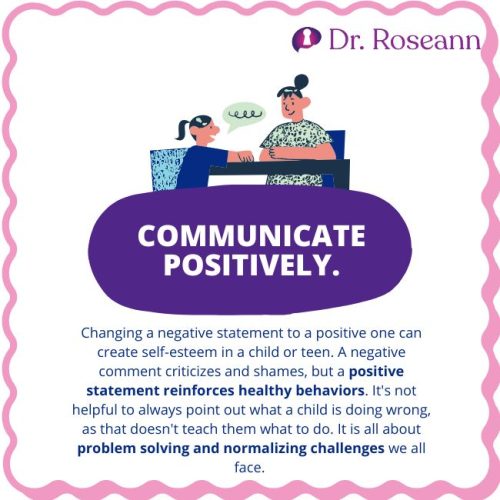
- Communicate positively
- Reinforce positive behaviors
- Explore the
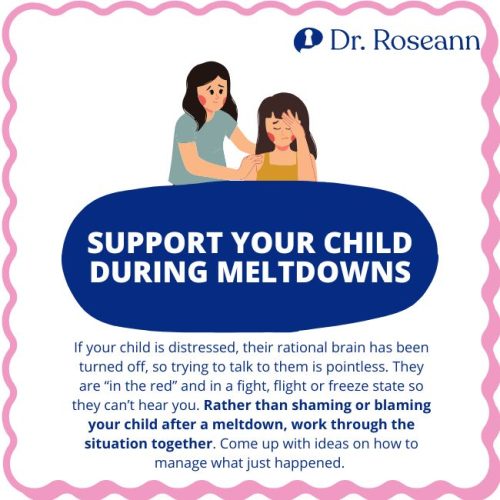
How Can I Support My Child During Emotional Outbursts?
During intense emotional episodes, your support is vital.
- Stay calm: Maintain a composed demeanor to help your child feel safe
- Acknowledge their feelings: Validate their emotions without judgment
- Set clear boundaries: Communicate acceptable behaviors and consequences consistently
- Offer coping tools: Guide them toward techniques like deep breathing or counting to ten
You don’t have to fix it all—just be your child’s anchor in the storm. That safe presence teaches regulation over time.
What Are Some Effective Activities to Improve Emotional Regulation?
Daily, no-fuss activities your kid enjoys can help them develop better emotional regulation skills.
- Deep breathing exercises: Practice taking slow, deep breaths regardless of what they're feeling at the moment.
- Physical activity: Engage your child in active play (i.e. tag or catch) to reduce their stress levels.
- Creative outlets: Encourage drawing (Brechet et al., 2020), writing, or playing music to help them express emotions.
- Role-playing: Practice responding to different situations like how to get mommy and daddy's attention without shouting or getting impatient.
When Should I Seek Professional Help for My Child's Emotional Dysregulation?
Sometimes, no matter how much love and support we give, things still feel out of control. Consider seeking help if:
- Their reactions don’t match the situation
- Struggles in more than one place – home, school, and with friends
- They’re hurting themselves, lashing out, or scaring you or others
If your gut is telling you something’s off, listen to it. You’re not alone, and there are answers—and hope—out there.
What Other Experts and Trusted Institutions Say
"Children learn how to regulate their emotions through co-regulation. The better we can soothe them when they are agitated, or support them when they are low, the better they will be able to absorb how to do this for themselves."
— Dr. Stuart Shanker, Research Professor Emeritus of Philosophy and Psychology at York University
"Helping children calm has to be the priority. A child can't think logically when they are anxious, and they definitely can't learn."
— Krysten Taprell, Psychologist
"Children do their best with the limited tools that they possess; they do not have the luxury of having a brain that is fully developed."
— Institute of Child Psychology
It’s Gonna Be OK!
Helping your child develop emotional regulation skills isn’t just about getting through tough moments. It’s about giving them lifelong tools to feel safe, calm, and in control -- one of the most powerful gifts you can give as a parent.
So many parents are walking this same road—and there’s real help, real hope, and real solutions waiting for you.
👉 Download our free 147 Therapist-Endorsed Self-Regulation Strategies for Parents!
FAQs
What age should emotional regulation be taught to children?
Emotional regulation can be taught as early as toddlerhood, when children begin recognizing feelings. As your child grows, emotional regulation skills can be strengthened with age-appropriate tools and support.
Can emotional regulation skills be taught to kids with ADHD or autism?
Yes, emotional regulation skills can absolutely be taught to kids with ADHD or autism, but they often need more structured, consistent, and brain-based approaches to support how they process emotions.
What should I do if my child doesn’t respond to emotional regulation strategies?
If your child doesn’t respond to emotional regulation strategies, it may be a sign they need deeper brain-based support like neurofeedback or somatic therapy to help calm the nervous system first.
How long does it take for kids to learn emotional regulation skills?
Learning emotional regulation skills takes time and varies for every child, but with consistency and the right support, emotional regulation improves steadily over weeks and months.
Is medication necessary for emotional regulation in children?
Medication is not always necessary for emotional regulation, as many children improve with behavioral strategies, nutritional support, and therapeutic interventions tailored to their needs.
What are the signs of poor emotional regulation in kids?
Signs of poor emotional regulation in kids include frequent meltdowns, difficulty calming down, impulsive reactions, and ongoing emotional dysregulation that impacts daily life.
How can parents help build emotional regulation skills at home?
Parents can build emotional regulation skills at home by co-regulating, modeling calm behavior, and practicing simple tools like breathing, movement, and predictable routines.
What are the best activities to improve emotional regulation in children?
The best activities to improve emotional regulation in children include movement-based play, deep breathing exercises, sensory activities, and connection-based routines that support nervous system regulation.
Citations
Brechet, C., D’Audigier, L., and Audras-Torrent, L. (2020). The use of drawing as an emotion regulation technique with children. Psychol. Aesth. Creat. And Arts, 16(2). https://doi.org/10.1037/aca0000314
Mc Lean, S. (2017). Foster parents’ guide: helping children manage emotions: how difficulties with emotional regulation affect your child’s behavior. Retrieved from:
https://www.researchgate.net/profile/Dr-Sara-Mclean/publication/334736600_Fostering_Difference_Emotional_Regulation_Strategies_resource_for_Carers/links/5d3ea3bf92851cd0468fa92d/Fostering-Difference-Emotional-Regulation-Strategies-resource-for-Carers.pdf
Willner, C., Hoffmann, J., Bailey, C., Harrison, A., Garcia, B., Ng, Z., Cipriano, C., and Brackett, M. (2022). The development of cognitive reappraisal from early childhood through adolescence: a systematic review and methodological recommendations. Front. Pscyhol, 13. https://doi.org/10.3389/fpsyg.2022.875964
Get Dr. Roseann’s Complimentary gift
©Roseann Capanna-Hodge
If your child struggles with emotional regulation, The Dysregulated Kid offers neuroscience-backed strategies to help build lasting calm at home.
Always remember… “Calm Brain, Happy Family™”
Disclaimer: This article is not intended to give health advice and it is recommended to consult with a physician before beginning any new wellness regime. The effectiveness of diagnosis and treatment vary by patient and condition. Dr. Roseann Capanna-Hodge, LLC does not guarantee certain results.
Are you looking for SOLUTIONS for your struggling child or teen?
Dr. Roseann and her team are all about science-backed solutions, so you are in the right place!
Meet the Expert
Licensed Therapist | Certified School Psychologist
Board Certified in Neurofeedback (BCN) | 30+ Years Clinical Experience
Expert in Emotional Dysregulation in Children and Nervous System Regulation
Host, Dysregulated Kids Podcast | Author, The Dysregulated Kid
Dr. Roseann Capanna-Hodge is a licensed therapist, certified school psychologist, and leading expert in emotional dysregulation in children and nervous system regulation. With over 30 years of clinical experience and having analyzed more than 10,000 brain maps, she helps families understand what behavior is really signaling—and how to calm the nervous system first so real change can happen.
She is the creator of Regulation First Parenting® and the CALMS Protocol™, host of the top 1% podcast Dysregulated Kids, and author of The Dysregulated Kid.