%20.png)


Estimated reading time: 8 minutes
Natural remedies ADHD kids can benefit from are evidence-based approaches that support brain health, improve focus, and reduce hyperactivity. Here's what research shows works:
Top Natural Interventions for ADHD:
- Dietary Changes - Eliminating artificial additives, increasing protein and whole foods
- Omega-3 Fatty Acids - EPA and DHA supplementation for brain health
- Sleep Optimization - Consistent routines and addressing sleep issues
- Regular Exercise - Daily physical activity to boost brain function
- Neurofeedback - Brain training to improve self-regulation and focus
- Mind-Body Practices - Yoga, mindfulness, and breathing exercises
- Essential Minerals - Iron and zinc supplementation when deficient
If you're a parent watching your child struggle with focus, impulsivity, or hyperactivity, you're not alone. Over 6 million U.S. children have been diagnosed with ADHD, a neurodevelopmental condition affecting attention and behavior.
While conventional treatments like stimulant medication and behavioral therapy work for many, they aren't the only options. Hope is on the horizon: 54% of parents are exploring complementary approaches for ADHD, and over 90% want more research on these natural interventions.
The good news is that research is growing. Studies show that dietary changes, supplements, lifestyle modifications, and brain-training therapies can make a real difference. Some children may need less medication, while others find natural remedies work best alongside conventional treatment.
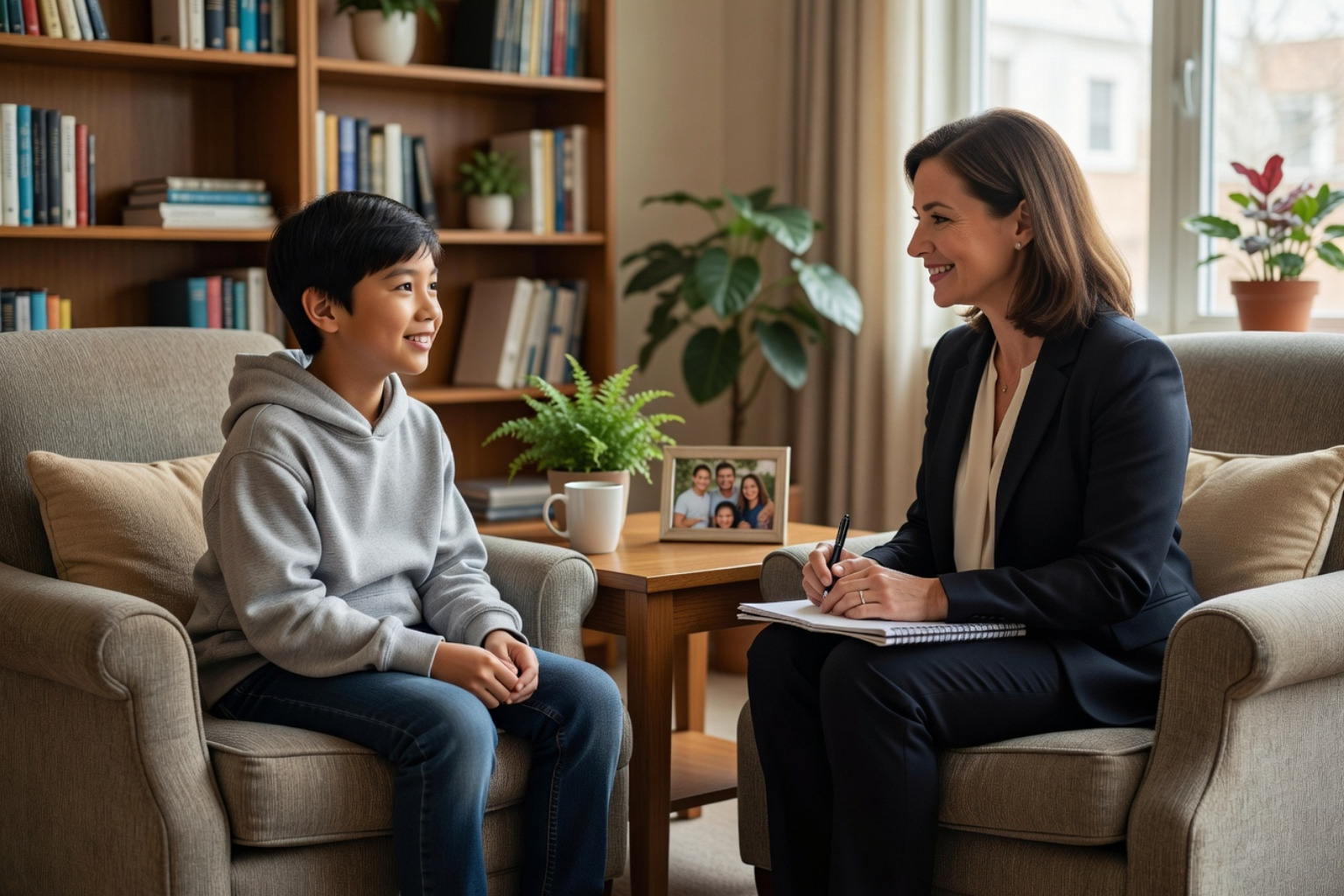
You do not have to pick “meds or natural.” For many kids, the strongest plan is an integrated one, blending evidence-based medical care with safe lifestyle and brain-based supports that match your child’s needs.
I'm Dr. Roseann Capanna-Hodge and I've spent over three decades helping families find science-backed solutions for children with ADHD and emotional dysregulation. I've seen how using evidence-based natural remedies ADHD kids can thrive with creates lasting change by calming the brain first.
Similar topics to natural remedies ADHD kids:
- can adhd cause emotional dysregulation
- dysregulated nervous system adhd
- cognitive behavioral therapy ADHD
Science-Backed Natural Remedies for ADHD in Kids
I remember Anika (not her real name), 11 years old, bright, funny, and so tired of hearing “focus” all day. By homework time, her body is buzzing, her brain is racing, and everyone ends up frustrated.
My first step was and will always be simple: let’s calm the brain first. When we talk about natural remedies ADHD kids can benefit from, we mean science-backed supports that help attention and regulation. Let’s dive in.
The Foundational Role of Diet and Nutrition
What your child eats directly impacts their brain chemistry, energy, and focus. Research links a "Western" diet (high in processed foods, unhealthy fats, and sugar) with a higher likelihood of an ADHD diagnosis. A diet rich in whole foods is a powerful tool for managing symptoms.
Here's what we recommend:
| Natural Diet Strategy | What to Do (Simple, Practical) | Why it May Help ADHD |
|---|---|---|
| Eliminate artificial colors and preservatives (trial period) | For 2 to 4 weeks, remove foods with synthetic dyes and common preservatives. Choose products labeled no artificial colors/preservatives and keep meals otherwise consistent so you can spot patterns.. | Research suggests a subset of kids are sensitive to synthetic food colors, and dietary changes help some children. A short, structured trial can reveal whether these additives worsen attention, impulsivity, or mood. |
| Focus on Whole Foods | Build meals around fruits, vegetables, lean proteins, and minimally processed staples. Cut back on refined sugar, sugary cereals, white bread, and highly processed snacks. | “Western-style” eating patterns are associated with poorer attention and more behavioral challenges. Whole foods are more nutrient-dense and help avoid blood-sugar spikes and crashes that can amplify inattention and irritability. |
| Emphasize Protein-Rich Foods | Include protein at breakfast and snacks (eggs, poultry, Greek yogurt, nuts/seeds). Pair protein with fiber for staying power. | Protein supports steadier energy and provides building blocks for neurotransmitters involved in focus and self-control, which can make it easier for kids to sustain attention during school and homework. |
| Include Complex Carbohydrates | Choose oats, brown rice, quinoa, and beans. Aim for consistent portions, especially if your child gets "hangry." | Complex carbs digest slowly, supporting stable blood sugar and calmer energy compared to the up-and-down swings of simple carbs. |
Behavior is communication. By providing nutrient-dense meals, you're giving their brain the foundation it needs to thrive.
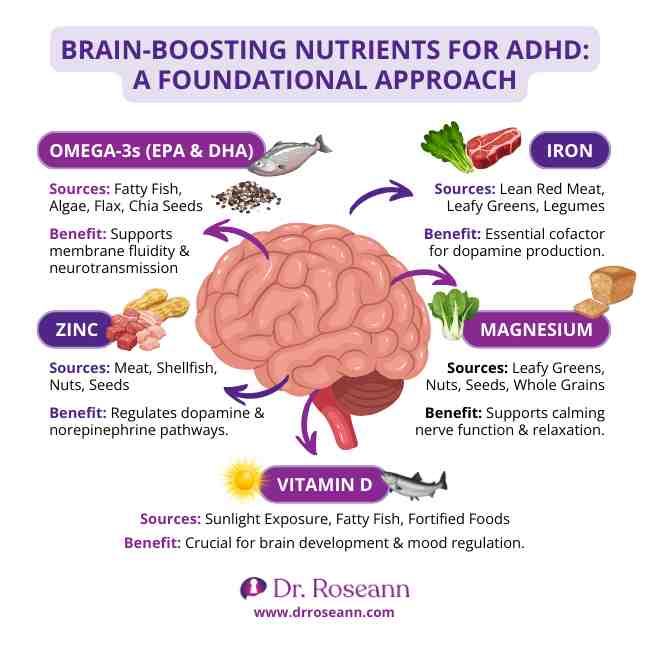
Essential Nutrients: Omega-3s, Iron, and Zinc
Beyond a healthy diet, certain nutrients play a crucial role in brain function. Children with ADHD are often at risk for nutrient deficiencies, and professionally guided supplementation can fill these gaps.
What is the role of nutritional supplements (e.g., omega-3s, vitamins, minerals) in managing ADHD?
- Omega-3 Fatty Acids (EPA and DHA): These are crucial for brain health. A large meta-analysis found that omega-3 supplementation, especially with higher doses of EPA, provides a small but significant improvement in ADHD symptoms. We often recommend 600–1000mg daily with a 2:1 EPA to DHA ratio to support attention and impulse control (Bloch & Qawasmi, 2011).
- Iron: Low iron levels are linked to ADHD symptoms, as iron is vital for producing dopamine (key for focus). In one study, iron supplementation improved ADHD symptoms in children with low iron stores. Checking ferritin levels is a smart step, especially if your child has restless legs (Konofal et al., 2008).
- Zinc: Low zinc levels are also associated with ADHD. Zinc helps regulate key neurotransmitters, and clinical studies show that supplementation can significantly improve inattention and other symptoms compared to a placebo (Arnold et al., 2004).
While a quality multivitamin is supportive, specific supplementation should always be discussed with a healthcare professional to determine if your child has a deficiency and the appropriate dosage.
The Power of Sleep, Exercise, and Routines
Simple changes can make the biggest difference. Sleep, physical activity, and predictable routines are fundamental to a calm and focused brain.
How do exercise and sleep impact ADHD symptoms?How can lifestyle modifications (e.g., screen time, routines) support ADHD management?
- Sleep, Sweet Sleep: Sleep problems are very common in children with ADHD, especially difficulty falling asleep. One study found melatonin helped children with ADHD fall asleep faster and sleep better (Van der Haijden et al., 2007). A consistent, calming bedtime routine in a dark, quiet, screen-free room is essential.
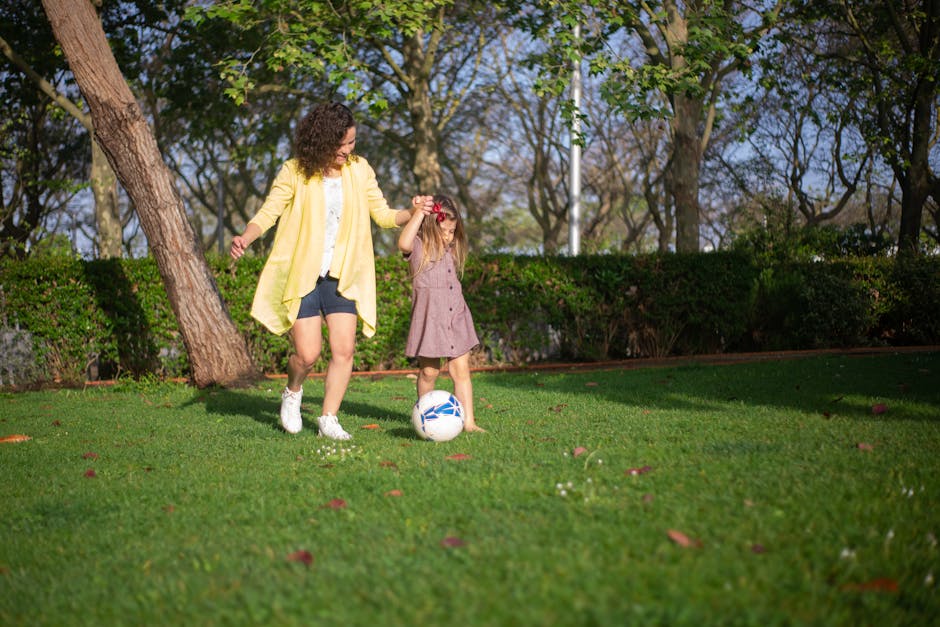
- Get Moving! Exercise is incredible for the ADHD brain. Aerobic activity and yoga can improve attention, hyperactivity, and impulsivity. Physical activity boosts BDNF, a protein that supports brain cell function. Regular exercise acts like supplemental medication, helping to regulate energy and focus.
- Routines Bring Calm: Children with ADHD thrive on predictability. Consistent daily routines for mornings, after school, and bedtime reduce anxiety and help manage symptoms by calming the brain. Use visual schedules and timers to help your child anticipate what's next, which reduces resistance.
- Mindful Screen Time: Too much screen time can worsen ADHD symptoms. One study linked over two hours of daily screen time in preschoolers to a significant increase in attention problems. Limiting screens, especially before bed, reduces overstimulation and creates space for other activities.
By optimizing these elements, you're building a healthier, more resilient brain for your child.
Calming the Brain with Neurofeedback: A Natural Remedy for ADHD Kids
Neurofeedback is a non-invasive, drug-free approach that helps children learn to self-regulate their brain activity.
What is neurofeedback and what does the research say about its effectiveness for ADHD?Neurofeedback works by monitoring brainwaves in real-time and providing feedback, allowing your child to learn how to change their brainwave patterns to a more optimal state. Think of it as a workout for the brain!
The research is compelling. A controlled study of over 100 children with ADHD found that neurofeedback led to significant, sustained improvements in inattention and impulsivity. A 6-month follow-up showed these positive changes lasted.
At Dr. Roseann, we use neurofeedback because it truly helps to "calm the brain first." It teaches children to regulate their brainwaves for better focus and less hyperactivity. This creates lasting changes, giving your child internal tools to manage their ADHD.
Mind-Body Practices for Emotional Regulation
ADHD often comes with challenges in emotional regulation. Mind-body practices offer powerful ways to build these essential skills.
What are mind-body practices like yoga and mindfulness, and how might they benefit children with ADHD?
- Yoga: Yoga combines physical postures, breathing, and meditation to help regulate the nervous system. Studies show it can improve mood, reduce anxiety, and increase impulse control in children with ADHD. A consistent practice can improve attention and reduce hyperactivity. One study found a 20-session yoga program led to significant improvements in boys with ADHD.
- Mindfulness and Meditation: Mindfulness is paying attention to the present moment. Research shows it can improve brain areas related to learning and emotion regulation. For kids with ADHD, mindfulness training can reduce attention problems and improve executive function. Simple techniques like focused breathing help children build self-awareness and manage impulses.

Creating a Safe and Effective Integrated Plan
Navigating ADHD treatments is overwhelming. Our goal is to help you create a safe, effective, and integrated plan using natural remedies ADHD kids can benefit from.
Partnering with Your Doctor and Vetting Natural Remedies for ADHD Kids
Exploring natural paths is exciting but must be done wisely. While many parents use complementary medicine for their child’s ADHD, few report it to their physician. This communication gap can be risky.
Here are some popular questions we often get from our patients who want to explore complementary medicine:
- What are the potential risks and limitations of non-prescription ADHD therapies?
- What are the potential side effects or risks associated with natural ADHD remedies?
- How can parents and caregivers determine the credibility of information about natural ADHD treatments?
- When should parents consult a doctor before trying natural remedies for ADHD?
- What are some common misconceptions about natural ADHD treatments?
Here are some quick answers for you:
- "Natural" Can Be Helpful, But Still Needs Guidance: Many families see real benefits from nutrition and lifestyle supports, and it’s smart to stay safety-minded. Even natural supplements can cause side effects or interact with medications, sometimes changing how the body processes them and making drugs more or less potent.
- Quality Can Be Great (But Varies): Some supplements are made to high standards and can be helpful, but because FDA oversight is limited, purity and potency can differ between brands.
- Common Misconceptions:
- "A natural remedy will cure ADHD": ADHD is a lifelong condition. Natural remedies can significantly manage symptoms and improve quality of life, but they don't "cure" it.
- "It works for everyone": Every child is unique. No single treatment works for all. An individualized plan is key.
- "Secret formulas" or "miracle cures": Be wary of products promising "miracle cures." Credible science is transparent.
- Lack of side effect information: Be cautious if a treatment claims to have zero side effects. Every active substance can have an effect.
- The Importance of Professional Guidance: You should always consult your child's doctor or a qualified healthcare professional before starting any new natural remedy or supplement. This is essential for safety, ensuring correct dosage, confirming the diagnosis, and creating a comprehensive, integrated plan that combines the best of all approaches.
Navigating the options is overwhelming, but you're not alone. Our team at Dr. Roseann is here to help you understand the science and build an integrated plan for effective results. Let’s work together to calm the brain first, so your child can thrive.
If you or a loved one are in crisis, please seek immediate support:
- Call or text the 988 Suicide and Crisis Lifeline at 988.
- Text HOME to the Crisis Text Line at 741741.
Frequently Asked Questions
Can ADHD be cured naturally?
No, ADHD is a lifelong neurodevelopmental condition and cannot be “cured.” However, many natural remedies and lifestyle changes can significantly manage and reduce symptoms, helping your child thrive at home and school. It’s about effective management, not a cure.
How long does it take for natural remedies to work for ADHD?
It varies for every child. You might see improvements from dietary changes within a few weeks. Supplements and therapies like neurofeedback often show the best results after 1–3 months of consistent use. Patience and consistency are your best friends on this journey.
Are natural remedies for ADHD safe for all kids?
Not always. “Natural” doesn’t automatically mean “safe.” Some supplements and herbs can have side effects or interact with medications. This is why it is absolutely critical to partner with a qualified healthcare professional to create a safe and effective plan for your child. You’re not alone in this.
What is the best first step for parents interested in natural ADHD remedies?
Start by learning and observing—track your child’s behaviors, sleep, and diet. Consult with a trusted professional who understands both conventional and integrative approaches. Behavior is communication, and every child’s path to calm is unique.
How can I support my child’s emotional regulation at home?
Create predictable routines, prioritize sleep, encourage movement, and practice calming techniques together. Celebrate small wins and remember: you are your child’s best advocate. Let’s calm the brain first, and the rest will follow.
Citations
Arnold, L. E., DiSilvestro, R. A., Bozzolo, D., Bozzolo, H., Crowl, L., Fernandez, S., Ramadan, Y., Thompson, S., Mo, X., Abdel-Rasoul, M., & Joseph, E. (2011). Zinc for attention-deficit/hyperactivity disorder: Placebo-controlled double-blind pilot trial alone and combined with amphetamine. Journal of Child and Adolescent Psychopharmacology, 21(1):1–19. https://doi.org/10.1089/cap.2010.0073
Bloch, M. H., & Qawasmi, A. (2011). Omega-3 fatty acid supplementation for the treatment of children with attention-deficit/hyperactivity disorder symptomatology: A systematic review and meta-analysis. Journal of the American Academy of Child and Adolescent Psychiatry, 50(10):991–1000. https://doi.org/10.1016/j.jaac.2011.06.008
Konofal, E., Lecendreux, M., Deron, J., Marchand, M., Cortese, S., Zaïm, M., Mouren, M.-C., & Arnulf, I. (2008). Effects of iron supplementation on attention deficit hyperactivity disorder in children. Pediatric Neurology, 38(1):20–26. https://doi.org/10.1016/j.pediatrneurol.2007.08.014
Konofal, E., Lecendreux, M., Deron, J., Marchand, M., Cortese, S., Zaïm, M., Mouren, M.-C., & Arnulf, I. (2008). Effects of iron supplementation on attention deficit hyperactivity disorder in children. Pediatric Neurology, 38(1):20–26. https://doi.org/10.1016/j.pediatrneurol.2007.08.014
Van der Heijden, K. B., Smits, M. G., Van Someren, E. J. W., Ridderinkhof, K. R., & Gunning, W. B. (2007). Effect of melatonin on sleep, behavior, and cognition in ADHD and chronic sleep-onset insomnia. Journal of the American Academy of Child & Adolescent Psychiatry, 46(2):233–241. https://doi.org/10.1097/01.chi.0000246055.76167.0d
Always remember… “Calm Brain, Happy Family™”
Disclaimer: This article is not intended to give health advice and it is recommended to consult with a physician before beginning any new wellness regime. *The effectiveness of diagnosis and treatment vary by patient and condition. Dr. Roseann Capanna-Hodge, LLC does not guarantee certain results.
Are you looking for SOLUTIONS for your struggling child or teen?
Dr. Roseann and her team are all about science-backed solutions, so you are in the right place!