%20.png)



Estimate reading time: 8 minutes
L tyrosine adderall substitute searches have exploded across social media, with TikTok creators calling it "liquid Adderall" and parents desperately seeking natural alternatives to prescription stimulants. But can an amino acid really replace one of the most prescribed ADHD medications?
Quick Answer: Is L-Tyrosine a True Adderall Substitute?
No. Here's what you need to know:
- L-Tyrosine provides building blocks for dopamine production
- Adderall directly increases dopamine levels in the brain
- Research shows L-tyrosine has limited effectiveness for ADHD symptoms
- A 1987 study found tolerance developed within 6-8 weeks
- Experts confirm it does not have a significant effect in the brain like stimulants do
- Biggest risk: ADHD goes untreated, leading to academic and social challenges
If you're exhausted from trying treatment after treatment for your child's ADHD, you deserve clear answers about what actually works. Many parents turn to supplements like L-tyrosine because they're worried about stimulant medication side effects or simply haven't found effective solutions yet.
I'm Dr. Roseann Capanna-Hodge and I've spent over three decades helping families find evidence-based solutions for children with ADHD, anxiety, and focus challenges. Through my clinical work, I've seen countless parents explore the l tyrosine adderall substitute question, and I'm here to give you the science-backed truth about whether this amino acid can deliver the game-changing results your family needs.

The Brain Chemistry of ADHD: Why Dopamine Matters
If you've ever wondered why your child can hyperfocus on video games for hours but can't seem to sit still for homework, the answer lies in brain chemistry—specifically, in tiny chemical messengers called neurotransmitters.
ADHD (Attention-Deficit/Hyperactivity Disorder) is a neurodevelopmental disorder that affects how the brain develops and functions. It's not about laziness or poor parenting—it's about actual differences in brain wiring. Children with ADHD struggle with inattention (difficulty focusing and staying on task) and hyperactivity (excessive movement and impulsivity). The American Psychiatric Association describes how these symptoms can show up differently in each child, from the daydreamer who misses instructions to the child who can't stay seated at the dinner table.
https://www.youtube.com/watch?v=Muu9xDeG3vA
Here's where dopamine enters the picture. Think of neurotransmitters like dopamine and norepinephrine as the brain's text messaging system. They carry important signals between brain cells, telling your child's brain when to pay attention, feel motivated, and control impulses. These chemical messengers are absolutely essential for focus, motivation, and executive function—the mental skills that help us plan, organize, and follow through on tasks.
The problem in ADHD? The brain's dopamine system isn't working efficiently. Research points to what scientists call the dopamine deficiency theory, which suggests that people with ADHD have lower dopamine function in key brain regions (Gold et al., 2015). It's not necessarily that they have less dopamine floating around—it's more that the dopamine they do have isn't being used effectively.
This dopamine connection is exactly why people search for an l tyrosine adderall substitute. If ADHD involves dopamine dysfunction, and L-tyrosine is a building block for dopamine production, it seems logical that it might help, right?
Well, that's the million-dollar question we're about to explore. Because understanding how different substances affect dopamine is the key to knowing whether L-tyrosine can truly deliver the results your child needs—or whether it's just another supplement that sounds good in theory but falls short in practice.
Evaluating the "L-Tyrosine Adderall Substitute" Claim: Science vs. Hype
I get it. When you're watching your child struggle with focus and attention, the idea of a natural solution feels like a lifeline. Especially when social media influencers are calling L-tyrosine "liquid Adderall" and promising results without a prescription. But here's what I've learned in three decades of working with families: the loudest claims don't always match the science.
Let's look at what's really happening when someone calls L-tyrosine an l tyrosine adderall substitute.

Mechanism of Action: Building Block vs. Direct Stimulant
To understand whether L-tyrosine can truly replace Adderall, we need to look at how each one actually works in your child's brain. The difference is significant.
L-Tyrosine is a building block. It's an amino acid that your body uses to make dopamine, norepinephrine, and epinephrine. You can find it naturally in protein-rich foods like eggs, fish, chicken, cheese, and beans. When you take L-tyrosine, your body converts it into L-DOPA, which then becomes dopamine. That dopamine can transform further into norepinephrine and epinephrine.
Think of it this way: L-tyrosine provides the raw materials. It's like delivering bricks to a construction site and hoping the workers will build something with them.
Stimulant medications like Adderall work completely differently. Adderall is an FDA-approved prescription containing amphetamine salts. It doesn't just provide building blocks. Instead, it directly and powerfully increases dopamine and norepinephrine activity in the brain through two mechanisms: it increases the release of these neurotransmitters from nerve cells, and it blocks their reuptake, keeping them active in the brain for longer.
Using our construction analogy, Adderall is like making the workers build faster with the bricks already there, while also bringing in more workers and keeping them on the job longer. The effect is immediate, robust, and measurable.
This fundamental difference in mechanism is why calling L-tyrosine an l tyrosine adderall substitute is misleading at best.
_compressed.png)
Effectiveness: What Does the Research Say About the L-Tyrosine Adderall Substitute?
Here's where things get really interesting. When I dig into the research on L-tyrosine for ADHD with families, I'm always struck by how little evidence actually exists. We're talking about roughly two studies, with the most substantial one dating back to 1987.
The most frequently cited study on L-tyrosine and ADHD comes from 1987. In this small trial, some adults showed short-term improvement in attention during the first couple of weeks. But the benefits didn’t last. By six weeks, the brain appeared to adapt, symptoms returned, and the researchers concluded that L-tyrosine was not effective as a long-term ADHD treatment. Even the strongest study available doesn’t support L-tyrosine as a reliable substitute for stimulant medication (Reimherr et al., 1987).
A later study looked at whether children with ADHD were low in tyrosine to begin with. Researchers measured amino acid levels in children with and without ADHD and found no meaningful differences. This suggests that ADHD isn’t caused by a tyrosine deficiency—and without a deficiency to correct, supplementing with L-tyrosine is unlikely to meaningfully improve symptoms (Bergwerff et al., 2016).
Compare this to stimulant medications, which have decades of rigorous research supporting their effectiveness. Adderall and similar medications are FDA-approved precisely because they've demonstrated consistent, significant improvements in core ADHD symptoms like inattention, hyperactivity, and impulsivity. The evidence base is simply incomparable.
The bottom line? The research doesn't support L-tyrosine as an effective ADHD treatment, let alone as an l tyrosine adderall substitute.
Comparing Side Effects, Risks, and Regulation
Every treatment decision involves weighing potential benefits against risks and a good discussion with your physician. This is where understanding the full picture becomes crucial for your family.
L-tyrosine is generally well-tolerated when taken at recommended doses. Side effects tend to be mild and include nausea, headaches, insomnia, restlessness, and stomach upset. Some people experience anxiety, high blood pressure, or skin flushing.
But here's what concerns me more: L-tyrosine has important medication interactions. It should never be combined with MAOIs (a class of antidepressants) because of the risk of dangerously high blood pressure. It also interacts with thyroid medications and levodopa, a Parkinson's medication. While there aren't known direct interactions between L-tyrosine and stimulant medications, combining them without medical supervision could amplify stimulant effects since both affect dopamine pathways.
Stimulant medications like Adderall have a more extensive side effect profile. Common issues include reduced appetite, sleep disturbances, anxiety, and increased heart rate or blood pressure. For the roughly 50% of children with ADHD who also struggle with anxiety, stimulants can sometimes complicate symptom management. Additionally, Adderall is a Schedule II controlled substance with potential for misuse, though addiction risk is lower when taken as prescribed for ADHD.
The regulation difference is absolutely critical. Prescription medications undergo rigorous FDA testing for safety, efficacy, and quality control. The FDA's oversight of dietary supplements is far less stringent. There are no established protocols guaranteeing the purity, potency, or accurate labeling of supplements like L-tyrosine. What's on the label might not match what's in the bottle. As the FDA itself advises, "It's always a good idea to check with your doctor before you begin taking any supplements."
_compressed.jpeg)
Here's a quick comparison to help you see the differences clearly:
FeatureL-Tyrosine (Supplement)Stimulant Medications (e.g., Adderall)MechanismProvides building blocks for neurotransmitter synthesisDirectly increases release and blocks reuptake of neurotransmittersADHD EfficacyLimited, short-lived, and inconclusive research for ADHDProven efficacy for core ADHD symptoms (decades of research)Side EffectsGenerally mild (nausea, headache, insomnia); interactions with MAOIs, thyroid medsMore significant (appetite loss, sleep issues, anxiety, heart effects); potential for misuseRegulationNot FDA-approved for safety/efficacy; inconsistent qualityFDA-approved; rigorous testing and oversightCostVaries; generally lower per dose (OTC)Varies; often covered by insurance (prescription)
I understand why parents are searching for an l tyrosine adderall substitute. The concerns about stimulant medications are valid. But the science tells us clearly that L-tyrosine cannot replace the proven effectiveness of FDA-approved treatments for ADHD. The bigger risk isn't trying a supplement that doesn't work. It's that your child's ADHD remains undertreated while you're experimenting with unproven approaches.
Safe Use of L-Tyrosine and Other Natural ADHD Strategies
If you're considering L-tyrosine after reading about its limitations, you're probably wondering: "Is there any safe way to use it?" Or perhaps more importantly: "What other natural options actually have evidence behind them?"
Let's be clear from the start—given the limited evidence for L-tyrosine as a primary ADHD treatment, approaching its use requires caution and professional guidance. The same goes for any natural strategy you're considering for your child.
Proper Dosing and Safety for L-Tyrosine
Here's the challenge with L-tyrosine: there is no established dosage specifically for ADHD because its efficacy for the condition simply hasn't been proven. When researchers have studied L-tyrosine for general cognitive support in adults, they've used doses ranging from 500 to 2000mg per day. Typically, it's recommended to take L-tyrosine on an empty stomach for better absorption, though you should always follow specific product instructions.
But here's what I want you to hear loud and clear: we strongly advise against self-prescribing or using L-tyrosine for ADHD without consulting a healthcare professional. This is especially critical for children, where research on L-tyrosine in pediatric populations is practically nonexistent.
Who should avoid L-tyrosine or use it with extreme caution? If your child falls into any of these categories, L-tyrosine could pose real risks. People with thyroid conditions need to be particularly careful—L-tyrosine is involved in thyroid hormone production, which means it could interfere with thyroid medication or worsen conditions like hyperthyroidism or Grave's disease. Anyone taking MAOIs (a class of antidepressants) should avoid L-tyrosine entirely, as this combination can lead to a dangerous spike in blood pressure.
L-tyrosine can also compete with Levodopa (a Parkinson's medication) for absorption, making that treatment less effective. For individuals with melanoma, there are concerns that L-tyrosine, being a precursor to melanin, could potentially worsen the condition. And if you're pregnant or breastfeeding, safety simply hasn't been established.
The bottom line? Even "natural" supplements can have powerful effects and real risks. Natural doesn't automatically mean safe for everyone.
Beyond the L-Tyrosine Adderall Substitute: Other Natural Strategies for ADHD
L-tyrosine is an important amino acid. Yes, it serves as a building block for dopamine and other neurotransmitters. But providing building blocks simply isn't the same as effectively treating a complex neurodevelopmental disorder.
While L-tyrosine may not be the game-changing solution for ADHD, that doesn't mean we should dismiss all natural approaches. Many parents are looking for holistic ways to support their children, and some strategies actually have solid research behind them.
Magnesium is an essential mineral known for its calming properties on the nervous system. Research suggests that magnesium supplementation can help regulate neurotransmitters and has been studied for its potential to reduce hyperactivity and improve attention in children with ADHD. The Effects of Magnesium Supplementation highlights its diverse physiological roles in the body.
Zinc plays a vital role in dopamine regulation and neurotransmitter production. Clinical research indicates that zinc supplementation for ADHD can improve the effectiveness of conventional ADHD treatments, particularly in individuals with a confirmed zinc deficiency. Typical adult supplementation ranges from 8-11mg per day, but testing is important to determine actual need rather than supplementing blindly.
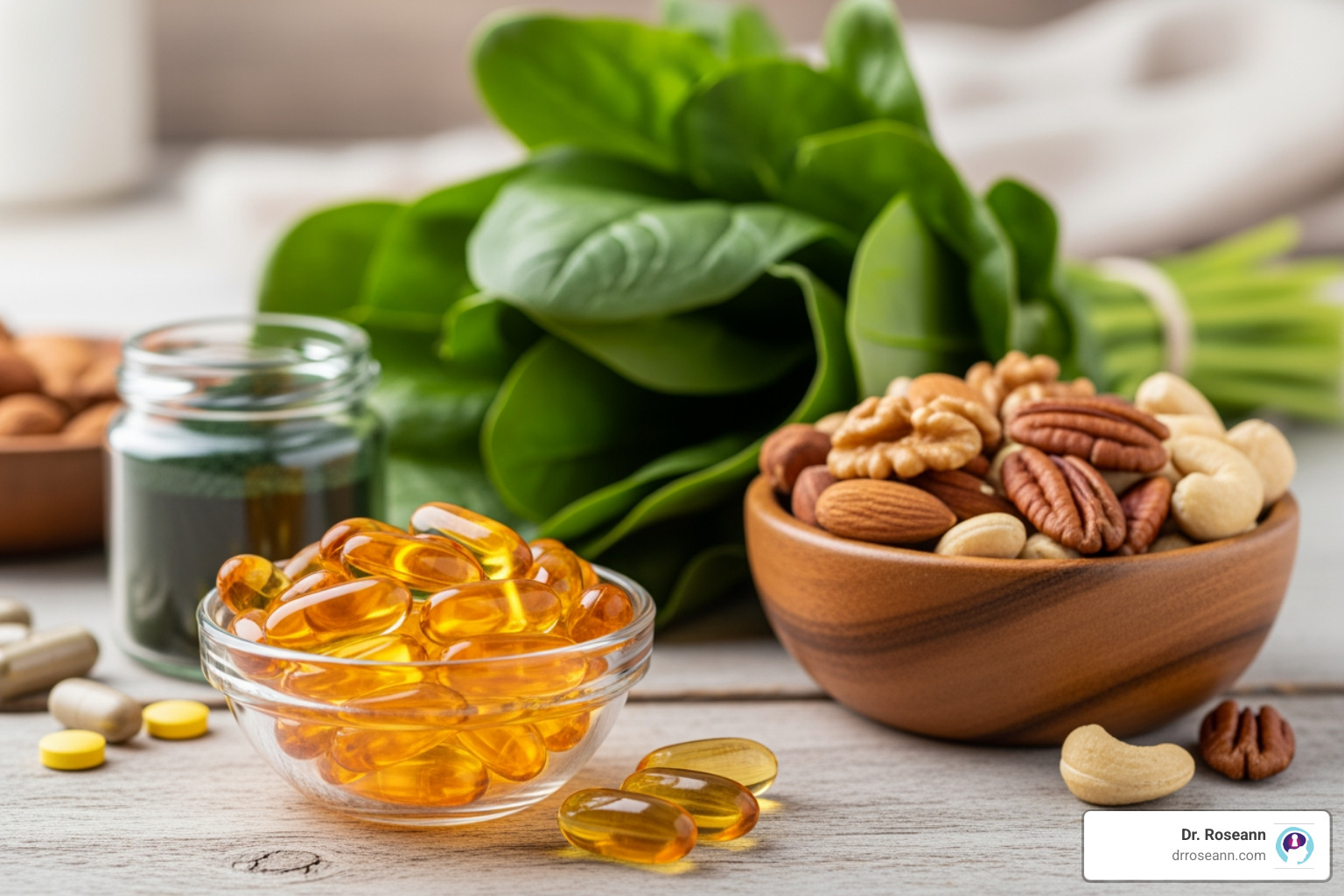
Omega-3 fatty acids, found in fish oil, flaxseed, and some nuts, are crucial for brain health. Studies have shown they can support cognitive function, attention, and reduce hyperactivity in some individuals with ADHD.
But here's what I've learned after three decades of working with families: supplements alone rarely create the change parents are hoping for. The real foundation for managing ADHD symptoms lies in lifestyle factors that might seem simple but are incredibly powerful.
Diet matters more than most people realize. Emphasizing whole, unprocessed foods while avoiding excessive sugar and artificial additives can significantly impact mood and focus. I've seen children's behavior change dramatically just from cleaning up their nutrition.
Exercise is one of the most powerful natural remedies for ADHD symptoms. Regular physical activity improves attention, reduces impulsivity, and boosts mood—all without a prescription. Even 20-30 minutes of movement can make a noticeable difference in your child's ability to focus.
Sleep is non-negotiable for brain health and optimal cognitive function, especially for children with ADHD. Consistent, quality sleep isn't just about feeling rested—it's about giving the brain the time it needs to consolidate learning and regulate emotions.
The Verdict: Finding a Real Game-Changing Solution for ADHD
At the center, we believe in a comprehensive, holistic approach to child neurodevelopmental health. We integrate various evidence-based strategies to support your child's unique needs, moving beyond the one-size-fits-all approach. You can find more info about our holistic treatment approach and how we create personalized plans that actually work.
Instead of experimenting with unproven supplements, I encourage you to seek a comprehensive, professional evaluation. This is how we identify what's truly happening in your child's brain and what interventions will actually make a difference. Every child's ADHD presents differently, and cookie-cutter approaches—whether that's a supplement or a one-size-fits-all medication protocol—rarely deliver the transformative results families are seeking.
Our approach emphasizes advanced, non-pharmacological interventions like neurofeedback, which directly targets brain function to improve attention, focus, and self-regulation. We're not masking symptoms; we're addressing the underlying neurological patterns that contribute to ADHD challenges. This means lasting relief and real skill-building that empowers children to thrive, not just cope.
The truth is, while the search for an l tyrosine adderall substitute might lead you down the supplement aisle, the most effective approach often involves a combination of professional guidance, targeted interventions, and foundational lifestyle changes that support your child's developing brain.
If you're ready to move beyond unproven supplements and find evidence-based strategies that genuinely help your child with ADHD, I invite you to learn more about our Neurofeedback programs for ADHD. Let's work together to find a solution that truly changes the game for your family—one backed by science, personalized to your child's needs, and designed to deliver the results you've been searching for.
Frequently Asked Questions
Can you take L-tyrosine with stimulant medication?
Here’s the honest answer: while there are no known direct drug interactions between L-tyrosine and common ADHD stimulants like Ritalin or Adderall, that doesn’t mean it’s safe to combine them on your own. Always seek medical supervision.
Is L-tyrosine safe for children with ADHD?
For now, we don’t have enough research to answer this question confidently. The limited studies on L-tyrosine for ADHD have primarily focused on adults, and even those studies are scarce and inconclusive.
What we do know is telling. A 2016 study examined tyrosine levels in children with ADHD and found something important: most children with ADHD have completely normal levels of tyrosine in their blood. This suggests that a deficiency of this amino acid isn’t actually part of the ADHD picture for most kids.
If L-tyrosine boosts dopamine, why isn’t it effective for ADHD?
Yes, L-tyrosine is a building block for dopamine. But here’s the catch: the brain is incredibly smart about regulating how much dopamine it produces. It’s called a rate-limiting step in biochemistry. Essentially, your brain will only convert L-tyrosine into dopamine at a certain rate, regardless of how much L-tyrosine you throw at it. It’s like having a factory that can only produce a certain number of widgets per hour, no matter how many raw materials you pile up outside.
Citations:
Bergwerff, CE., Luman, M., Blom, HJ., Oosterlaan, J. (2016). No Tryptophan, Tyrosine and Phenylalanine abnormalities in children with Attention-Deficit/Hyperactivity Disorder. PLoS One, 11(3):e0151100. https://doi.org/10.1371/journal.pone.0151100.
Gold, M. S., Blum, K., Oscar–Berman, M., & Braverman, E. R. (2014). Low dopamine function in Attention Deficit/Hyperactivity Disorder: should genotyping signify early diagnosis in children? Postgraduate Medicine, 126(1), 153–177. https://doi.org/10.3810/pgm.2014.01.2735
Reimherr, FW., Wender, PH., Wood, DR., Ward, M. (1987). An open trial of L-tyrosine in the treatment of attention deficit disorder, residual type. Am J Psychiatry, 144(8):1071-3. https://doi.org/10.1176/ajp.144.8.1071
Always remember… “Calm Brain, Happy Family™”
Disclaimer: This article is not intended to give health advice and it is recommended to consult with a physician before beginning any new wellness regime. *The effectiveness of diagnosis and treatment vary by patient and condition. Dr. Roseann Capanna-Hodge, LLC does not guarantee certain results.
Are you looking for SOLUTIONS for your struggling child or teen?
Dr. Roseann and her team are all about solutions, so you are in the right place!