



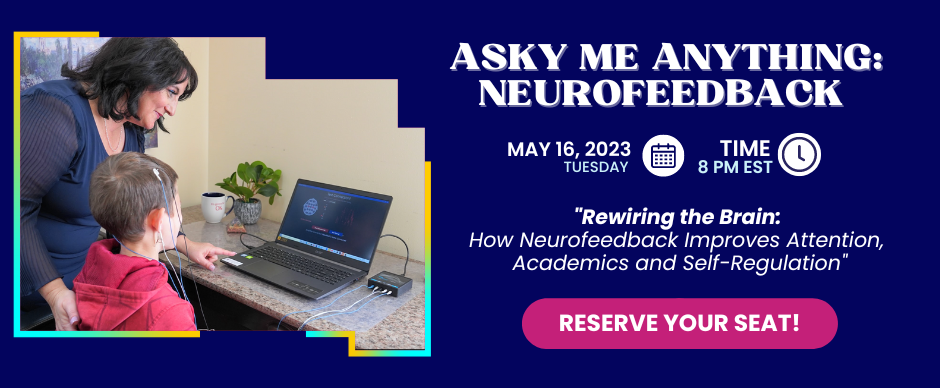
We share the same goal of parents for their kids. We want our kids – no matter what age they are – to get better and have good mental health. The good thing is that we don’t have to worry about that so much anymore because that’s what neurofeedback providers all over the world do.
Tens and thousands of research studies show the efficacy of neurofeedback. It just goes to show how much of a powerful, innovative tool it is. In fact, neurofeedback can be used even for those without any mental health issues.
In order for us to be able to assure ourselves, our kids, and our family that everything’s gonna be okay, we have to know what to look for in a neurofeedback provider. This is important to achieve the expected positive results that we want.
There are providers all over the world. How do I find a certified neurofeedback provider?
The good thing about neurofeedback treatment is that it is available for us and that there are providers all over the world. However, some of them are certified, whereas some are not.
The best place to start looking for a certified neurofeedback provider is through Biofeedback Certification International Alliance (BCIA). It is an organization that issues certificates for biofeedback providers. BCB designates Board Certified in Biofeedback. On the other hand, BCN designates Board Certified in Neurofeedback.
Another way to find a good certified provider is through Google Search. We know how many resources there are on the internet, especially through Google. So you’re just a few clicks and a few searches away from finding good providers near you.
What do we know about certified neurofeedback providers?
To be a certified provider, applicants must first comply with the requirements and meet the criteria set by the BCIA. If the provider you’re talking to is certified, then that means they’ve met the strict criteria that have been set.
It also means that they've worked with a certain number of people and gone through a certain number of mentoring hours. And so, some of our worries about our kids getting the treatment are eased because we know that they are going to be in good hands.
It’s our job to support them when they’re here, but we need your help understanding them better.
It is important to have realistic expectations about what the outcomes are if you’re meeting with someone who doesn’t have any experience in the field of mental health, specifically neurofeedback. It is concerning how they would manage children’s behaviors.
Usually, when parents come to the clinic, they won’t come in, and they just stand at the door apologizing. Parents have to remember that it’s the job of neurofeedback providers to support them.
Although, parents should help the providers as well. They should help with understanding their kids better and what their motivators are. This process creates the best results.
What to Look For in a Neurofeedback Provider
Besides having the official certification for being a neurofeedback provider, what parents should look out for are the experiences of the provider.
You have to ask if they have experiences with the mental health condition or behavior that they have to deal with. It is also necessary to ask how many sessions will be done. If somebody says 10 sessions, you better run because it takes at least 20 sessions to see the effect.
Finding out what kind of equipment they use in their clinic is also recommended. While there is no bad neurofeedback, certain neurofeedback treatments are better for certain conditions.
For example, I feel like kids' brains do better with EEG Neurofeedback as compared to any other kind. That's what works for some populations but there are other kinds that may be great too. It really depends on the skill set of that provider and what they have to offer.
It all boils down to knowing where to look for and knowing what to look for in a neurofeedback provider. Having a neurofeedback provider will only be able to help your kids if they know what they’re doing and if they’re qualified for it.
No matter where you are in your journey, we have resources to help you!
Is It ADHD Or Something Else?
If your child is struggling in ways that make you wonder if they have ADHD, I've developed a quiz to tell you if your child has ADHD, or if it's something else that should be on your radar. It's FREE to take the quiz, and you can get your results immediately.
➡️ “Is it ADHD or something else?” Take the quiz.
➡️ Join our FREE Natural Parenting Community to receive science-backed resources for your child and family. Join here.
➡️ Get help from Dr. Roseann and her team. Apply here.