Find Your Solution
In 3 minutes, you’ll know where to start ➤
%20.png)





Estimated reading time: 6 minutes
When your child is drowning in intrusive thoughts, rituals, and fear, it can feel like nothing is working—and like OCD is running your whole home. You’re not alone. So many parents are told that OCD is “hard to treat,” but that isn’t the full story. There are solutions, and ERP therapy for OCD is the gold-standard tool that helps kids reclaim their brains.
In this episode, I break down what ERP is, why traditional talk therapy falls short, and how the right therapeutic process can actually help your child feel braver, stronger, and more in control. This is especially important for families navigating intrusive thoughts in kids and emotional dysregulation in children.
This is one of the biggest misunderstandings about ERP therapy for OCD versus traditional approaches. Talk therapy depends on logic and insight—but OCD hijacks the brain and blocks access to rational thought.
This is why insight alone does not create change.
That’s why your child can’t “talk their way out” of compulsions, no matter how smart or verbal they are. Parents often tell me they’ve spent thousands on therapy that didn’t touch the OCD. And even worse, they lost hope in the process. A dysregulated brain cannot benefit from talk-focused interventions.
Why talk therapy fails OCD
Parent Story: One mom said, “He could explain the logic perfectly in therapy, but as soon as we got home, the rituals took over again.” The brain defaults back to what feels safe. That’s exactly why ERP is needed—it breaks the loop, not just discusses it.
ERP is a structured, science-backed therapy specifically designed to treat OCD and related anxiety disorders. It gently exposes your child to their fears without allowing the OCD response, helping their brain learn: “I can handle this.”
ERP helps kids:
ERP works because it changes the brain through experience—not talk. Experience is what rewires the brain.
Want to stay calm when your child pushes every button? Become a Dysregulation Insider VIP and get the FREE Regulation Rescue Kit—your step-by-step guide to stop oppositional behaviors without yelling or giving in.
Go to www.drroseann.com/newsletter and grab your kit today.
A good ERP therapist starts with a deep intake, because so much of OCD hides in the shadows. Kids (and parents) often aren’t aware of all the small rituals or intrusive thoughts driving the anxiety. In intake, your child will create a list of:
Once patterns are uncovered, ERP becomes targeted and effective. Clarity is what drives progress.
Real-Life Scenario: A teen discovered she had five different “micro-compulsions” around homework she never noticed. Once identified, her progress skyrocketed.
Here’s the truth: ERP will feel uncomfortable, and that’s normal. About 30% of people drop out when they don’t understand that discomfort is part of rewiring the brain. Your child isn’t suffering—they’re stretching.
You can support the process by:
This discomfort is temporary. The relief and confidence that follow are lasting.
🗣️ “OCD hijacks the brain—and families. But with ERP and the right tools, kids can get better.” — Dr. Roseann
ERP isn’t just “one option”—it’s the only evidence-based therapy that rewires the OCD brain. When you understand the process, support the exposures, and avoid accommodating the rituals, your child builds real, lasting resilience.
ERP is uncomfortable, not harmful. The discomfort is brief, controlled, and leads to long-term relief.
Not typically. Talk therapy and reassurance often make symptoms worse, not better.
Many families see improvement within weeks when exposures are consistent and supported.
Yes—parent involvement is critical. Kids need guidance, structure, and non-accommodation.
Absolutely. ERP is the gold-standard, research-backed treatment for pediatric OCD.
Not sure where to start? Take the guesswork out of helping your child.
Use our free Solution Matcher to get a personalized plan based on your child’s unique needs—whether it’s ADHD, anxiety, mood issues, or emotional dysregulation. In just a few minutes, you'll know exactly what support is right for your family.
Start here: www.drroseann.com/help
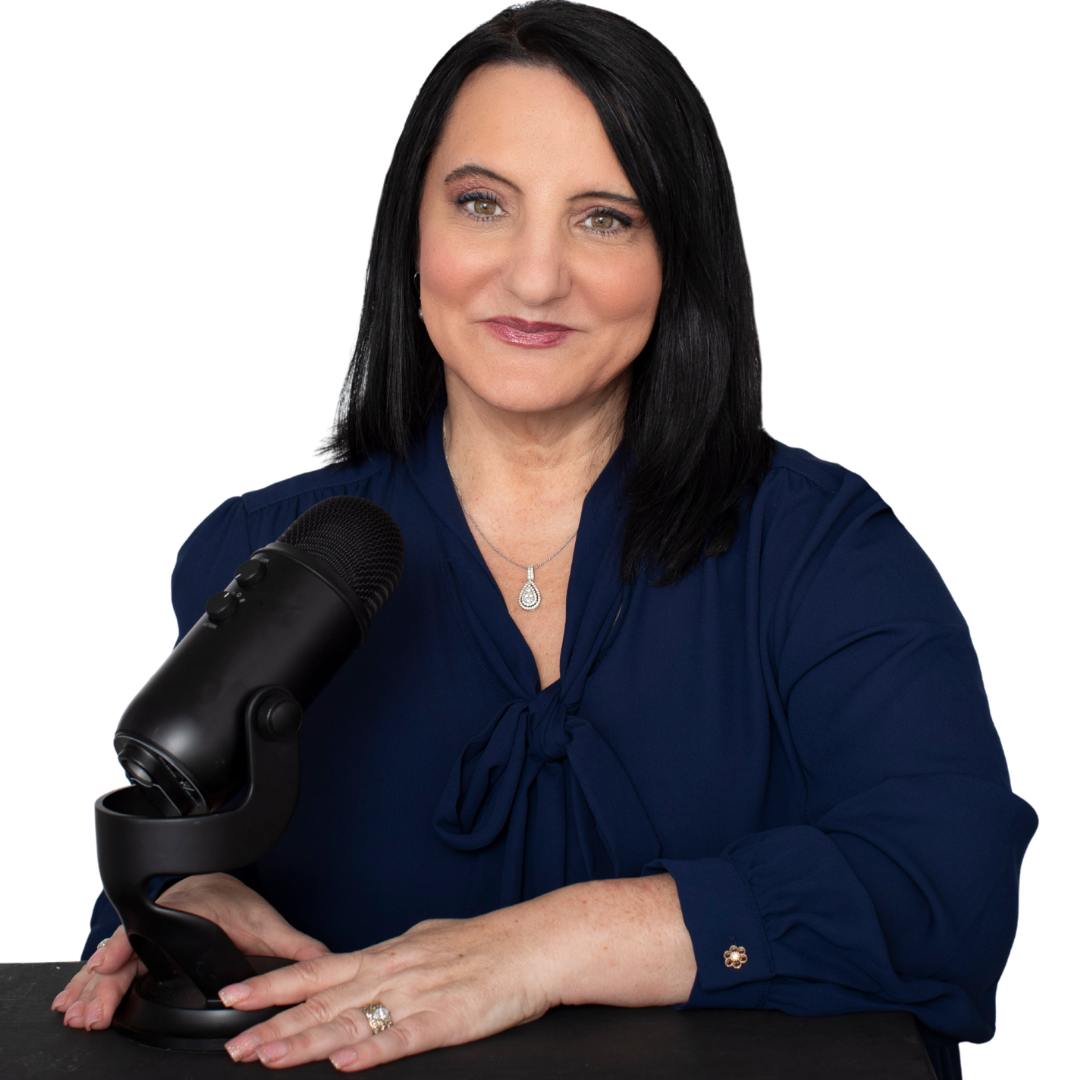
Dr. Roseann Capanna-Hodge is a licensed therapist, certified school psychologist, and leading expert in emotional dysregulation in children. With over 30 years of experience, she helps parents understand the root causes of meltdowns, anxiety, ADHD, and challenging behavior through the lens of nervous system regulation. Dr. Roseann teaches practical, science-backed strategies for co-regulation and how to calm a dysregulated child using her Regulation First Parenting™ approach. She is the host of the Dysregulated Kids Podcast and author of The Dysregulated Kid.
Dr. Roseann Capanna-Hodge
Emotional Dysregulation in Children & Nervous System Expert
Regulation First Parenting™ | CALMS Protocol™
Host of the Dysregulated Kids Podcast (Top 1% Globally)
Author of The Dysregulated Kid