
Join the Dysregulation Insider get free calm parenting tips straight to your inbox!
YES, I'M IN!Magnesium L-Threonate for Attention | Nervous System Strategies | E266





Estimated reading time: 5 minutes
If your child struggles with focus, emotional dysregulation, or an overactive mind, you’re probably exhausted from searching for answers. You’re not alone and you’re not missing something obvious. This episode dives into why magnesium L-threonate may be a powerful, brain-based tool for attention, emotional regulation, and calmer days, especially for neurodivergent kids.In this episode, you’ll learn why magnesium deficiency is so common, how magnesium L-threonate uniquely supports the brain, and how calming the brain first can unlock better focus, mood, sleep, and resilience.
Why does my child struggle with attention even when we’ve tried everything?
Many kids with attention challenges aren’t unmotivated, their brains are under-resourced. Magnesium plays a role in over 300 biochemical processes, including neurotransmitter balance and focus.Magnesium L-threonate stands out because it crosses the blood-brain barrier and directly increases brain magnesium levels, something other forms don’t do.Key takeaways:
- Low magnesium = poor focus and cognitive flexibility
- L-threonate supports synaptic plasticity, helping learning and memory
- Especially helpful for neurodivergent and anxious brains
Parent example: A child who can’t stay seated or complete tasks may actually have a brain stuck in overdrive, not defiance.
Can magnesium L-threonate really help ADHD and neurodivergent brains?
Yes and here’s why it matters. Neurodivergent kids often live in a chronically activated state, which rapidly depletes magnesium stores. Magnesium L-threonate helps:
- Reduce hyperactivity
- Improve impulse control
- Stabilize mood and emotional reactivity
By supporting neurotransmitter balance, it helps the brain respond instead of overreact.
Important reminder: It’s not bad parenting, it’s a dysregulated brain.Want to stay calm when your child pushes every button? Become a Dysregulation Insider VIP and get the FREE Regulation Rescue Kit, your step-by-step guide to stop oppositional behaviors without yelling or giving in. Go to www.drroseann.com/newsletter and grab your kit today.
Why is magnesium deficiency so common in kids and adults?
An estimated 70% of Americans are magnesium deficient, often without realizing it. Stress, infections, toxins, and modern diets all drain magnesium, especially in kids with ADHD, anxiety, or learning differences. Signs of deficiency can include:
- Brain fog
- Emotional reactivity
- Anxiety
- Poor sleep
- Difficulty focusing
Behavior is communication. A depleted brain can’t regulate well.
Does magnesium L-threonate help with emotional regulation and anxiety?
Absolutely. Magnesium L-threonate supports the parasympathetic nervous system, helping the brain shift out of fight-or-flight.That means:
- Less emotional volatility
- More cognitive flexibility
- Improved stress resilience
Real-Life Scenario: A child who melts down after school may simply need nervous system support, not more discipline.
Can magnesium L-threonate improve sleep and long-term brain health?
Yes, sleep and regulation are deeply connected. Magnesium L-threonate calms the brain at night while supporting neuroprotection during the day. Benefits include:
- Reduced neuroinflammation
- Better working memory
- Improved learning and emotional balance over time
Important note: Supplements work best when paired with skill-building therapies like OT or PT.
🗣️ “If I had to pick one supplement that truly supports attention and brain health, magnesium L-threonate would be it, because it actually gets into the brain.” — Dr. Roseann
Takeaway & What’s Next
When we calm the brain, everything follows - focus, emotions, sleep, and learning. Magnesium L-threonate isn’t a quick fix, but it addresses the root issue: brain dysregulation. It’s gonna be OK. With the right support, your child can thrive.Explore the Neurotastic® Multi-Mag Brain® Formula to support your child’s brain.

When a child struggles with attention, parents naturally look for ways to support focus—but attention isn’t simply a matter of trying harder.
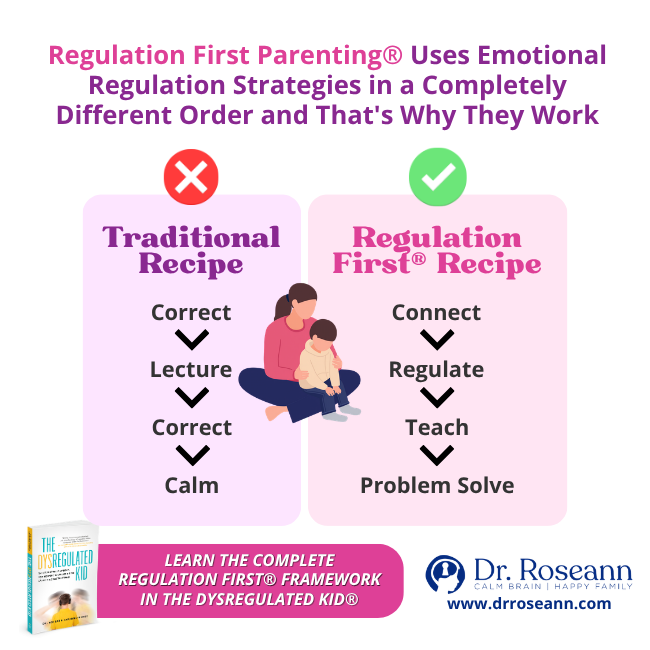
A stressed or dysregulated brain has less capacity for focus, working memory, flexibility, and executive functioning. In The Dysregulated Kid®, I show you how to support those skills from the nervous system up with practical Regulation First Parenting® strategies. Nutritional support may be one part of the picture, but regulation is the foundation that helps the brain become more available for learning and connection. Get The Dysregulated Kid® at dysregulatedkid.com
FAQs
Is magnesium L-threonate safe for kids?
Yes, when used appropriately and guided by a healthcare provider. Start low and go slow.
How long does magnesium L-threonate take to work?
Many families notice changes within weeks, especially with consistent use.
Is magnesium L-threonate better than other forms?
For brain health, yes—it uniquely crosses the blood-brain barrier.
Can magnesium replace ADHD medication?
It’s a supportive tool, not a replacement. Always consult your provider.
Feel like you’ve tried everything and still don’t have answers?The Solution Matcher helps you find the best starting point based on your child’s symptoms, behaviors, and history. It’s fast, free, and based on decades of clinical expertise.Get your personalized plan now at www.drroseann.com/help
Dr. Roseann Capanna-Hodge is a licensed therapist, certified school psychologist, and leading expert in emotional dysregulation in children. With over 30 years of experience, she helps parents understand the root causes of meltdowns, anxiety, ADHD, and challenging behavior through the lens of nervous system regulation. Dr. Roseann teaches practical, science-backed strategies for co-regulation and how to calm a dysregulated child using her Regulation First Parenting® approach. She is the host of the Dysregulated Kids Podcast and author of The Dysregulated Kid.
Dr. Roseann Capanna-Hodge
Emotional Dysregulation in Children & Nervous System Expert
Regulation First Parenting® | CALMS Protocol™
Host of the Dysregulated Kids Podcast (Top 1% Globally)
Author of The Dysregulated Kid

Find this helpful? Leave us a review!
Your feedback helps more overwhelmed parents find calm, clarity, and the proven tools that make everyday life easier.
Dr. Roseann Capanna-Hodge: Helping Families of Dysregulated Kids Thrive Through Regulation First Parenting®
As the creator of Regulation First Parenting®, she’s helping families of dysregulated kids discover a compassionate, brain-based path forward. Through The Dysregulated Kids™ Podcast (top 2% globally), she offers practical strategies that help parents understand their child’s brain and support lasting change.
Through The Global Institute of Children’s Mental Health and Dr. Roseann, LLC, she’s created resources like the Neurotastic® Brain Formulas and the Regulation First Parenting® framework—meeting families where they are and supporting them through challenges like ADHD, anxiety, OCD, PANS/PANDAS, and behavioral struggles.
Recognized by Forbes as “a thought leader in children’s mental health,” Dr. Roseann is changing how we understand emotional dysregulation in children—one family at a time.