Find Your Solution
In 3 minutes, you’ll know where to start ➤
%20.png)





Estimated Reading Time: 8 Minutes
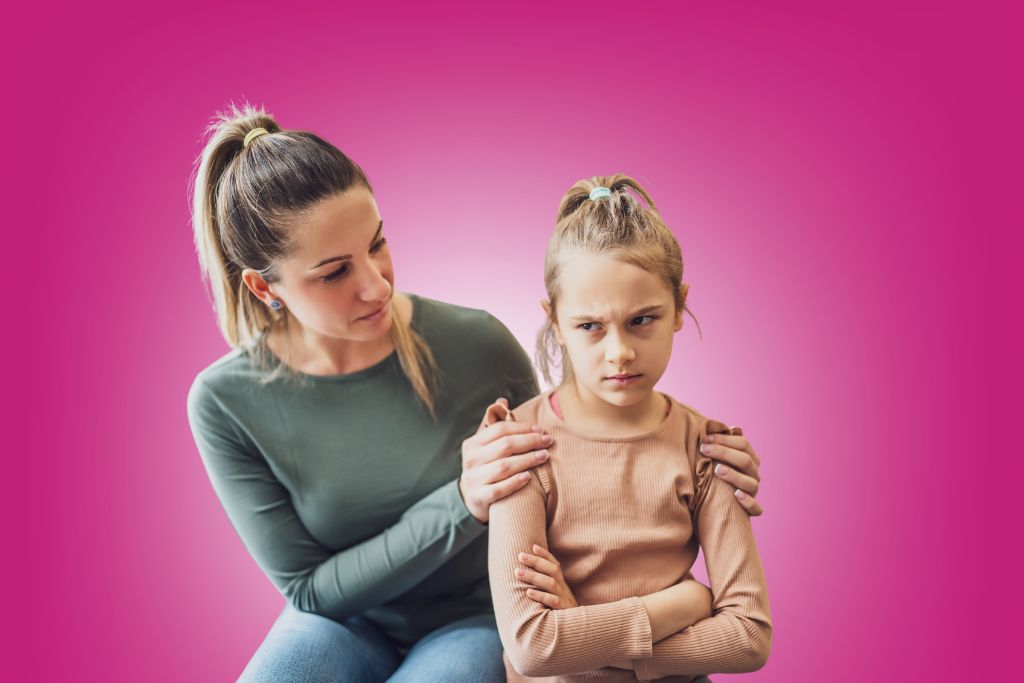
When one child is struggling with anxiety, OCD, ADHD, depression, dyslexia, emotional dysregulation, or another mental health challenge, parents often face a difficult question:
Should we tell their siblings?
Many parents worry about saying the wrong thing, sharing too much information, or making one child feel singled out.
But avoiding the conversation can create its own problems.
Children notice when something is different.
They see the meltdowns.
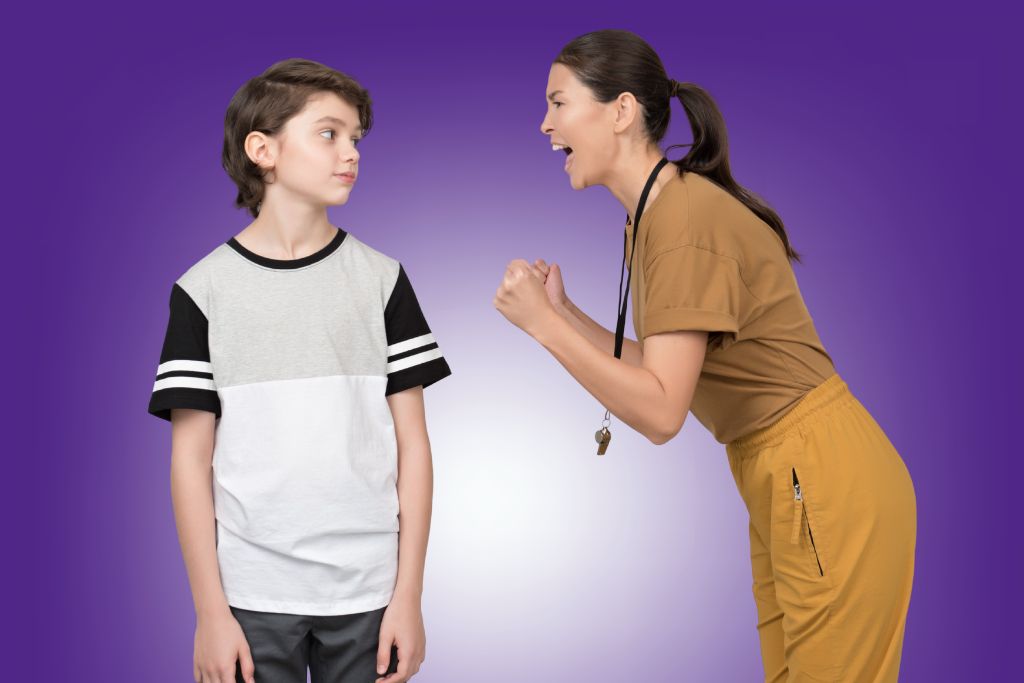
They hear the arguments.
They witness the extra appointments, accommodations, and attention.
When we don't talk about what's happening, children often fill in the blanks themselves.
In this episode, we discuss how to explain mental health issues and behavior to siblings in a way that promotes empathy, understanding, and healthy family communication.
Because open conversations help families grow stronger.
Many parents avoid discussing mental health concerns because they hope the situation will improve or because the topic feels uncomfortable.
Sometimes there is a belief that:
"If we don't talk about it, it won't affect them."
But children are incredibly observant.
They often notice:
When children don't understand what's happening, they may create explanations that are inaccurate or even frightening.
Open communication helps reduce confusion and uncertainty.
Real-Life Example
A sibling may assume a brother or sister receives different treatment because they are the favorite child rather than understanding that additional support is being provided because of a specific challenge.
When mental health concerns are never discussed, children may receive an unintended message:
We don't talk about hard things.
This can create problems such as:
Families grow stronger when children learn that challenges can be discussed openly and respectfully.
Mental health should not be treated as a secret.
Age-appropriate honesty helps children understand that struggles are part of life and that support is available when needed.
One of the easiest ways to begin is by asking children what they already know.
Start with:
These conversations should be:
You don't need to overwhelm children with clinical information.
Instead, help them understand what is happening in a way that matches their developmental level.
I often encourage parents to talk about the brain.
Children are often very receptive when we explain that different brains work differently and that some people need extra support in certain areas.
Real-Life Example
You might explain that a sibling's brain has difficulty managing worry, emotions, attention, or flexibility and that the family is helping them learn new skills.
One of the greatest gifts we can give children is empathy.
Empathy helps children:
As I often say, empathy is a sign of a great leader.
But empathy is not automatic.
It's a skill that develops over time.
Parents help build empathy by:
Children learn empathy by watching how adults respond to struggles.
Children learn far more from what we do than what we say.
If we want children to develop empathy, understanding, and compassion, we must model those qualities ourselves.
Helpful ways to model empathy include:
The way parents talk about mental health teaches children how to think about mental health.
Children are always watching.
One of the biggest challenges families face is deciding when to step in and when to step back.
There are times when children need protection.
There are also times when children need accountability.
The goal is balance.
Parents should:
Mental health challenges should never be used as an excuse to avoid growth.
At the same time, children need support while developing the skills necessary to manage their challenges.
Real-Life Example
A child with ADHD may need accommodations and support while still being expected to contribute to family responsibilities in ways that match their abilities.
Children often do better when they understand what's happening.
Information reduces uncertainty.
When siblings understand:
they often become more compassionate and less resentful.
As I often remind parents, the more knowledge we give children, the more empowered they become.
The Regulation Rescue Kit provides practical Regulation First Parenting™ tools that help reduce stress, improve emotional regulation, and create more peace at home. Become a Dysregulation Insider VIP and get your FREE kit: www.drroseann.com/newsletter
🗣️ “Children don't need perfect explanations. They need honest conversations that help them understand what's happening around them.” — Dr. Roseann
When one child is struggling, the entire family is affected.
The good news is that honest conversations can help siblings understand what is happening and strengthen family relationships.
Talk about the brain.
Talk about solutions.
Talk about support.
Talk about empathy.
Most importantly, don't avoid difficult conversations.
Children are often far more capable of understanding than we give them credit for.
Yes. Age-appropriate conversations help reduce confusion, build empathy, and strengthen family communication.
Share enough information to help siblings understand what is happening while keeping explanations age-appropriate and respectful of privacy.
Respect privacy while still helping siblings understand behaviors and family changes in a way that promotes understanding and reduces confusion.
Model empathy, discuss feelings openly, encourage perspective-taking, and provide honest explanations about challenges and differences.
Open communication helps children develop trust, understanding, emotional awareness, and healthy coping skills for dealing with difficult situations.
Not sure where to start? Use the Solution Matcher to get personalized recommendations based on your child's emotional and behavioral needs. Start here: www.drroseann.com/help
Dr. Roseann Capanna-Hodge is a licensed therapist, certified school psychologist, and leading expert in emotional dysregulation in children. With over 30 years of experience, she helps parents understand the root causes of meltdowns, anxiety, ADHD, autism, learning differences, and challenging behavior through the lens of nervous system regulation. She is the creator of Regulation First Parenting™, host of the Dysregulated Kids Podcast, and author of The Dysregulated Kid.
Dr. Roseann Capanna-Hodge
Emotional Dysregulation in Children & Nervous System Expert
Regulation First Parenting™ | CALMS Protocol™
Host of the Dysregulated Kids Podcast (Top 1% Globally)
Author of The Dysregulated Kid