
Join the Dysregulation Insider get free calm parenting tips straight to your inbox!
YES, I'M IN!Parent Roadmap: Prioritize and Plan the Best Behavioral Support for Your Child | Regulation-First Parenting | E263





Estimated Reading Time: 7 Minutes
When progress doesn't happen, it's easy to feel discouraged, overwhelmed, and unsure where to turn next.
The truth is that treatment failures don't mean your child can't improve.
Most often, they mean the plan needs to change.
Creating the right behavioral support plan starts with understanding your child's nervous system and focusing on the interventions that address root causes rather than just symptoms.
In this episode, I explain how parents can stop the cycle of trial and error, prioritize the most important issues, and build a strategic roadmap that supports lasting change.
Why do so many treatments fail?
One of the biggest frustrations parents face is investing time, energy, and money into interventions that don't create meaningful progress.
The good news is that treatment failures are not dead ends.
They're information.
Common Reasons Treatments Don't Work
- The wrong intervention was chosen
- The timing wasn't right
- Root causes weren't addressed
- Nervous system dysregulation was overlooked
- Too many interventions were introduced at once
Real-Life Example
A child attends social skills training but continues to struggle socially.
Parents assume the program failed.
In reality, the child's nervous system was so dysregulated that learning new social skills wasn't possible yet.
The issue wasn't the social skills program.
The issue was that regulation had to come first.
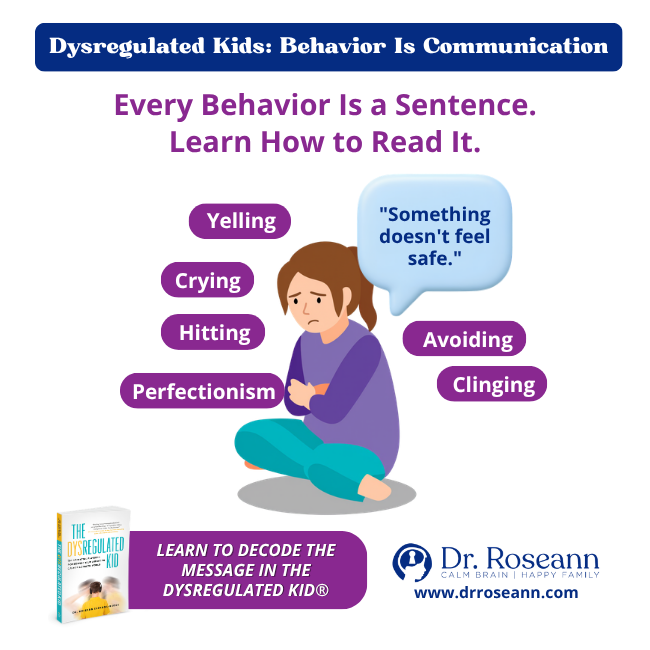
Behavior is communication.
And often treatment failure is communicating that something foundational is being missed.
Why are so many parents overwhelmed?
Parenting a struggling child is hard.
Really hard.
The emotional toll can be significant.
The Numbers Tell the Story
Research from the U.S. Surgeon General found that:
- Nearly half of parents report feeling overwhelmed
- Many parents describe feeling emotionally exhausted
- A significant number feel close to burnout
If you're feeling overwhelmed, you're not failing.
You're carrying a lot.
Why It Feels So Hard
Many parents are trying to manage:
- Emotional dysregulation
- School struggles
- Social issues
- Family stress
- Treatment decisions
all at the same time.
No wonder it feels overwhelming.
The Good News
You don't have to solve everything at once.
You need a plan.
Why does nervous system regulation come first?
One of the biggest mistakes families make is focusing on behavior before regulation.
A dysregulated brain cannot learn effectively.
What Happens When the Nervous System Is Stressed?
Children may struggle with:
- Attention
- Emotional regulation
- Learning
- Executive functioning
- Social interactions
The brain prioritizes survival over growth.
Real-Life Example
A child attends tutoring for dyslexia.
The instruction is excellent.
Yet progress remains slow.
Why?
Because the child's nervous system remains overwhelmed.
Once regulation improves, learning accelerates.
Regulation Changes Everything
When the nervous system calms:
- Focus improves
- Learning increases
- Emotional regulation strengthens
- Confidence grows
That's why Regulation First Parenting® starts with calming the brain.
🗣️ "Many treatments fail not because they're inherently flawed, but because a dysregulated nervous system blocks their effectiveness." — Dr. Roseann
Need help identifying the right next step for your child?
The Regulation Rescue Kit provides practical Regulation First Parenting® tools that help reduce emotional dysregulation, improve behavior, and support nervous system health. Become a Dysregulation Insider VIP and get your FREE kit: www.drroseann.com/newsletter
How do I prioritize what to work on first?
Many parents feel pulled in a hundred directions.
The solution is not doing more.
The solution is prioritizing.
Focus on Three Areas or Less
Start by identifying:
- The most disruptive issue
- The biggest source of stress
- The challenge most affecting daily life
Trying to solve everything simultaneously creates confusion.
Become a Parent Detective
Ask:
- What triggers my child's struggles?
- What patterns do I see?
- What has worked before?
- What hasn't worked?
Data matters.
Observation matters.
The more information you gather, the better your decisions become.
What interventions should parents consider?
There is no single intervention that works for every child.
The best approach is individualized.
Common Regulation-Supportive Interventions
Neurofeedback
Neurofeedback helps train healthier brainwave patterns and improve regulation.
PEMF
Pulsed Electromagnetic Field therapy supports nervous system regulation and recovery.
Nutritional Support
Diet and nutrient deficiencies often affect behavior, attention, and mood.
Parent Coaching
Parents need support too.
Learning co-regulation skills often changes everything.
Educational and Therapeutic Supports
The right intervention depends on the child's unique needs.
Real-Life Example
A child with dyslexia may need:
- Nervous system regulation
- Reading intervention
- Parent support
All three matter.
Not just one.
Why is family alignment so important?
One challenge many families face is disagreement about what to do next.
Parents often view the situation differently.
Common Areas of Conflict
- Whether a problem is serious
- Which treatment to pursue
- How to discipline
- Whether medication is needed
Why Alignment Matters
Children benefit most when parents:
- Share a common understanding
- Use consistent strategies
- Stay calm together
Your child doesn't need perfect parents.
They need regulated parents.
Real-Life Example
Many couples become more effective once they stop arguing about who's right and start focusing on what the child needs.
That's where progress begins.
What should parents do after multiple treatment failures?
If you've tried many interventions without success, don't lose hope.
Ask These Questions
- Was the intervention appropriate?
- Was the timing right?
- Was regulation addressed first?
- Were root causes investigated?
Remember
A failed intervention doesn't mean your child can't improve.
It often means the next step needs to be different.
Progress Is Still Possible
I've worked with countless families who arrived feeling hopeless.
Many had already tried:
- Therapy
- Medication
- Tutoring
- Parenting programs
Once we focused on nervous system regulation and developed a strategic plan, progress became possible.
Takeaway & What’s Next
If you're feeling overwhelmed, take a breath.
You don't need to solve everything today.
You need a plan.
Your child isn't giving you a hard time.
They're having a hard time.
And with the right support, the right timing, and the right strategy, meaningful change is possible.
Remember:
- Calm the brain first.
- Focus on regulation.
- Prioritize what matters most.
- Take one step at a time.
Small shifts create big results.
It's gonna be OK.
When your child is struggling, it’s easy to jump from strategy to strategy without knowing what to prioritize. The Dysregulated Kid® gives you a clear nervous-system-first roadmap so you can stop guessing and focus on the supports your child needs most. Get The Dysregulated Kid® at dysregulatedkid.com.
FAQs
What should I do if treatments haven't worked for my child?
Reassess the plan. Treatment failures often indicate that root causes haven't been addressed or that nervous system regulation needs more attention.
Why is nervous system regulation so important?
A dysregulated nervous system blocks learning, emotional regulation, and behavior change. Regulation creates the foundation for all other interventions to work.
How many issues should I focus on at once?
Start with three or fewer priorities. Trying to address too many challenges simultaneously often creates confusion and overwhelm.
How do I know which intervention is right for my child?
The best intervention depends on your child's unique symptoms, needs, and nervous system profile. Personalized assessment is key.
Can children improve after years of struggles?
Absolutely. Children can make meaningful progress at any age when interventions target the right issues and support nervous system regulation.
Not sure where to start?
Use the Solution Matcher to get personalized recommendations based on your child's emotional and behavioral needs.
Start here: www.drroseann.com/help
Dr. Roseann Capanna-Hodge is a licensed therapist, certified school psychologist, and leading expert in emotional dysregulation in children. With over 30 years of experience, she helps parents understand the root causes of meltdowns, anxiety, ADHD, and challenging behavior through the lens of nervous system regulation. Dr. Roseann teaches practical, science-backed strategies for co-regulation and how to calm a dysregulated child using her Regulation First Parenting® approach. She is the host of the Dysregulated Kids Podcast and author of The Dysregulated Kid.
Dr. Roseann Capanna-Hodge
Emotional Dysregulation in Children & Nervous System Expert
Regulation First Parenting® | CALMS Protocol™
Host of the Dysregulated Kids Podcast (Top 1% Globally)
Author of The Dysregulated Kid

Find this helpful? Leave us a review!
Your feedback helps more overwhelmed parents find calm, clarity, and the proven tools that make everyday life easier.
Dr. Roseann Capanna-Hodge: Helping Families of Dysregulated Kids Thrive Through Regulation First Parenting®
As the creator of Regulation First Parenting®, she’s helping families of dysregulated kids discover a compassionate, brain-based path forward. Through The Dysregulated Kids™ Podcast (top 2% globally), she offers practical strategies that help parents understand their child’s brain and support lasting change.
Through The Global Institute of Children’s Mental Health and Dr. Roseann, LLC, she’s created resources like the Neurotastic® Brain Formulas and the Regulation First Parenting® framework—meeting families where they are and supporting them through challenges like ADHD, anxiety, OCD, PANS/PANDAS, and behavioral struggles.
Recognized by Forbes as “a thought leader in children’s mental health,” Dr. Roseann is changing how we understand emotional dysregulation in children—one family at a time.