Logo

Find Your Solution

In 3 minutes, you’ll know where to start ➤

Join the Dysregulation Insider get free calm parenting tips straight to your inbox!

YES, I'M IN!

Effective School Refusal Strategies to Overcome School Anxiety | Nervous System Regulation | E56

April 28, 2023
School anxiety and refusal has been dramatically increasing and this phenomenon has been worrying many parents as their kids are at risk of performing poorly in academics, dropping out, and even being socially isolated.
Apple podcast subscribeCastbox subscribeSpotify subscribeAmazon music subscribeaudible subscribe
<iframe style="border-radius: 12px;" src="https://player.captivate.fm/episode/37a99cbb-8197-48a9-ac25-6ecc5284f0e3/" width="100%" height="200" frameborder="0" allowfullscreen="allowfullscreen"></iframe>

Estimated Reading Time: 6 minutes

When your child melts down every morning before school, it’s not just resistance—it’s distress. If you’re battling tears, stomachaches, or "I can’t do it" mornings, you’re not alone.

School refusal and anxiety are rising at an alarming rate, leaving parents exhausted and unsure what to do. In this episode, Dr. Roseann Capanna-Hodge explains what school refusal really is and shares practical, science-backed strategies to help your child return to school, calmly and confidently.

Why Is My Child Suddenly Refusing to Go to School?

School refusal doesn’t typically appear overnight—it creeps up. What may start as mild worry or morning resistance can quickly turn into full-blown avoidance.

This pattern often signals a dysregulated nervous system, not willful behavior.

Common Root Causes of School Refusal:

  • Anxiety, depression, OCD, or PANS/PANDAS flare-ups
  • Bullying or social stressors that make school feel unsafe
  • Learning challenges or sensory overload causing shutdown
  • Post-illness or medical fatigue that makes attending overwhelming

The key is to look beneath the behavior. A child who was an A student can suddenly struggle when their stress "bucket" overflows.

What Are the First Steps When School Refusal Starts?

When school refusal begins, the instinct is to get your child back into the classroom, but forcing attendance often makes things worse if the nervous system is still in a stressed state.

Start by Addressing the Root Cause:

  • Check-in with your child’s provider to rule out physical and emotional triggers.
  • Create a safe, non-judgmental space where your child can share their feelings. Ask: “Help me understand what feels hard about school right now.”
  • Remember: Progress is not linear. Some days will be better than others, and that’s OK.

How Can I Calm My Child’s Anxiety Before School?

When the brain is stuck in "fight, flight, or freeze" mode, logic shuts down. Helping your child regulate first can make all the difference.

Try These Simple Tools to Calm Anxiety:

  • Breathwork: Practice the 4-7-8 breathing method together each morning.
  • EFT tapping: Use gentle acupressure points to reduce anxiety in minutes.
  • Morning regulation ritual: Set aside 10 minutes for stretching, music, or outdoor time before school.
  • Parent co-regulation: Your calm presence cues your child’s nervous system that they are safe.

When your child’s nervous system calms, the school day no longer feels like an insurmountable obstacle.

How Can Schools Partner with Parents During School Refusal?

You don’t have to do this alone. Schools play a crucial role in helping children with school refusal return to learning successfully.

Dr. Roseann’s Recommendations for School Support:

  • Open communication: Share what’s happening at home—don’t hide information out of fear or shame.
  • Collaborative planning: Work with school staff to create a gradual reintegration plan. Start small and build wins.
  • Advocacy: Ask, “What supports can you provide to help my child feel safe at school?”
  • Professional support: Bring in a trusted mental-health specialist to guide next steps.

Parent Story

One parent fought to keep her child home temporarily while treating an underlying PANS condition. Once the brain calmed, the child was able to reintegrate smoothly with the right plan and support.

School refusal is not a behavior problem—it’s a sign of emotional dysregulation in children. With the right support and tools, your child can return to school with confidence, resilience, and safety.

What Dr. Roseann Says: “Mental health is the foundation of physical health. We wouldn’t ignore cancer—so we can’t ignore anxiety or depression either.” — Dr. Roseann

FAQs

What percentage of kids experience school refusal?

Studies show that about 5% of children experience school refusal, a number that has increased over the past decade.

Can high-achieving kids still experience school refusal?

Yes. Even children who excel academically can experience school refusal due to emotional, social, or neurological stressors.

How long does recovery take?

Recovery from school refusal varies, but it often requires ongoing support for emotional regulation and consistency in routines.

Should I force my child to go to school?

Forcing attendance can make school refusal worse. Focus on calming the brain first and addressing the underlying causes before returning to school.

When should I seek professional help?

If school refusal lasts more than two weeks, or if your child shows signs of severe distress (such as panic attacks, stomach pain, or depression), seek help from a licensed mental-health professional.

Next Step:

Become a Dysregulation Insider VIP and get the FREE Regulation Rescue Kit—your step-by-step guide to stop oppositional behaviors without yelling or giving in.

👉 Go to www.drroseann.com/newsletter and grab your kit today.

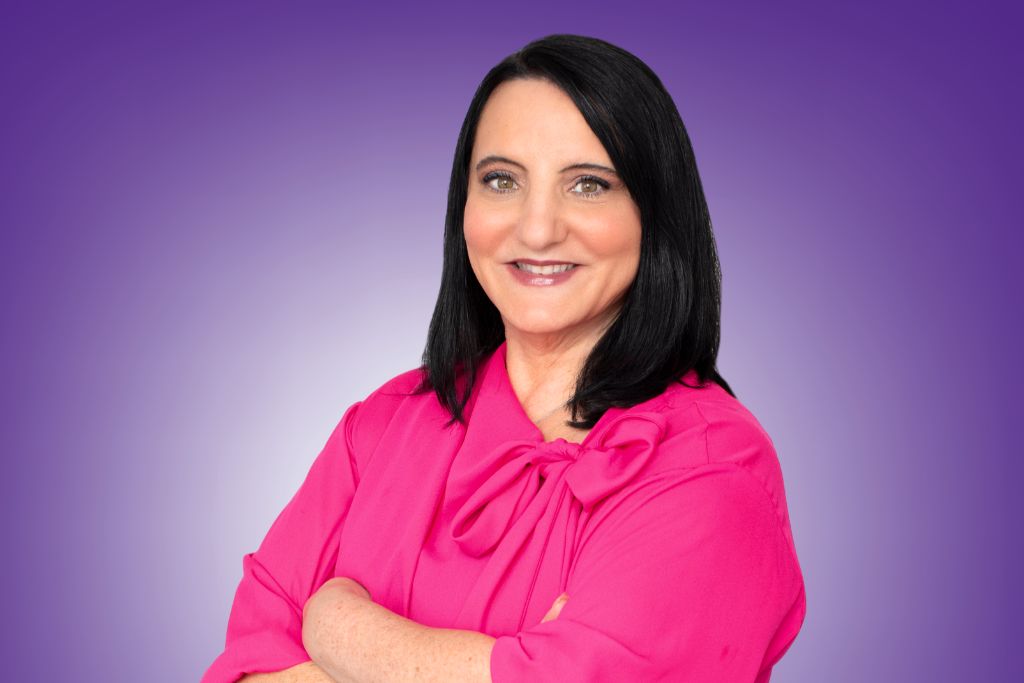
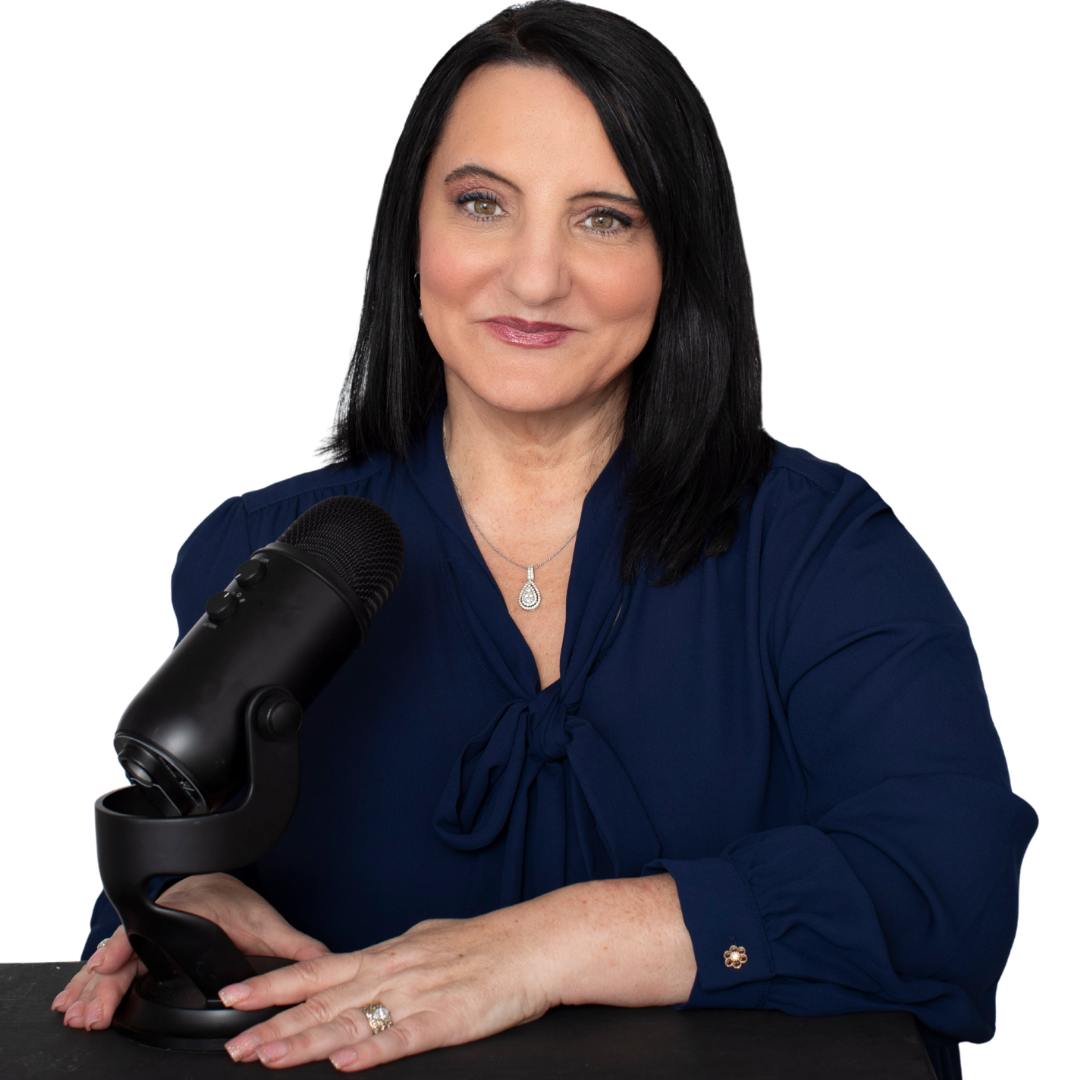
Dr. Roseann Capanna-Hodge is a licensed therapist, certified school psychologist, and leading expert in emotional dysregulation in children. With over 30 years of experience, she helps parents understand the root causes of meltdowns, anxiety, ADHD, and challenging behavior through the lens of nervous system regulation. Dr. Roseann teaches practical, science-backed strategies for co-regulation and how to calm a dysregulated child using her Regulation First Parenting™ approach. She is the host of the Dysregulated Kids Podcast and author of The Dysregulated Kid.

Dr. Roseann Capanna-Hodge
Emotional Dysregulation in Children & Nervous System Expert
Regulation First Parenting™ | CALMS Protocol™
Host of the Dysregulated Kids Podcast (Top 1% Globally)
Author of The Dysregulated Kid

Find this helpful? Leave us a review!

If you found yourself nodding along while listening, take a moment to follow and leave a quick review on Apple Podcasts.
Your feedback helps more overwhelmed parents find calm, clarity, and the proven tools that make everyday life easier.

Dr. Roseann Capanna-Hodge: Revolutionizing Children’s Mental Health

Dr. Roseann Capanna-Hodge’s podcast, It’s Gonna be OK!™: Science-Backed Solutions for Children’s Behavior and Mental Health, is in the top 2% globally. The podcast empowers parents with natural, science-backed solutions to improve children’s self-regulation and calm their brains. Each episode delivers expert advice and practical strategies, making it indispensable for parents of neurodivergent children or those with behavioral or mental health challenges.

Dr. Roseann, founder of The Global Institute of Children’s Mental Health and Dr. Roseann, LLC, created the Neurotastic™ Brain Formulas and BrainBehaviorReset® method. With her extensive experience, she provides families with hope and effective strategies to manage conditions like ADHD, anxiety, OCD, and PANS/PANDAS.

Forbes has called her “A thought leader in children’s mental health,” highlighting her revolutionary impact on mental health education and treatment. Through her podcast and innovative methods, Dr. Roseann continues to transform how we approach, treat and understand children’s mental health.
Drrosean speech

More Podcast Episodes: