Find Your Solution
In 3 minutes, you’ll know where to start ➤
%20.png)












Your child isn’t giving you a hard time.
They’re having a hard time.
Easily upset over small things.
Struggles to stay focused.
Shuts down when overwhelmed.
Turns every little thing into a battle.
There’s a reason why this keeps happening.
And it’s not what most people think.
Behavior is the signal.
What most people call a behavior problem is often a nervous system problem.When you understand what is really driving your child’s behavior, you can stop guessing and start helping.
You’re not doing it wrong. You’re starting in the wrong place.
In 3 minutes, get your child’s personalized next step.

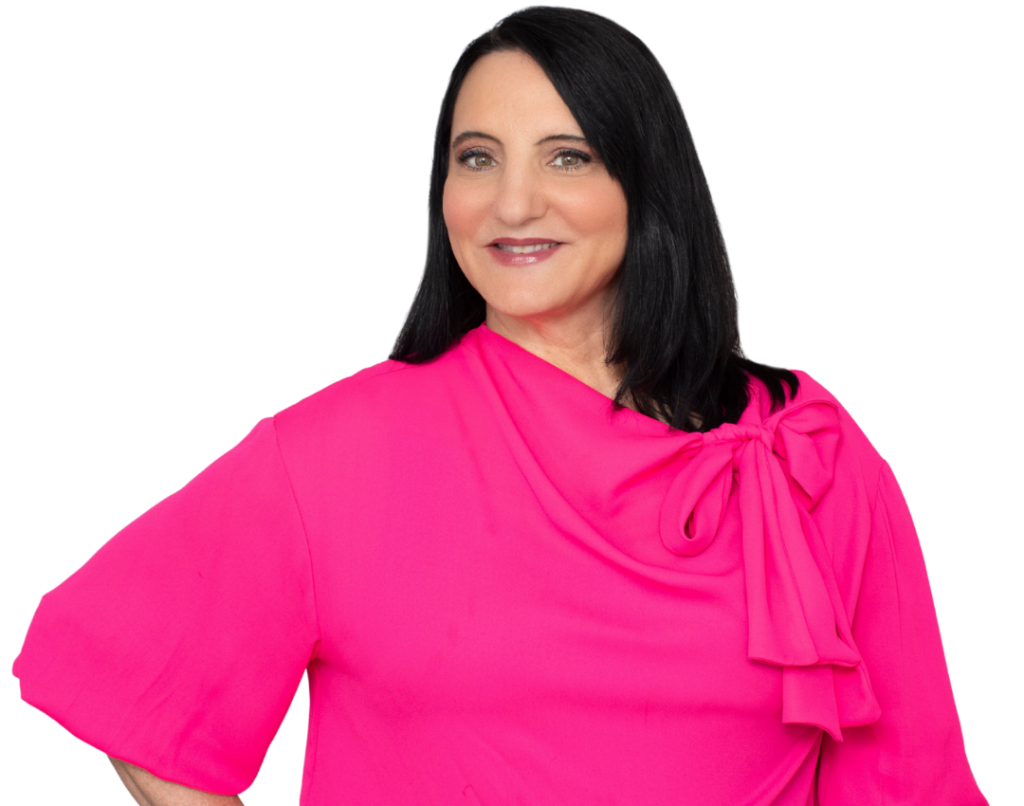
Dr. Roseann has been featured in Forbes, The New York Times, NBC, FOX, Parents, and ADDitude and has helped thousands of families better understand what is really driving emotional and behavioral struggles.
“I finally understood why nothing was working.”
“For the first time, I felt like someone truly understood my child.”
“We stopped focusing on behavior and started focusing on regulation... and everything changed.”
If you feel like you have tried everything and nothing is working, you are not alone.
And you are not failing.
Most parenting advice focuses on correcting behavior first.
But when a child is dysregulated, they cannot access:
So what happens?
Not because you’re doing it wrong.
Because you’re starting in the wrong place.
Regulate first. Then everything else works better.
You just need the right first step.
In less than 3 minutes, the Solution Matcher will help you:
You do not need a diagnosis to get started.
When you understand what is underneath the behavior, you can stop guessing and start helping.
When a child is overwhelmed, reactive, anxious, or shutting down…
It’s not just behavior.
It’s a brain that is struggling to regulate.
This approach helps you:
Because when the brain is regulated, everything gets easier.
CALM PEMF is a simple, portable device designed to help calm an overwhelmed nervous system naturally.
Parents use it for:
It’s one of Dr. Roseann’s favorite tools for helping kids (and adults) calm their brains and bodies more quickly.

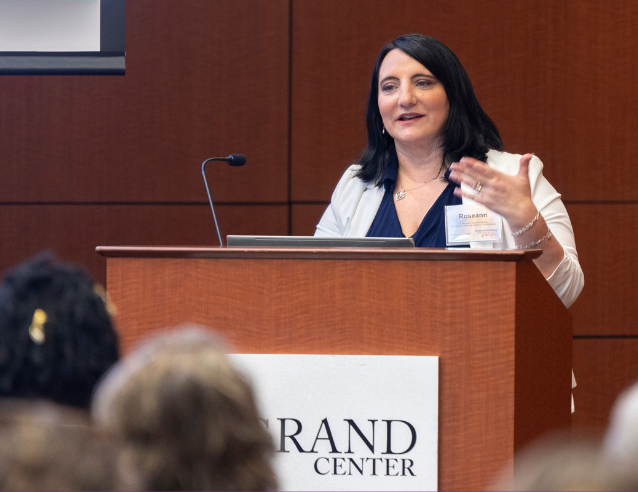
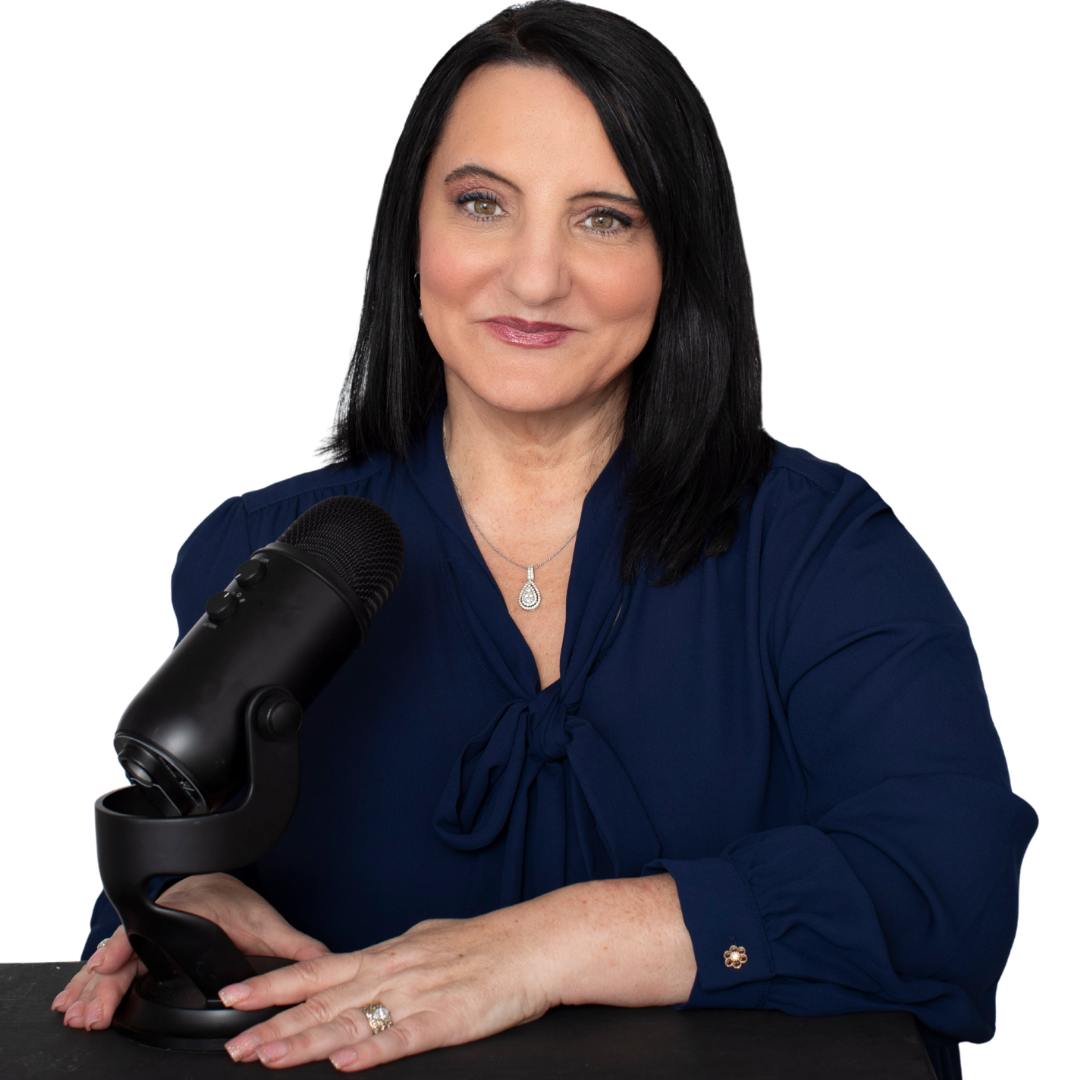
Emotional dysregulation in children is not just about big feelings. It happens when a child’s nervous system becomes overwhelmed and they cannot manage their emotions, reactions, or behavior in a healthy way.
That is why meltdowns, defiance, anxiety, shutdowns, and focus struggles are often misunderstood. What looks like a behavior problem is often a dysregulated nervous system, not intentional misbehavior.
Some children become overwhelmed by too much input, such as noise, pressure, transitions, or sensory overload. Others struggle when their brains are not getting enough input to stay alert and engaged. In both cases, the nervous system becomes unbalanced, and emotional control gets much harder.
It’s not a behavior problem. It’s a nervous system problem.
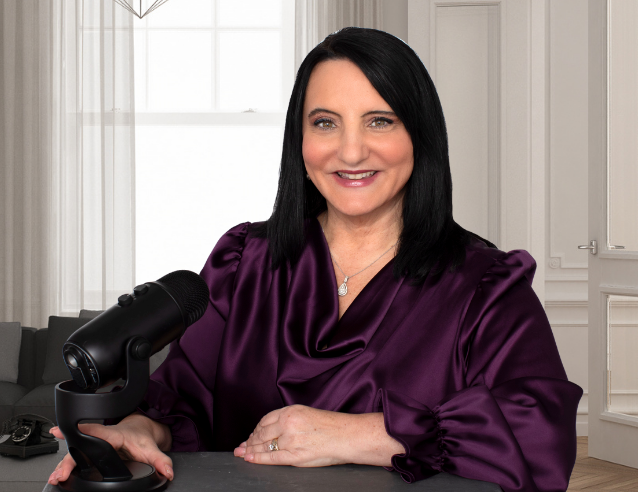
Dr. Roseann Capanna-Hodge
At the core, emotional dysregulation is a brain-based and nervous system issue. That is why typical behavior strategies often fall short. A child cannot access self-control, learning, or problem-solving when their brain is stuck in a stress response.
The good news is that when you focus on nervous system regulation first, everything can begin to change. With the right support, kids can build regulation skills, reduce meltdowns, and feel more in control.
That is why a Regulation First® approach is the missing piece for so many families.
.jpg)
Want to bring a nervous system-first approach to your school, practice, workplace, or community?
Contact us about speaking, training, certification, or other collaboration opportunities.
In less than 3 minutes, discover what may really be driving your child’s behavior—and what to do next.
Stop guessing.
Finally understand what your child needs.
If you want the cleanest conversion version, I would structure the CTA flow like this:
Hero CTA: Main action
Quiz section CTA: Reinforce the next step
Post-FAQ CTA: Capture decision-ready visitors
Final CTA band: Close strong
My strongest design note is that the final CTA should not just repeat the hero mechanically. It should feel like a payoff. I would keep the button the same, but make the surrounding copy slightly more conclusive:
Stop guessing. Start understanding what your child really needs.In less than 3 minutes, discover what may be driving your child’s behavior and what to do next.
If you want, I can turn this into a homepage wireframe order next, with exact notes like full-width band, 2-column section, card grid, and where each CTA button goes visually.