%20.png)



Estimated Reading Time: 7 minutes
Nervous system regulation is the ability to move between calm and alert states without getting stuck in stress or overwhelm. It’s what helps children stay steady, focused, and in control—even when life feels like a lot.
When a child’s nervous system is dysregulated, it can show up as anxiety, meltdowns, impulsivity, or shutdowns, often leaving parents feeling stuck and unsure what to do next. These struggles can affect school, relationships, and daily life—impacting the whole family.
The good news? Nervous system regulation can be strengthened with simple, consistent tools that help your child’s brain and body feel safe again.
Over time, these skills build emotional stability, resilience, and a greater sense of calm.
What You'll Learn:
- What nervous system regulation is and why it matters for children.
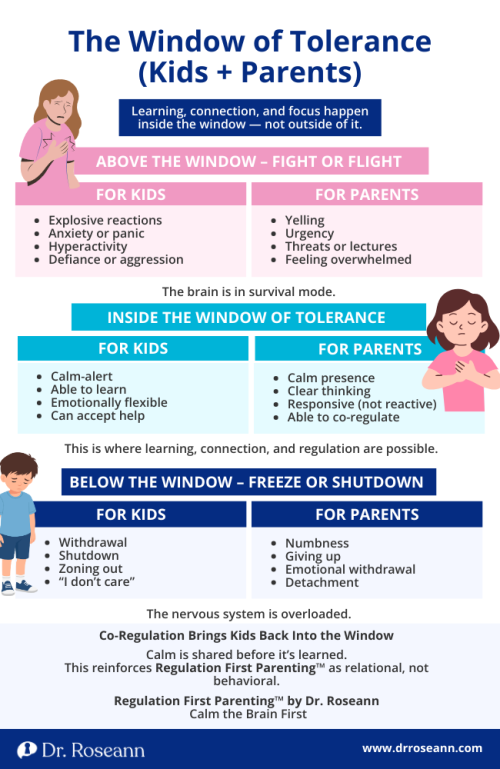
- Signs your child may be stuck in fight, flight, or freeze states.
- Practical ways to support calm and balance in everyday life.
Why is Nervous System Regulation Important?
Nervous system regulation is all about your body’s natural ability to manage stress and promote relaxation. As we understand more about how it works, it’s clear that our physical health plays a major role in shaping our mental state—and it’s not just all in our heads.
Every day, the nervous system is at work, influencing how we react to stress, from the fight-or-flight response to how we defend our immune system. When we master regulating it, we don’t just boost mental health; we improve overall well-being.
For parents, this is a game-changer in managing the ups and downs of family life. Whether it’s a tantrum or a homework struggle, your nervous system is firing on all cylinders. But by learning to regulate it, you stay calm and centered—making tough moments easier to handle while creating a more peaceful environment for your whole family.
What are the Roles of Sympathetic and Parasympathetic Nervous Systems?
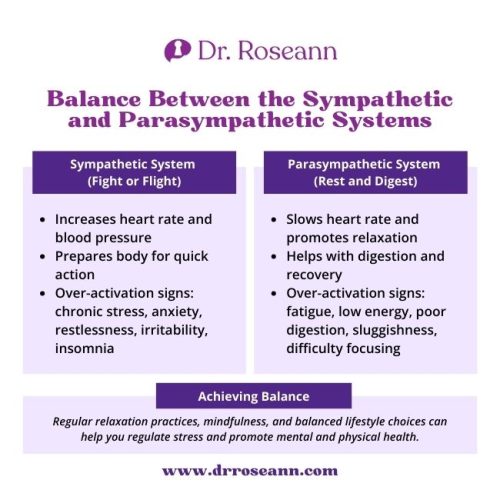
The nervous system controls everything from reflexes to emotions, made up of the central nervous system (CNS) and the peripheral nervous system (PNS). The PNS includes the autonomic nervous system (ANS), which handles functions like breathing and heart rate, with the sympathetic and parasympathetic systems keeping things in balance.
Sympathetic vs. Parasympathetic Nervous System
| Feature | Sympathetic Nervous System | Parasympathetic Nervous System |
|---|---|---|
| Primary Function | Activates "fight or flight" response | Activates "rest and digest" response |
| Response to Stress/strong> | Gears the body up for action | Calms the body down after stress |
| Heart Rate | Increases | Decreases |
| Blood Pressure | Elevates | Lowers |
| Breathing | Rapid and shallow | Slow and deep |
| Digestion | Slows down | Stimulates |
| Energy Use | Burns energy quickly | Conserves and restores energy |
| Examples | Jumping to protect your child in danger | Snuggling with your child at bedtime |
| Too Much Activation Can Cause | Chronic stress, anxiety, burnout | Fatigue, low motivation (if overly dominant instead) |
Balancing these two systems is crucial for a healthy nervous system, as an imbalance can lead to physical and mental health issues. By understanding how they work together, parents can manage stress and emotions, creating a calmer home environment.
What are the Causes of Nervous System Dysregulation?
The following are factors that disrupt the nervous system's balance and contribute to its dysregulation, affecting both physical and mental well-being:
- Trauma
- Persistent Stress
- Environmental Factors
- Early Developmental Experiences (unstable attachment during formative years)
- Impaired Emotional Regulation (difficulty managing emotions)
- Medical Conditions (autoimmune disorders, chronic pain, neurological conditions)
- Genetic Factors
- Poor Lifestyle Choices (poor diet, insufficient sleep, toxin exposure)
- Chronic Life Demands (work, school, household responsibilities)
- Lack of Self-Care (especially for parents managing multiple roles)
What are the Symptoms of a Dysregulated Nervous System?
Recognizing indicators of nervous system dysregulation is crucial for managing mental and physical health effectively.
- Frequent mood swings
- Persistent feelings of being overwhelmed
- Depression and anxiety
- Ongoing worry and excessive concern
- Difficulty maintaining focus
- Memory lapses
- Chronic pain or discomfort
- Fatigue and exhaustion
- Increased sensitivity to stressors
What are the Techniques to Regulate Your Nervous System?
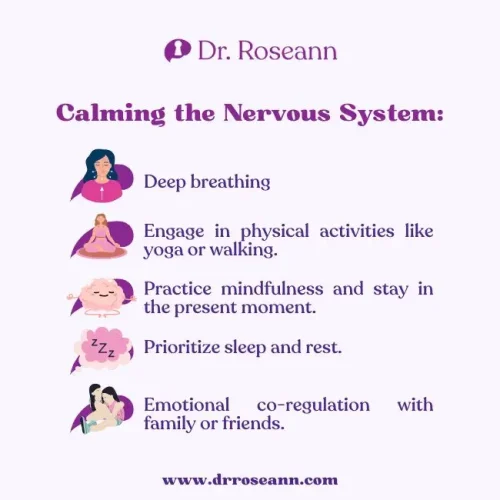
Balancing your nervous system doesn’t need to be so complicated. These simple, everyday techniques can be your safety net, bringing calm to your home.
1. Deep Breathing for Instant Calm
Activate your parasympathetic nervous system to lessen tension and help you breathe more easily.
2. Movement to Release Tension
Yoga, walking, or dancing helps release tension and improve mood.
3. Mindfulness for a Grounded Mind
A few minutes of meditation or just some mindful breathing can really help calm your mind.
4. Nature and Joyful Activities for a Quick Reset
Step outside, laugh, or sing your favorite song for a quick mood reset. Trust me when I say it does wonders!
5. Emotional Co-Regulation through Connection
Spending time with loved ones helps balance the nervous system for you and everyone else. That’s what we call co-regulation.
6. Small Everyday Habits for Stress Relief
Simple daily routines like using a weighted blanket or enjoying a family game can keep stress in check.
Read more: 101 Self-Regulation Strategies for Kids That Actually Work
What are the Therapeutic Approaches for Nervous System Regulation?
- Neurofeedback Therapy
Trains your brainwaves to regulate your nervous system by using a QEEG to track brain behavior.
- EMDR (Eye Movement Desensitization and Reprocessing)
Uses eye movements to process trauma and shift negative beliefs. It helps regulate emotions and reduce overwhelm.
- Dual Sympathetic Reset Therapy
Resets your sympathetic nervous system, calming your fight-or-flight response. Think of it as a stress reset.
- Somatic Experiencing
Focuses on body sensations to release stress and trauma and helps restore balance through physical awareness.
What is the Role of Sleep and Diet in Nervous System Health?
I always tell parents how sleep works wonders for the body. Not only does it recharge you, but it boosts emotional resilience and helps your brain clear out the junk.
When you don’t get enough rest, anxiety and depression can creep in. So don’t sleep on sleep! It’s one of the easiest ways to stay balanced and feel your best.
What you eat has a huge impact on your nervous system. A bad diet? That causes brain inflammation, throwing off your mood and behavior, making even the smallest stress feel like a mountain to climb.
Omega-3 fatty acids—a game-changer for brain health. Don’t forget about your gut though—it’s the unsung hero in regulating the nervous system.
Keep nutrition in check and you’ll help your nervous system thrive, making family life smoother and more peaceful.
Parent Action Steps
☐ Prioritize mental health
☐ Commit to healthy lifestyle choices
☐ Establish a consistent routine
☐ Model regulation for your child
☐ Build emotional check-ins into your day
☐ Take our Solution Matcher to get science-backed solutions to help your child today
FAQs
What is nervous system regulation, and why does it matter for my child?
Nervous system regulation is your child’s ability to shift between calm and alert without getting stuck in stress mode. When nervous system regulation is working well, your child can handle big feelings and everyday challenges with a lot more ease.
Do ADHD medications help with emotional regulation in kids?
ADHD medications can help emotional regulation in kids by improving focus and impulse control, but they don’t directly build nervous system regulation skills. That’s why we always want to pair meds with simple, daily regulation tools.
How does diet impact nervous system regulation in children?
Diet really does impact nervous system regulation. When kids are eating whole, nutrient-rich foods, their nervous system is more stable—but too much sugar and processed food can make nervous system dysregulation show up fast.
Why is sleep important for nervous system regulation and overall health?
Sleep is a big deal for nervous system regulation because it gives the brain a chance to reset. When kids are low on sleep, their nervous system gets more reactive, and everything feels harder.
What are simple nervous system regulation techniques I can use at home?
Simple nervous system regulation techniques like deep breathing, movement breaks, and quiet time can calm your child’s body fast. The key with nervous system regulation techniques is keeping them short, consistent, and easy to repeat daily.
Can nervous system regulation techniques help with anxiety and ADHD?
Yes—nervous system regulation techniques can really help with anxiety and ADHD because they calm the brain before behavior. When the nervous system is regulated, kids can focus better, feel safer, and react less intensely.
What are the best ways to teach nervous system regulation to my child?
The best way to teach nervous system regulation is by modeling it and practicing it together. Kids learn nervous system regulation through co-regulation first—meaning they borrow your calm before they can do it on their own.
Citations
Beauchaine, T. P. (2015). Future directions in emotion dysregulation and youth psychopathology. Journal of Clinical Child and Adolescent Psychology, 44(5), 875–896. https://doi.org/https://doi.org/10.1080/15374416.2015.1038827
Dr. Roseann is a mental health expert in Self-Regulation who frequently is in the media:
- Healthline Understanding Self-Regulation Skills
- Scary Mommy What Is Self-Regulation In Children, And How Can You Help Improve It?
- It's Gonna Be OK! Changing Behaviors and Responses (And The Magic of Magnesium)In Your Family with Dr. Roseann Capanna-Hodge
Always remember... “Calm Brain, Happy Family™”
Disclaimer: This article is not intended to give health advice and it is recommended to consult with a physician before beginning any new wellness regime. *The effectiveness of diagnosis and treatment vary by patient and condition. Dr. Roseann Capanna-Hodge, LLC does not guarantee certain results.
Are you looking for SOLUTIONS for your struggling child or teen?
Dr. Roseann and her team are all about science-backed solutions, so you are in the right place!
Grab your complimentary copy of
© Roseann-Capanna-Hodge, LLC 2024