
Join the Dysregulation Insider get free calm parenting tips straight to your inbox!
YES, I'M IN!Natural Anxiety Relief in Children and Teens | Nervous System Regulation | E197





Anxiety has become the number one clinical condition among adults in the United States, even surpassing mood disorders. The sad reality is that it is increasingly common in children, with the average onset age being six, which is why natural solutions for anxiety in children and teens are increasingly relevant in today’s busy world. It is thus imperative to prioritize a child's mental health and seek guidance from a mental health professional to effectively manage anxiety. Join me in this episode as we explore the rise of anxiety in both adults and children and delve into natural solutions that can help alleviate this growing issue. We'll discuss how anxiety manifests in various ways and why addressing these symptoms as early as possible is crucial.
Natural solutions for anxiety in children and adults.
Anxiety arises from various factors beyond genetics and neurotransmitters, including environmental influences and individual experiences. It manifests in different ways, such as anxious avoidance, which can often go unnoticed. Anxious behaviors might show up as resistance to new or familiar things. There are internalizers and externalizers often misdiagnosed with other disorders due to their reactive behaviors. Effective anxiety treatment focuses on calming the reactive brain and improving self-regulation, which is essential for learning and executive functioning. A dysregulated brain struggles to focus, learn, and absorb new information, making it crucial to address these issues early on. Natural methods, such as mindfulness practices and physical exercise, can significantly enhance self-regulation and reduce anxiety symptoms. Take note that recognizing and addressing anxiety in children early can lead to better outcomes and a more regulated, healthy life. Anxiety is often misunderstood as purely a brain dysfunction related to neurotransmitters, rather than as a condition influenced by a stress-activated nervous system, inflammation, and inherited anxious behaviors. This narrow view overlooks the broader factors contributing to anxiety, which can be familial and behavioral. Understanding these broader factors allows for a more comprehensive approach to treating anxiety, addressing both the mind and body. By recognizing the role of environmental stressors and familial patterns, we can implement more effective, holistic strategies for managing and reducing anxiety.
Exploring natural alternatives to SSRIs including supplements, therapy, and coping skills.
Selective serotonin reuptake inhibitors (SSRIs), commonly prescribed for anxiety, have significant side effects and limited research supporting their efficacy in children. They are often used off-label, including for conditions like autism, despite evidence showing neuroinflammation in many cases. The good news is that there are natural alternatives available that offer effective relief from anxiety without the risks associated with SSRIs. In addition to supplements like magnesium and curcumin, incorporating anti-inflammatory and detoxifying components into one's diet can further support the management of anxiety. These natural solutions offer a holistic approach to anxiety relief, addressing both the physical and mental aspects of the condition. Dietary changes, such as reducing sugar and processed food intake while increasing consumption of whole foods rich in nutrients, can have a profound impact on anxiety levels. Somatic techniques, including practices like yoga, meditation, and deep breathing exercises, help regulate the nervous system and promote relaxation, complementing the effects of dietary adjustments and natural supplements. Techniques like Emotional Freedom Techniques (EFT) tapping, neurofeedback, and Pulsed Electromagnetic Field (PEMF) therapy can also help regulate the nervous system. Furthermore, these techniques provide individuals with practical tools to manage stress and reduce anxiety symptoms in their daily lives. By incorporating a combination of natural interventions, individuals can address anxiety from multiple angles, leading to more comprehensive and sustainable relief. Empowering children with problem-solving skills and stress tolerance is essential, as is the consistent application of natural strategies to teach them coping skills for managing anxiety effectively, rather than avoiding it.
Our "Natural Anxiety Relief Kit" offers a comprehensive, evidence-based approach to managing anxiety through videos and downloads designed for busy parents. Sign up now: https://drroseann.com/anxietykit
For more information about anxiety, check out the following:
- 5 Surprising ways magnesium helps adhd anxiety ocd and depression
- Anxiety
- Clinical guide anxiety
- 129 stress anxiety and mood 10 ways how magnesium helps the brain
Links and Resources:
➡️ Join our FREE Natural Parenting Community to receive science-backed resources for your child and family. Join here.
➡️ Get help from Dr. Roseann and her team. Apply here.
➡️ “Is it ADHD or something else?” Take the quiz.
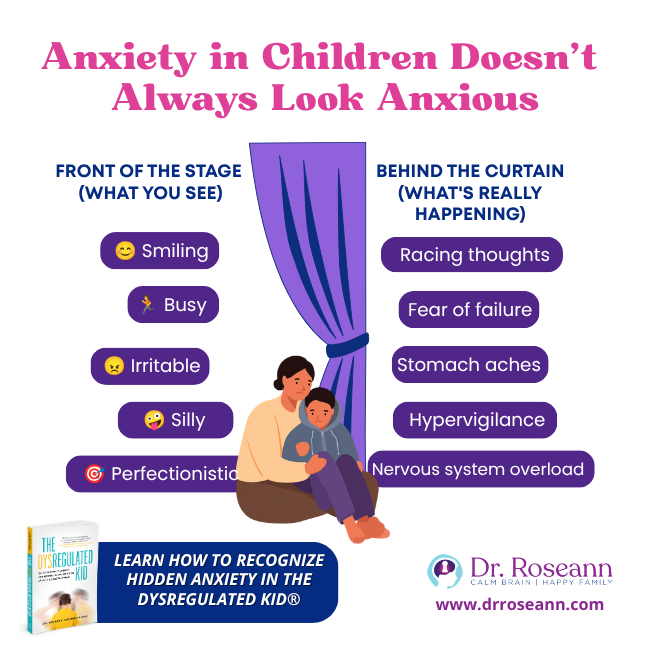
Parents looking for natural anxiety support often discover dozens of tools, supplements, and strategies, but no single intervention replaces understanding the nervous system underneath the worry.
In The Dysregulated Kid®, I give parents a brain-first framework for recognizing when anxiety is pushing a child toward fight, flight, freeze, or shutdown. You’ll learn practical Regulation First Parenting® strategies for calming the brain, reducing unnecessary stress, and building coping capacity. Get The Dysregulated Kid® at dysregulatedkid.com
Dr. Roseann Capanna-Hodge is a licensed therapist, certified school psychologist, and leading expert in emotional dysregulation in children. With over 30 years of experience, she helps parents understand the root causes of meltdowns, anxiety, ADHD, and challenging behavior through the lens of nervous system regulation. Dr. Roseann teaches practical, science-backed strategies for co-regulation and how to calm a dysregulated child using her Regulation First Parenting® approach. She is the host of the Dysregulated Kids Podcast and author of The Dysregulated Kid.
Dr. Roseann Capanna-Hodge
Emotional Dysregulation in Children & Nervous System Expert
Regulation First Parenting® | CALMS Protocol™
Host of the Dysregulated Kids Podcast (Top 1% Globally)
Author of The Dysregulated Kid

Find this helpful? Leave us a review!
Your feedback helps more overwhelmed parents find calm, clarity, and the proven tools that make everyday life easier.
Dr. Roseann Capanna-Hodge: Helping Families of Dysregulated Kids Thrive Through Regulation First Parenting®
As the creator of Regulation First Parenting®, she’s helping families of dysregulated kids discover a compassionate, brain-based path forward. Through The Dysregulated Kids™ Podcast (top 2% globally), she offers practical strategies that help parents understand their child’s brain and support lasting change.
Through The Global Institute of Children’s Mental Health and Dr. Roseann, LLC, she’s created resources like the Neurotastic® Brain Formulas and the Regulation First Parenting® framework—meeting families where they are and supporting them through challenges like ADHD, anxiety, OCD, PANS/PANDAS, and behavioral struggles.
Recognized by Forbes as “a thought leader in children’s mental health,” Dr. Roseann is changing how we understand emotional dysregulation in children—one family at a time.