%20.png)


Estimated reading time: 7 minutes
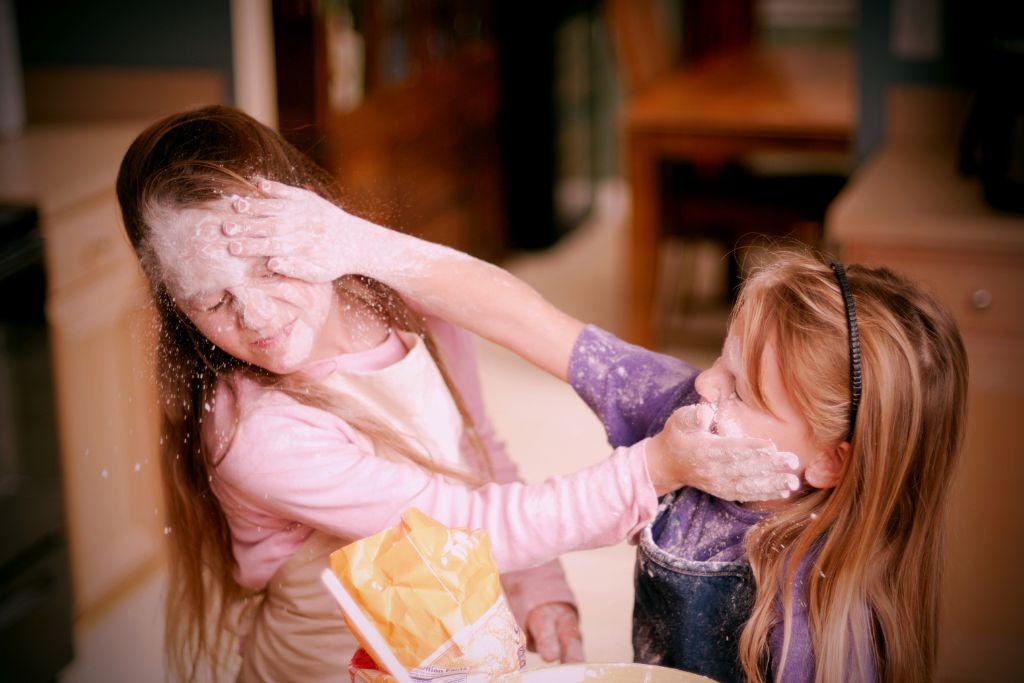
Wondering why your child’s friendships feel rocky even when they really care? Let’s unpack what’s really behind those bumps.
If your child’s friendships feel unpredictable—or social situations end in tears, meltdowns, or exclusion—you’re not alone. Many kids struggle with things like overreacting to small problems, difficulty taking turns, getting bossy or controlling during play, shutting down after conflict, interrupting or missing social cues, and having a hard time repairing after hurt feelings.
In this blog, you’ll learn:
- why these friendship challenges happen so often in kids with emotional dysregulation and neurodiverse profiles
- what’s really going on in the brain
- science-backed, parent-led strategies you can start today to help your child build stronger, more connected friendships
Why do kids with emotional dysregulation often struggle to make or keep friends?
Kids who live with emotional dysregulation, whether linked to ADHD, anxiety, ASD, DMDD, or PANS/PANDAS, often find friendships both vital and challenging.
Social cues, shared interests, and smooth give-and-take are harder when the brain can’t modulate emotional reactions or when executive functioning and social cognition are still developing.
- Difficulty reading emotional cues like tone or body language can lead to misunderstandings or seeming blunt.
- Inconsistent emotional responses, a meltdown in response to micro‑stress can confuse and distance peers.
- Trouble maintaining friendships, lasting only months instead of years (has been documented in kids with ADHD)
What triggers friendship meltdowns and conflict in dysregulated children?
Meltdowns often aren’t about friends, they’re about triggered emotional dysregulation. Common triggers include hunger, sensory overwhelm, transitions, or perceived criticism.
- Biological factors: low blood sugar, sleep deprivation, overstimulation.
- Situational triggers: sudden schedule changes, perceived unfairness.
- Emotional overload: inability to calm before reacting.

How do impulsivity and poor self‑control undermine peer relationships?
Impulsivity and weak self‑control, hallmarks of dysregulated brains, especially ADHD can lead to:
- Interrupting peers
- Taking others’ toys impulsively
- Responding destructively when losing
These behaviors erode trust in peer relationships. As children grow, peers have less tolerance for social immaturity and may withdraw.
- Executive functioning deficits also impact planning, turn‑taking, and monitoring one’s behavior.
- Social cognition gaps, difficulty understanding others’ perspectives makes responses seem selfish or aloof
Real‑life example:
Jackson, an 8-year-old with anxiety, had been excited for his playdate all week. But when the game didn’t go as planned, his frustration bubbled over and he snapped, “You’re the worst player ever!”
His friend looked hurt, and the next time there was a group hangout, Jackson wasn’t invited. His mom knew it wasn’t bad behavior—it was anxiety and dysregulation showing up in the worst possible moment.
Takeaway: Building impulse control and self-awareness is key.
When do friendship issues become a sign of something more significant?
It’s normal for kids to have conflicts. But repeated exclusion, rapid friendship turnover, or isolation can signal something deeper such as DMDD, ASD, ADHD, or mood dysregulation.
- Persistent patterns of anger, aggression or isolation warrant a deeper look.
- Disruptive Mood Dysregulation Disorder (DMDD), for example, involves chronic irritability and frequent, severe outbursts.
- Professional assessment can help distinguish when friendship challenges are part of broader dysregulation vs. typical social growing pains.

What strategies can parents use to coach social skills in dysregulated kids?
Parents can become friendship coaches, guiding children in small, intentional steps:
- Model emotional regulation: Show calm during conflict. Timeouts are not just for safety, they are teaching moments.
- Practice playdates with structure: Use simple games with clear roles, turn-taking, declaring feelings, repairing.
- Teach social scripts: “If someone says something hurtful, try saying…”
- Emotion coaching: Name the feeling, validate it, suggest a calming tool (deep breath, ground).
👉 Join The Dysregulation Insider, my parenting newsletter packed with emotional regulation strategies and peer‑relationship coaching tips that work.

How can caregivers help their child calm down in the moment of a social meltdown?
When a meltdown begins, helping your child calm nervously —instead of waiting for them to blow up can restore connection:
- Offer a sensory break: Choose a quiet corner, breathing tool, or weighted object.
- Validate feelings: “I see you’re angry. That was hard.”
- Set clear choices: “You can stay calm and explain, or take a break and come back when ready.”
These strategies promote emotional self‑regulation, reduce escalation, and teach coping over time.
Where can I find programs, groups or therapies that support friendship skills and emotion regulation?
Structured social‑emotional learning and regulation programs can help fill the gap between home and school—especially for kids navigating friendship challenges and emotional dysregulation.
Quick CALM™ – 7 Days to a More Regulated Child
A practical, science‑backed mini-course built for busy parents. In just one week you learn the CALMS™ Dysregulation Protocol, printable calm-down routines, morning/evening charts, and visual supports to calm the brain first and guide your child toward more steady emotional regulation, all for under $20 .
Solution Matcher
Take the FREE 3‑minute Brain & Behavior Solution Matcher to receive personalized recommendations for your child’s exact needs—whether that’s a digital course, group support, or deeper coaching. It’s science‑backed and designed to simplify the journey to emotional regulation.
Friendship challenges in dysregulated kids are common and not a sign of poor parenting or failure. Instead, they’re brains asking for more structure, emotional tools, and supportive coaching.
PARENT ACTION STEPS
- Calm the brain first before coaching behavior
- Practice social scripts and rehearsal
- Utilize emotion coaching and sensory supports
- Explore evidence‑based programs like FRIENDS or UR Strong
- JOIN our Natural Parenting Solutions Facebook community.
FAQs
Why does my child struggle with friendships because of big emotions?
When a child struggles with friendships because of big emotions, it’s often because they can’t pause before reacting. They might grab toys, shut down, or get bossy—so start by coaching “pause + choose” moments like, “Let’s take a breath and try asking instead.”
How can I help my child who gets too emotional with friends?
If your child gets too emotional with friends, prep them before play starts. Practice phrases like “Can I have a turn?” or “I didn’t like that,” and stay nearby so you can step in early and guide them before things escalate.
Is it normal for kids with ADHD or anxiety to have friendship challenges?
Yes, kids with ADHD or anxiety often have friendship challenges because they interrupt, act quickly, or worry about being left out. You can help by role-playing common situations and giving them simple scripts they can actually use in the moment.
What are signs my child’s friendship problems are due to emotional dysregulation?
Signs your child’s friendship problems are due to emotional dysregulation include quitting games when losing, yelling over small issues, or refusing to rejoin after conflict. In those moments, guide a quick reset like getting water, taking space, then trying again.
Why does my child overreact or have meltdowns during playdates?
If your child overreacts or has meltdowns during playdates, it’s often because play feels overstimulating. Shorten playdates, keep them structured (one activity at a time), and build in breaks so your child doesn’t hit that overwhelm point.
How do I teach my child better social skills when emotions take over?
To teach better social skills when emotions take over, don’t wait for the meltdown—practice after. Replay the moment and say, “Next time, you can say this,” and rehearse it a few times so it becomes automatic.
Can emotional regulation skills improve my child’s friendships?
Yes, emotional regulation skills improve your child’s friendships because they help your child stay in the game longer. Even simple tools like squeezing a stress ball, taking a breath, or asking for help can keep a small issue from turning into a big one.
What should I do if my child keeps losing friends because of big emotional reactions?
If your child keeps losing friends because of big emotional reactions, focus on repair skills. Teach them to say, “I’m sorry I yelled—can we try again?” and create low-pressure chances to practice with one calm, supportive peer.
Citations
Neprily, K. M., Climie, E. A., McCrimmon, A., & Makarenko, E. (2025). Why can't we be friends? A narrative review of the challenges of making and keeping friends for children and adolescents with Attention‑Deficit/Hyperactivity Disorder. Frontiers in Developmental Psychology, 2:1390791. https://doi.org/10.3389/fdpys.2024.1390791
Kouvava, S., Antonopoulou, K., Kokkinos, C. M., & Ralli, A. M. (2025). Social understanding and friendships in children with Attention Deficit/Hyperactivity Disorder or Dyslexia. Behavioral Sciences, 15(2), 216. https://doi.org/10.3390/bs15020216
Spender, K., Chen, Y.‑W. R., Wilkes‑Gillan, S., Parsons, L., Cantrill, A., Simon, M., et al. (2023). The friendships of children and youth with Attention‑Deficit Hyperactivity Disorder: A systematic review. PLoS ONE, 18(8): e0289539. https://doi.org/10.1371/journal.pone.0289539
Dr. Roseann Capanna-Hodge is a licensed mental health expert that is frequently cited in the media:
- HomeschoolOT Therapy Services Understanding Nervous System Dysregulation in Children: A Guide for Homeschool Parents
- The Experience Miracles Podcast Why Traditional Discipline Fails Dysregulated Kids (And What Actually Works)
- Next Avenue Recharge Your Mind With Daily Brain Exercises
Disclaimer: This article is not intended to give health advice and it is recommended to consult with a physician before beginning any new wellness regime. *The effectiveness of diagnosis and treatment vary by patient and condition. Dr. Roseann Capanna-Hodge, LLC does not guarantee certain results.
Are you looking for SOLUTIONS for your struggling child or teen?
Dr. Roseann and her team are all about science-backed solutions, so you are in the right place!
©Roseann Capanna-Hodge