%20.png)



ADHD coping mechanisms kids: 3 Proven Ways to Thrive
Estimated reading time: 9 minutes
ADHD coping mechanisms kids can use daily include creating routines, breaking tasks into smaller steps, using visual aids, positive reinforcement, movement breaks, and emotional regulation strategies like deep breathing.
Key ADHD Coping Strategies at a Glance:
If your child struggles with focus, restlessness, or impulsivity, you may be seeing signs of attention-deficit/hyperactivity disorder, or ADHD. ADHD is a neurobehavioral disorder that makes it harder to sustain attention, manage energy, and control impulses.
You're not alone. ADHD affects millions and presents differently in each child. Some are primarily inattentive and forgetful (Inattentive type), others are hyperactive and impulsive (Hyperactive-Impulsive type), and many show a combination of both (Combined type).
These challenges can affect school, friendships, and home life, leading to forgotten homework, social difficulties, and meltdowns. It's exhausting for them—and for you.
But here's the good news: With the right strategies and support, kids with ADHD can thrive. Behavior is communication. When we calm the brain first, children can focus and learn.
As Dr. Roseann Capanna-Hodge, I've spent over 30 years helping families manage ADHD with science-backed, natural strategies. I've seen how teaching effective ADHD coping mechanisms kids can use transforms their confidence, relationships, and hope.

Let's explore practical strategies you can start using today to help your child succeed.
A Parent's Guide to ADHD Coping Mechanisms for Kids
Creating a Calm and Predictable World: The Power of Routine
For a child with ADHD, a predictable environment reduces anxiety and the cognitive load of figuring out what to do next. Routines, structure, and clear expectations are your superheroes in managing ADHD symptoms.
The Role of Structure, Routines, and Clear Expectations:
Children with ADHD thrive in structured, predictable environments. Clear guidelines and regular routines lead to fewer arguments and a more positive home. Instead of saying, "Clean your room," try, "Please put your toys in the box and make your bed." Specificity is key.
Actionable Steps:
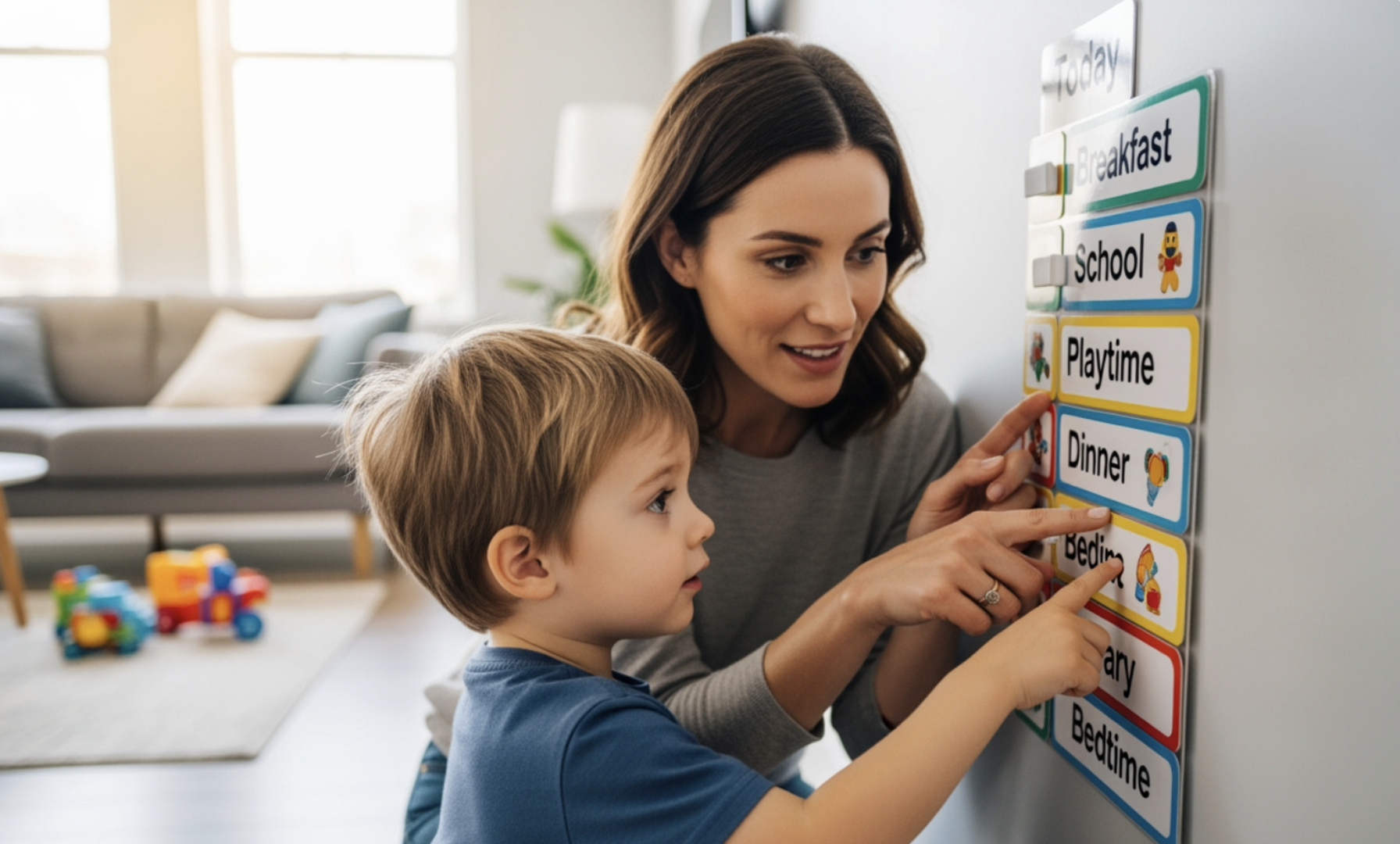
- Daily Schedules: Post a visual schedule for daily activities. Use pictures for younger kids and checklists for older ones. Inform them of changes in advance.
- Clear Rules: Establish 3-5 simple, positive household rules and post them visibly.
- Consistent Enforcement: Use rewards for following rules and clear, consistent consequences for not following them. This teaches cause and effect.
The Importance of Sleep, Diet, and Exercise:
These are foundational ADHD coping mechanisms kids need to function at their best.

Sleep Hygiene:
Children with ADHD often struggle with sleep, which can worsen inattention and impulsivity (Yin et al., 2022).
Actionable Steps:
- Consistent Sleep Schedule: Stick to a regular bedtime and wake-up time, even on weekends.
- Optimal Sleep Environment: Keep the bedroom cool, dark, and quiet.
- Screen Time Curfew: No screens at least an hour before bed. Keep electronics out of the bedroom.
- Stress Separation: Encourage kids to write down worries in a notepad to be addressed in the morning.

Diet and Nutrition:
A well-balanced eating plan can minimize symptoms and support brain health (Huberts-Bosch et al., 2024).
Actionable Steps:
- Well-Balanced Meals: Focus on whole foods, lean proteins, fruits, and vegetables.
- Limit Processed Foods and Sugar: These can cause energy crashes and mood swings.
- Avoid Caffeine: Especially in the afternoon and evening.

The Benefits of Physical Activity:
Exercise is a fantastic outlet for energy that improves focus and reduces restlessness (Liu et al., 2025).
Actionable Steps:
- Daily Exercise: Aim for at least 60 minutes of moderate to vigorous activity daily.
- Structured Sports: Activities like martial arts or swimming teach discipline and focus.
- Unstructured Play: Make time for free play outdoors to burn off steam.

Managing Screen Time:
Screen time can be a double-edged sword, offering focus but also causing overstimulation and sleep issues.
Actionable Steps:
- Clear Rules: Establish strict rules around electronics, especially before bed.
- Balance: Trade screen time for physical activity.
- Low-Distraction Environment: For homework, switch off electronics and minimize visual clutter.
Positive Parenting in Action: Behavioral and Social Skill Strategies
Children with ADHD often face more criticism, which can harm their self-esteem. Our goal is to flip that script by building confidence and teaching essential life skills.
Positive Reinforcement and Building Self-Esteem:
"Behavior is communication." Understanding what your child is trying to communicate allows for an empathetic response. Positive reinforcement is a powerful tool.

Actionable Steps:
- Praise Over Criticism: Aim to praise good behavior five times more than you criticize. Be specific: "Thank you for washing the dishes so well."
- Reward Systems: Use a structured incentive plan. Involve your child in choosing rewards to ensure motivation.
- Focus on Strengths: Help your child identify and celebrate their unique talents, whether it's building Legos or being a kind friend.
Emotional Self-Regulation and Managing Overstimulation:
Kids with ADHD can struggle with emotional dysregulation and are prone to overstimulation.
Actionable Steps:
- Identifying Feelings: Help your child name their feelings and understand the physical sensations that come with them.
- Time-Outs/Breaks: Teach them to recognize early signs of being overwhelmed and take a proactive "brain break" in a calm space.
- Coping Tools: Introduce relaxation exercises like deep breathing. For more, see our guide on how to help an emotionally dysregulated child.
- Self-Talk: Teach positive self-talk like, "I can do this!"
Developing Social Skills and Building Relationships:
Social interactions can be tricky due to impulsivity or missing social cues.
Actionable Steps:
- Role-Playing: Practice social scenarios at home, like how to join a game.
- Arranged Playdates: Start with one or two friends in a structured, supervised setting.
- Structured Activities: Encourage group activities like scouting or team sports where social rules are clearer.
- Model Behavior: Be a role model for empathy and respectful communication.
Here's a list of effective positive reinforcement ideas:
- Extra playtime or a slightly later bedtime
- Choosing a family activity
- A special outing (e.g., park, ice cream shop)
- Earning screen time
- Picking dinner for the night
- Having a friend over
- Earning points for a larger prize
- A special "date" with a parent
- Choosing the movie for family movie night
Partnering with Schools: Your Guide to Classroom Success
The school environment is a crucial part of any ADHD treatment plan. Partnering with educators creates a supportive learning space.
Advocating for Your Child and Teacher Collaboration:
As a parent, you are your child's best advocate. Open communication with your child's teachers is key.
Actionable Steps:
- Open Communication: Build a strong relationship with your child's teachers. Share effective home strategies and insights into your child's needs.
- Information Sharing: Provide teachers with expert resources.
Classroom Accommodations and Behavioral Classroom Management:
Schools can offer accommodations to lessen ADHD's impact on learning. Research shows only about 1 in 3 children with ADHD receive behavioral classroom management.
Actionable Steps:
- Behavioral Classroom Management: Collaborate with teachers on a reward system or daily report card to encourage positive behaviors.
- Organizational Training: Teach time management and planning skills using tools like homework folders or planners.
- Classroom Strategies: Advocate for accommodations like preferential seating, extra time on tests, movement breaks, or simplified instructions.
IEP vs. 504 Plan: Understanding Your Child's Rights:
Two laws govern school services: The Individuals with Disabilities Education Act (IDEA) and Section 504 of the Rehabilitation Act of 1973.
Actionable Steps:
- Understand the Differences: Familiarize yourself with IEPs and 504 Plans. An IEP often provides more services.
- Seek Evaluation: If your child needs formal accommodations, request an evaluation from the school.
- Know Your Rights: The U.S. Department of Education offers a "Know your rights" letter for parents and a resource guide for educators.
Here's a table comparing the key differences between an IEP and a 504 Plan:
Nurturing Your Child and Yourself on the ADHD Journey
You're Not Alone: Managing Your Own Stress as a Parent
Parenting a child with ADHD is rewarding but can be challenging. It's common to feel overwhelmed by family conflicts or judgment from others. You're not alone; many parents of children with ADHD report higher stress levels.
Actionable Steps:
- Prioritize Self-Care: You can't pour from an empty cup. Take time for yourself to stay calm and focused.
- Seek Support: Get help from friends, family, or professionals. Involve relatives who get along well with your child for breaks.
- Support Groups: Join an organization like CHADD to connect with other parents who understand.
- ADHD Often Runs in Families: It's common for parents to realize they might have ADHD after their child is diagnosed. Consider getting evaluated for your own well-being.
- Protect Your Energy: Shrug off negativity. You are your child's biggest advocate. Focus on what works for your family.
Taking care of yourself allows you to be more patient and present for your child. For more insights, explore our resources on how to help an emotionally dysregulated child.
The Power of Early Support for ADHD Coping Mechanisms Kids
The ADHD journey is a marathon, not a sprint. Early diagnosis and intervention are profound, setting children up for long-term success.
Actionable Steps:
- Early Diagnosis and Treatment: Seek a professional evaluation if you suspect ADHD. Early intervention is key.
- Building Resilience: Teach your child that ADHD is part of who they are but doesn't define them. Help them understand their strengths and challenges.
- Fostering Independence: As they grow, empower your child to take ownership of their ADHD coping mechanisms kids learn. Teach them self-advocacy skills.
- Celebrating Progress, Not Perfection: The path will have bumps. Celebrate small victories and effort to build confidence.
- Dr. Roseann's Approach: My approach provides "game-changing solutions" by calming the brain first with science-backed, natural strategies. We believe every child deserves to thrive, and with the right support, they can.
Frequently Asked Questions
What are the first steps if I suspect my child has ADHD?
Observe your child’s behavior in various settings and take notes. Next, consult your pediatrician or a child mental health specialist for a thorough evaluation. An early, accurate diagnosis is key to getting your child the right support.
How can I explain ADHD to my child without making them feel “different” or “broken”?
Frame it positively. You could say, “Your brain is like a superhero’s—it’s extra fast with so many ideas! We just need to learn tricks to help it focus on one thing at a time.” Stress that all brains are unique and you’re a team.
Can diet and exercise really make a difference for ADHD symptoms?
Yes. While not a cure, a balanced diet and regular exercise have a significant impact. Exercise helps burn energy and improve focus, while good nutrition supports brain health. It’s about giving their brain the best fuel.
How can I help my child develop social skills when they struggle with impulsivity?
Start with small, structured playdates with one friend. Role-play social scenarios like taking turns. Praise their efforts and offer gentle feedback. “Behavior is communication”—impulsivity may signal a need for more social tools.
What if my child resists using the coping mechanisms we try?
Resistance is normal. The key is consistency, patience, and involving your child. Ask for their input on strategies and rewards. If something isn’t working after a couple of weeks, adjust and try something new. It’s a learning process.
Citations
Huberts-Bosch, A., Bierens, M., Rucklidge, J. J., Ly, V., Donders, R., van de Loo-Neus, G. H. H., … & Rommelse, N. N. (2024). Effects of an elimination diet and a healthy diet in children with attention-deficit/hyperactivity disorder: 1-year prospective follow-up of a two-arm randomized, controlled study (TRACE study). JCPP Advances, 5(1), e12257. https://doi.org/10.1002/jcv2.12257
Liu, L., Xin, X., & Zhang, Y. (2025). The effects of physical exercise on cognitive function in adolescents: A systematic review and meta-analysis. Frontiers in Psychology, 16. https://doi.org/10.3389/fpsyg.2025.1556721
Yin, H., Yang, D., Yang, L., & Wu, G. (2022). Relationship between sleep disorders and attention-deficit/hyperactivity disorder in children. Frontiers in Pediatrics, 10:919572. https://doi.org/10.3389/fped.2022.919572
Always remember… “Calm Brain, Happy Family™”
Disclaimer: This article is not intended to give health advice, and it is recommended to consult with a physician before beginning any new wellness regimen. *The effectiveness of diagnosis and treatment varies by patient and condition. Dr. Roseann Capanna-Hodge, LLC, does not guarantee specific results.
Are you looking for SOLUTIONS for your struggling child or teen?
Dr. Roseann and her team are all about science-backed solutions, so you are in the right place!
Meet the Expert
Licensed Therapist | Certified School Psychologist
Board Certified in Neurofeedback (BCN) | 30+ Years Clinical Experience
Expert in Emotional Dysregulation in Children and Nervous System Regulation
Host, Dysregulated Kids Podcast | Author, The Dysregulated Kid
Dr. Roseann Capanna-Hodge is a licensed therapist, certified school psychologist, and leading expert in emotional dysregulation in children and nervous system regulation. With over 30 years of clinical experience and having analyzed more than 10,000 brain maps, she helps families understand what behavior is really signaling—and how to calm the nervous system first so real change can happen.
She is the creator of Regulation First Parenting™ and the CALMS Protocol™, host of the top 1% podcast Dysregulated Kids, and author of The Dysregulated Kid.