Join the Dysregulation Insider get free calm parenting tips straight to your inbox!
YES, I'M IN!50 Police Calls Later: What Everyone Missed About These Dysregulated Kids | Emotional Dysregulation in Children | E321





Estimated Reading Time: 5 minutes
When behavior gets extreme, parents often fear the worst. But what looks shocking on the surface is usually a nervous system crying out for help. Understanding dysregulated kids means looking beyond the behavior and asking what is happening underneath it.
In this episode, I’ll explain why two young boys, ages seven and nine, ended up walking with a loaded gun after more than 50 police calls to their home. More importantly, we'll talk about what this situation teaches us about chronic dysregulation, nervous system overload, and the support children actually need.
Why do dysregulated kids explode over things other kids handle fine?
Dysregulated kids react from overwhelm, not choice.
When the nervous system is stuck in survival mode, children lose access to the parts of the brain responsible for:
- Logic
- Self-control
- Flexibility
- Problem-solving
- Emotional regulation
This can lead to:
- Meltdowns
- Aggression
- Emotional shutdowns
- Explosive behavior
- Risk-taking decisions
These are not bad kids.
They are children whose brains cannot calm down without support.
Real-Life Example
In the case of these two boys, the gun incident wasn't the beginning of the problem.
It was the result of years of escalating dysregulation.
Warning signs were present long before the crisis:
- Daily outbursts
- Hours-long meltdowns
- Extreme frustration intolerance
- Difficulty recovering after conflict
The behavior was communicating that their nervous systems needed help.
What are the signs of chronic dysregulation in children?
Many parents miss the early warning signs because they assume the child will eventually grow out of it.
Common signs include:
- Intense reactions that don't match the situation
- Difficulty calming down after stress
- Aggressive outbursts
- Frequent emotional explosions
- Extreme sensitivity to disappointment
- Risk-taking behavior
- Ongoing impulse control problems
- Hyperactivity
- Rapid emotional shifts
What Parents Often Notice
A child who:
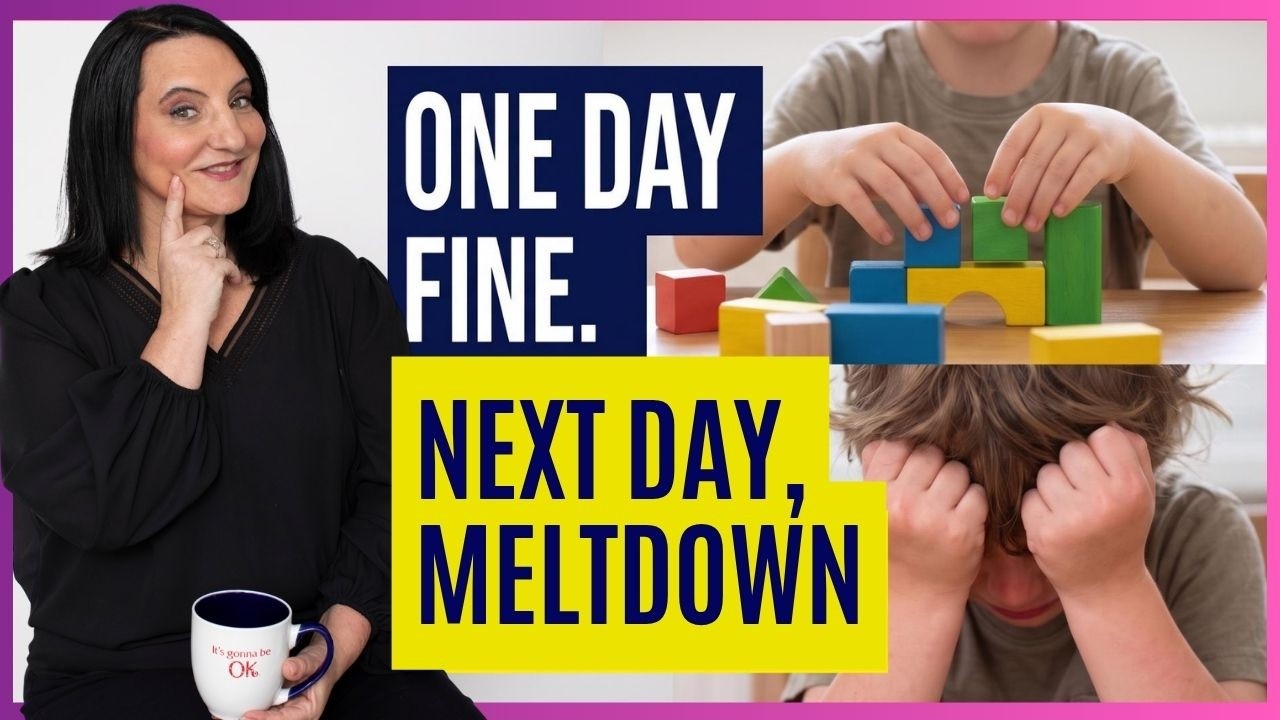
- Goes from calm to explosive in seconds
- Struggles with transitions
- Cannot tolerate frustration
- Seems constantly overwhelmed
These are often signs of nervous system dysregulation, not intentional misbehavior.
Why doesn't my child understand danger or consequences?
Young children naturally have immature frontal lobes.
The frontal lobe is responsible for:
- Judgment
- Planning
- Risk assessment
- Impulse control
- Cause-and-effect thinking
When dysregulation is added to the mix, those skills become even harder to access.
Factors that can increase dysregulation include:
- Trauma
- Chronic stress
- Neurodivergence
- Sleep deprivation
- Device overstimulation
- Sensory overload
- Family stress
What looks like a lack of remorse is often a brain that is too overwhelmed to process consequences.
Important Reminder
- It's not bad parenting.
- It's not a bad kid.
- It's a dysregulated brain.
You cannot correct what the nervous system cannot access.
That's why Regulation First Parenting® focuses on calming the brain before teaching skills.
What should happen when schools or police repeatedly get involved?
When a child has repeated behavioral incidents, the solution cannot be discipline alone.
Fifty police calls were not fifty discipline problems.
They were fifty missed opportunities for intervention.
Children showing signs of chronic dysregulation often need:
- Trauma screening
- Neurological evaluation
- Family support
- In-home services
- Regulation-based interventions
- Consistent routines
What Families Need Most
- Understanding
- Early intervention
- Brain-based support
- Collaboration between caregivers, schools, and providers
When we focus only on consequences, we miss the root cause.
When your child is dysregulated, it's easy to feel helpless.
The Regulation Rescue Kit gives you the scripts and strategies you need to stay grounded and in control.
Become a Dysregulation Insider VIP at www.drroseann.com/newsletter and get your free kit today.
How can I help my dysregulated child feel safer and calmer?
Children do not need more punishment when they are dysregulated.
They need safety.
One of the most effective regulation techniques for kids is co-regulation.
This means helping your child borrow your calm until they can find their own.
Try these strategies:
- Keep routines predictable.
- Reduce chaos and overstimulation.
- Limit excessive device use.
- Speak in a calm, steady voice.
- Slow your movements.
- Offer connection before correction.
Parent Scenario
Your child comes home from school and immediately explodes when asked to put away their backpack.
Instead of escalating:
- Lower your voice.
- Give them space to decompress.
- Focus on calming first.
Once the nervous system settles, cooperation becomes much easier.
What role does a nervous system reset play in behavior?
Many challenging behaviors improve when children receive the support needed for a nervous system reset for children.
When the nervous system feels safe:
- Impulse control improves.
- Emotional recovery becomes faster.
- Frustration tolerance increases.
- Problem-solving skills return.
- Relationships improve.
This doesn't happen overnight, but small, consistent changes create powerful results over time.
Supporting dysregulated kids means helping their brains move from survival mode into a state where learning and connection are possible.
🗣️ “Kids don’t need more punishment. They need calm, the right tools, and real understanding.” — Dr. Roseann
A Better Path Forward Starts with Seeing the Signs
This story didn't have to end in crisis.
And your family's story doesn't have to either.
When we recognize dysregulation early:
- We stop blaming behavior.
- We start supporting the brain.
- We reduce shame.
- We increase connection.
- We create opportunities for healing.
The earlier we support the nervous system, the easier it becomes for children to build emotional resilience and stronger self-control.
You are not alone.
With the right tools, support, and regulation techniques for kids, there is a path forward.

FAQs
When is it time to seek help?
If meltdowns are frequent, intense, last a long time, or your child struggles to calm down after stress, it's time to seek brain-based support.
Can things improve after years of chaos?
Yes. The nervous system is adaptable and capable of change. Consistent regulation support can create meaningful improvements over time.
How do I talk to the school or police respectfully?
Try saying:
"My child has nervous system dysregulation. We need support and intervention, not just consequences."
This helps shift the conversation toward solutions.
Are impulse control problems always a discipline issue?
No. Impulse control problems are often linked to nervous system dysregulation, immature executive functioning, ADHD, trauma, or chronic stress.
What are the best regulation techniques for kids?
Some of the most effective strategies include co-regulation, predictable routines, sensory supports, movement breaks, emotional coaching, and creating a safe, calm environment.
”Not sure where to start?Take the guesswork out of helping your child.Use our free Solution Matcher™ to get a personalized plan based on your child’s unique needs—whether it’s ADHD, anxiety, mood issues, or emotional dysregulation.In just a few minutes, you'll know exactly what support is right for your family.Start here: www.drroseann.com/help
Dr. Roseann Capanna-Hodge is a licensed therapist, certified school psychologist, and leading expert in emotional dysregulation in children. With over 30 years of experience, she helps parents understand the root causes of meltdowns, anxiety, ADHD, and challenging behavior through the lens of nervous system regulation. Dr. Roseann teaches practical, science-backed strategies for co-regulation and how to calm a dysregulated child using her Regulation First Parenting® approach. She is the host of the Dysregulated Kids Podcast and author of The Dysregulated Kid.
When behavior reaches crisis level, it rarely started at the crisis point; there are often nervous system signals long before things become extreme.
In The Dysregulated Kid®, I help parents look beneath symptoms and behavior to understand what the brain and nervous system are communicating. You’ll learn practical Regulation First Parenting® tools to regulate first, reduce unnecessary escalation, and build the calm, connection, and capacity your child needs for lasting change. Get The Dysregulated Kid® at dysregulatedkid.com.
Dr. Roseann Capanna-Hodge
Emotional Dysregulation in Children & Nervous System Expert
Regulation First Parenting® | CALMS Protocol™
Host of the Dysregulated Kids Podcast (Top 1% Globally)
Author of The Dysregulated Kid

Find this helpful? Leave us a review!
Your feedback helps more overwhelmed parents find calm, clarity, and the proven tools that make everyday life easier.
Dr. Roseann Capanna-Hodge: Helping Families of Dysregulated Kids Thrive Through Regulation First Parenting®
As the creator of Regulation First Parenting®, she’s helping families of dysregulated kids discover a compassionate, brain-based path forward. Through The Dysregulated Kids™ Podcast (top 2% globally), she offers practical strategies that help parents understand their child’s brain and support lasting change.
Through The Global Institute of Children’s Mental Health and Dr. Roseann, LLC, she’s created resources like the Neurotastic® Brain Formulas and the Regulation First Parenting® framework—meeting families where they are and supporting them through challenges like ADHD, anxiety, OCD, PANS/PANDAS, and behavioral struggles.
Recognized by Forbes as “a thought leader in children’s mental health,” Dr. Roseann is changing how we understand emotional dysregulation in children—one family at a time.