Your Weekly Resource Hub



After every meltdown, Maria followed what she believed was the “right” parenting step.She would say: “You need to apologize right now.”But instead of resolving the situation, it often made things worse.Her son would cross his arms, refuse, or say “I don’t care”
Arguments would restart even after the meltdown ended
Sometimes he would shut down completely and avoid eye contact
Maria felt stuck between wanting accountability and constant conflict
What was meant to be a moment of learning turned into another cycle of stress.
Maria’s son was still dysregulated after the meltdown.
Even though the behavior had stopped, his brain had not fully returned to a state where he could reflect or take responsibility.
Being asked to apologize felt like pressure.
That pressure triggered more defensiveness or shutdown.
From the outside, it looked like refusal.
But his nervous system was still trying to settle.
Maria shifted her approach after learning about regulation and repair.
Instead of asking for an apology right away, she focused on calming first.
She began saying…
“That was a big moment. Let’s take a breath and reset.”
“We can talk about it later.”
She also:
Within a short time, the dynamic began to shift.
One evening, after a difficult moment earlier in the day, her son came to her and said:
“I didn’t mean to yell. I was just really mad.”
That moment had never happened before.
When the brain feels safe, accountability follows.
.png)

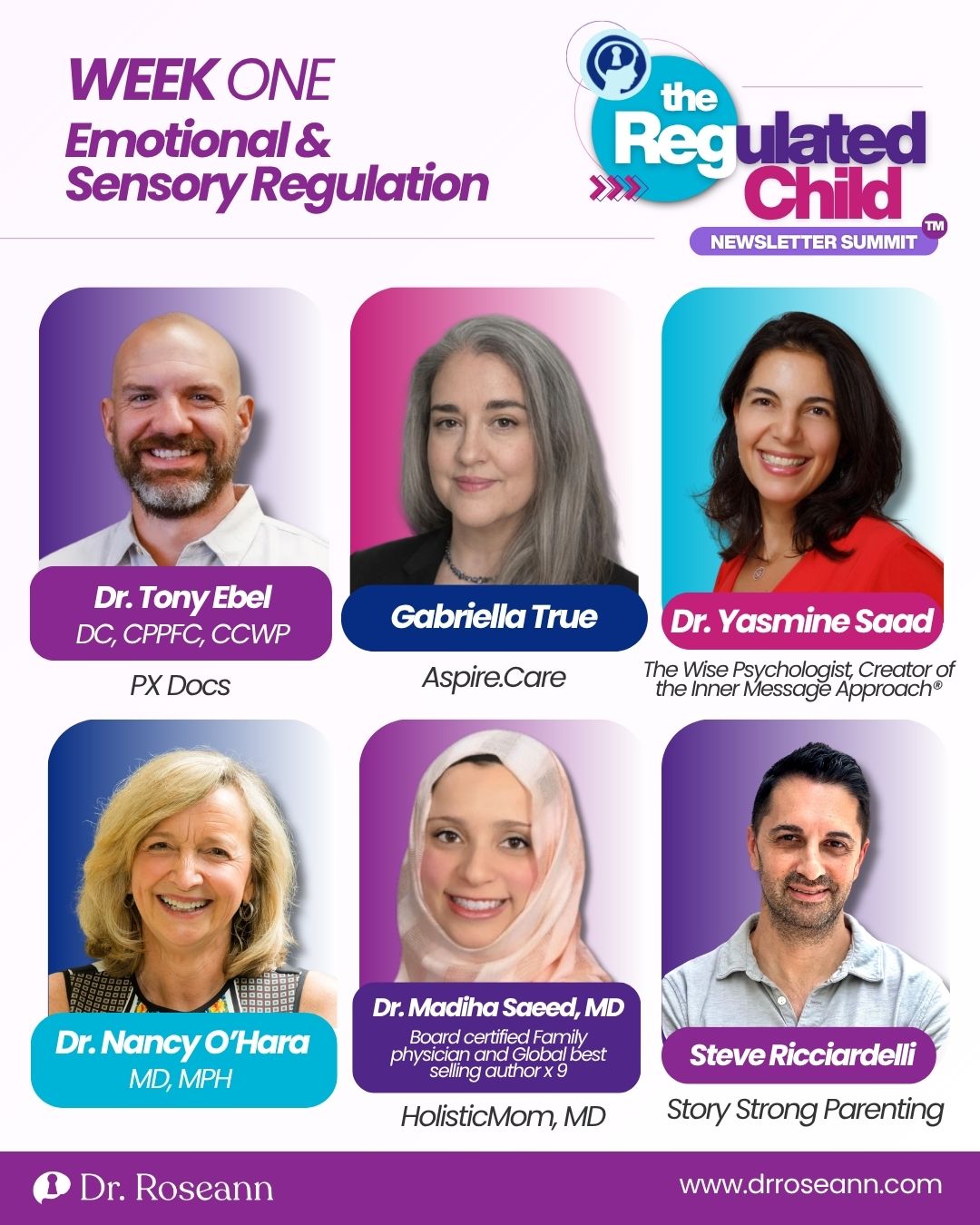
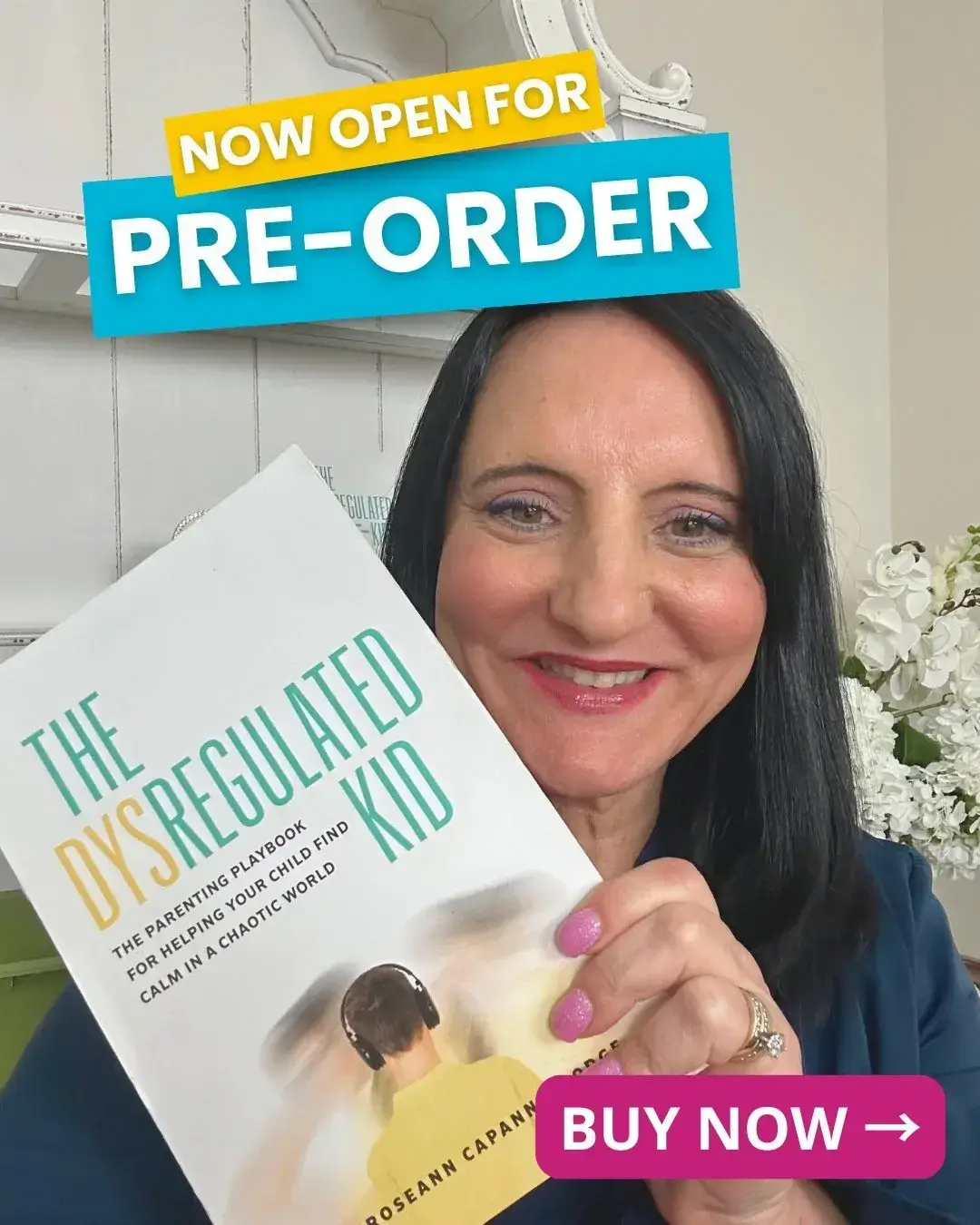
Explore Dr. Roseann’s upcoming events and join her for practical, science-backed guidance on calming the nervous system and supporting kids more effectively. Each event is designed to give you simple, actionable tools you can use right away—so kids can regulate, connect, and thrive.